Monsoon Season: A Vital Yet Challenging Time for India
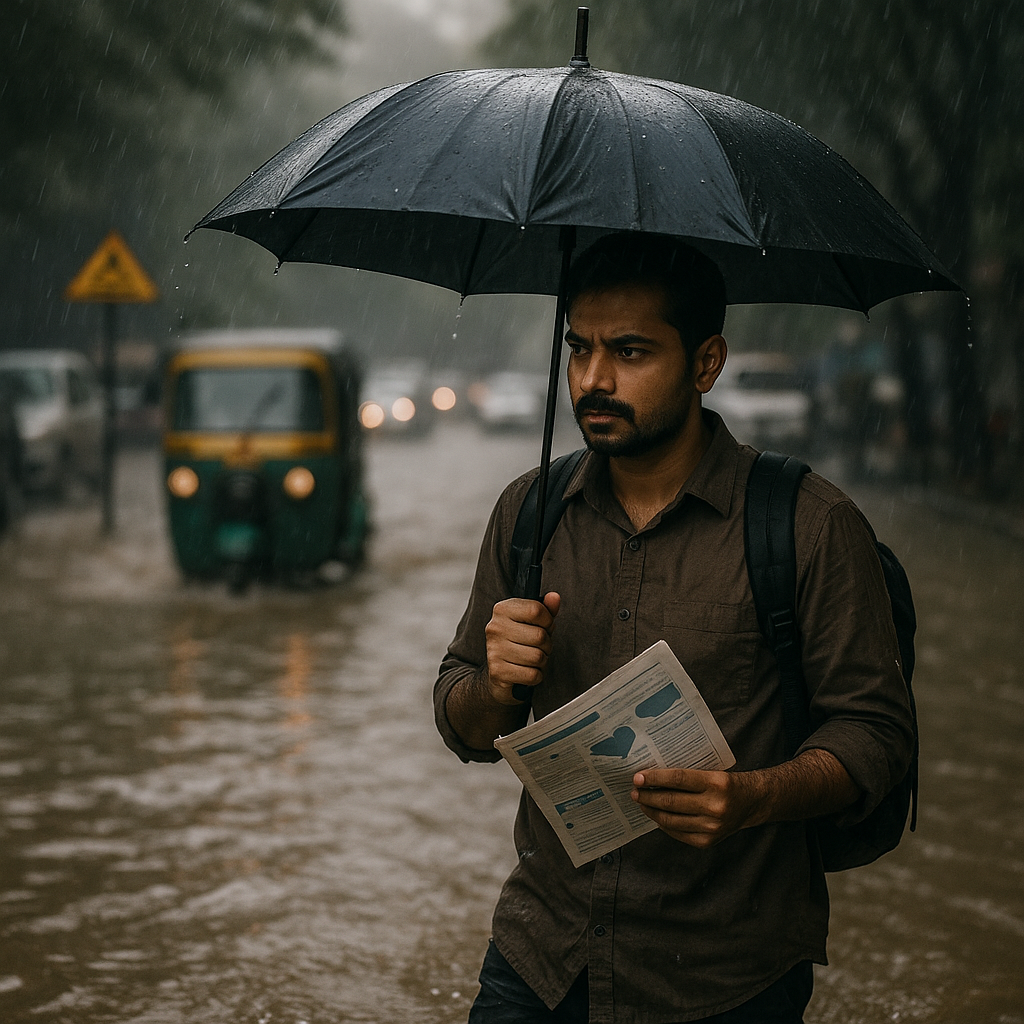
The monsoon season in India is a period of both anticipation and concern. While it brings much-needed rainfall to support agriculture and water resources, it also poses significant challenges, especially in flood-prone areas. Understanding how the monsoon impacts various regions and knowing how to prepare can make a substantial difference in safety and resilience.
Background: The Monsoon Phenomenon
The Indian monsoon is a complex weather pattern that affects the entire subcontinent. It typically arrives in June and retreats by September, bringing about 70% of the country's annual rainfall. This seasonal change is crucial for agriculture, as it replenishes water resources and supports the growth of crops. However, the monsoon's intensity and distribution can vary significantly, causing both droughts and floods.
Regional Impacts of the Monsoon
India's monsoon season affects different regions in distinct ways. The Indian Meteorological Department (IMD) has recently issued alerts for several states as the monsoon advances. Central and southern India are currently experiencing heavy rainfall, which can lead to flooding and disrupt daily life. The low-pressure system over the Bay of Bengal is expected to bring more rain, particularly to eastern states. These weather patterns can result in significant challenges for infrastructure, agriculture, and daily activities.
What Has Changed: Current Monsoon Patterns
Recent reports indicate an active monsoon phase, with heavy rains affecting central and southern regions. According to The New Indian Express, these conditions have prompted the IMD to issue warnings for potential flooding in several areas.
Why It Matters: Economic Implications of El Niño
El Niño is a climate pattern that can significantly impact India's monsoon. According to The Hindu, El Niño could lead to a 65% monsoon deficit, affecting agriculture and potentially harming the economy. This deficit can result in reduced crop yields, increased food prices, and economic stress, particularly in rural areas reliant on agriculture.
Safety Tips for Flood-Prone Areas
- Stay Informed: Regularly check weather updates from reliable sources like the IMD.
- Prepare Emergency Kits: Include essentials such as food, water, medications, and important documents.
- Secure Your Home: Elevate electrical appliances and seal windows and doors to prevent water entry.
- Plan Evacuation Routes: Know the safest paths to higher ground or shelters.
- Community Engagement: Participate in local disaster preparedness programs and drills.
Government Resources and Support
The Indian government provides various resources to help residents during the monsoon season. The IMD offers timely alerts, and state governments often have disaster management plans in place. Residents should familiarize themselves with local resources, including emergency contact numbers and shelter locations. These resources are crucial for ensuring timely assistance and support during emergencies.
Environmental and Agricultural Considerations
Monsoon rains are crucial for agriculture, replenishing groundwater and supporting crop growth. However, excessive rainfall can lead to soil erosion and crop damage. Farmers are advised to use sustainable practices to mitigate these risks, such as contour plowing and planting cover crops. These practices help maintain soil integrity and improve water retention, reducing the adverse effects of heavy rains.
Urban Challenges During Monsoon
Urban areas face unique challenges during the monsoon, including waterlogging and traffic disruptions. Cities must invest in infrastructure improvements, such as better drainage systems, to cope with heavy rains. Residents should plan for potential delays and avoid traveling through flooded areas. Urban planning and community awareness are essential to minimize disruptions and ensure safety.
Limitations and Uncertainties
While the monsoon is advancing across India, specific states under alert have not been detailed in the sources. Additionally, the full economic impact of El Niño remains uncertain. Residents should stay updated with official announcements and prepare accordingly. Understanding these limitations can help individuals and communities make informed decisions and adapt to changing conditions.
What Readers Should Watch Next
Residents in monsoon-affected areas should prioritize safety by staying informed and prepared. Utilize government resources, engage with community programs, and adopt sustainable practices to minimize risks and enhance resilience during this critical season. Monitoring weather updates and participating in community initiatives can significantly improve preparedness and response efforts.
Sources and Method
This analysis is based on reports from NDTV, The Hindu, The New Indian Express, The Indian Express, and outlookbusiness.com.
Why this matters
For readers following Understanding Monsoon Impacts Across India: Safety Tips and Resources, the useful takeaway is not just the headline. The important part is understanding what the available report confirms, what it leaves open, and why later updates may change the picture.
This article keeps the wording cautious because the source material is the factual boundary. The added context is meant to help readers understand the development without turning early information into unsupported claims.
Comments
Post a Comment