Bengaluru Weather: What Recent Data Shows About the City’s Changing Climate
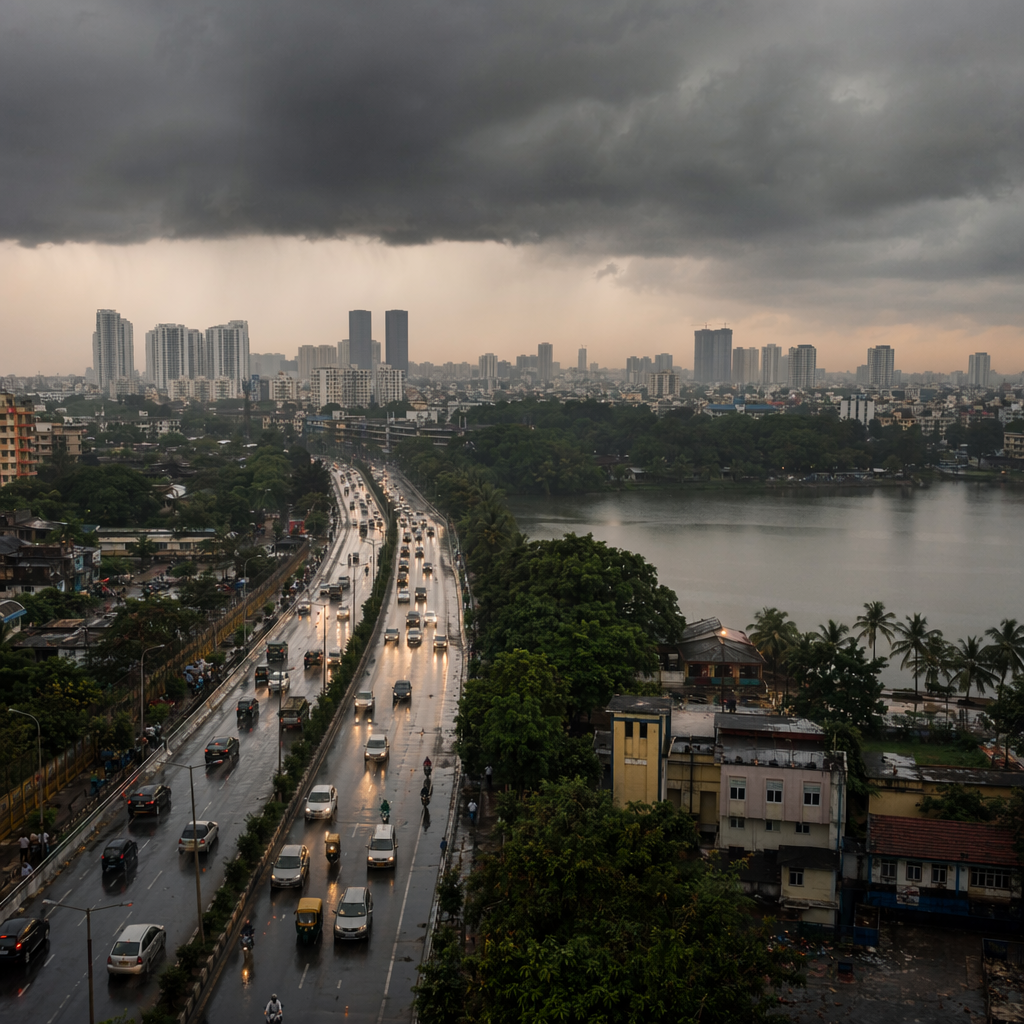
Bengaluru recorded an unusually hot pre-monsoon period in 2024, crossed 38°C in April, and then reported heavy rainfall spells that contributed to flooding in several neighbourhoods during the southwest monsoon. The sequence reflected a broader pattern seen across India in recent years: sharper heat episodes, intense short-duration rainfall and growing pressure on urban drainage systems.
As of 2026, Bengaluru’s weather remains shaped by its elevation, seasonal monsoon circulation and rapid urban development. The city, located at about 900 metres above sea level on the Deccan Plateau, has historically been known for moderate temperatures compared with many other large Indian cities. However, official weather observations, government advisories and recent public reports show that Bengaluru has faced more frequent weather disruption in the 2024–2026 period.
This article summarises the current weather profile of Bengaluru using recent data from government and publicly available sources, including the India Meteorological Department (IMD), Karnataka State Natural Disaster Monitoring Centre (KSNDMC), Bruhat Bengaluru Mahanagara Palike (BBMP), Reuters and other public datasets.
Where Bengaluru’s Weather Comes From
Bengaluru’s climate is generally classified as tropical savanna with distinct wet and dry seasons. The city receives rainfall from both the southwest monsoon, mainly between June and September, and the northeast monsoon, mainly between October and December. Pre-monsoon thunderstorms are also common between March and May.
The city’s relatively high elevation has traditionally kept maximum temperatures lower than those in Hyderabad, Chennai or parts of northern Karnataka. Even so, Bengaluru has experienced sharper heat during late March, April and May in recent years. IMD data and state-level monitoring reports show that dry spells, delayed rainfall and strong solar heating can raise daytime temperatures rapidly during this period.
Rainfall in Bengaluru is not uniform. Northern, eastern and southern parts of the city can receive very different rainfall totals on the same day, especially during convective thunderstorms. KSNDMC’s ward-level and station-level rainfall monitoring has often shown high spatial variation during intense rain events.
Key Weather Statistics for Bengaluru and Karnataka, 2024–2026
Recent weather reporting on Bengaluru cannot be separated from the wider climate context in Karnataka and southern India. The following figures are drawn from government and publicly available reports for the 2024–2026 period.
- April 2024: Bengaluru recorded maximum temperatures above 38°C during a severe pre-monsoon heat spell, according to IMD observations cited in public weather bulletins.
- 2024: Karnataka reported drought conditions in hundreds of taluks during the 2023–24 agricultural season, with state government memoranda to the Union government seeking drought relief after rainfall deficits affected reservoirs and crops.
- June–September 2024: IMD reported active southwest monsoon phases over south interior Karnataka, including Bengaluru Urban, with several heavy-rainfall alerts issued during the season.
- October 2024: Bengaluru experienced intense rainfall episodes associated with the post-monsoon period, with BBMP and state agencies reporting waterlogging and traffic disruption in several low-lying areas.
- 2025: IMD’s seasonal outlook for India indicated continued monitoring of heatwave risk and monsoon variability, both relevant to Bengaluru’s summer and rainy-season planning.
- As of 2026: Bengaluru remains covered by IMD’s district-level weather warning system and KSNDMC’s real-time rainfall monitoring network, which are used for public advisories, flood monitoring and disaster response.
Temperature Pattern: Mild by Indian Standards, but Hotter Summers Are Being Reported
Bengaluru’s annual temperature cycle typically peaks in April, before widespread monsoon rainfall begins. Daytime maximum temperatures in the city are usually lower than those in many inland Indian cities, but recent heat events have drawn attention because they exceed Bengaluru’s long-term public image as a consistently cool city.
In April 2024, Bengaluru’s maximum temperature crossed 38°C, according to IMD-linked observations reported by Indian public weather trackers and media organisations. This was significant for a city where April maximums are commonly several degrees lower in normal years. The heat coincided with dry conditions across parts of Karnataka and increased demand for water and power.
Reuters reported in 2024 that large parts of India were affected by intense heat, with IMD issuing heatwave warnings in multiple regions. While Bengaluru is not normally categorised with the most severe heatwave zones of north and central India, its built-up areas can experience stronger heat stress due to the urban heat island effect, reduced tree cover in some neighbourhoods and high traffic density.
Night-time temperatures are also important. Warmer nights reduce recovery from daytime heat. IMD climate summaries for Indian cities have increasingly highlighted minimum temperatures during warm periods, because public health impacts are linked not only to afternoon highs but also to overnight cooling.
Rainfall: Two Monsoons and Highly Localised Storms
Bengaluru’s rainfall comes in phases. Pre-monsoon thunderstorms in April and May can bring sudden downpours, lightning and gusty winds. The southwest monsoon then brings more regular rainfall between June and September. The northeast monsoon, from October to December, can also produce heavy showers, particularly when weather systems form over the Bay of Bengal and move inland.
IMD district forecasts for Bengaluru Urban and Bengaluru Rural regularly classify rainfall using categories such as light, moderate, heavy and very heavy rainfall. These alerts are operationally important because even short bursts of intense rain can flood underpasses, low-lying roads and stormwater-drain corridors.
In 2024, Bengaluru saw multiple heavy rain events during and after the southwest monsoon period. BBMP issued civic advisories for waterlogging-prone zones, while traffic police updates showed diversions and slow movement after intense rain. KSNDMC’s rainfall dashboards have shown that some monitoring stations in the metropolitan area can record high daily totals while nearby stations receive much less rain.
This localised pattern is typical of convective rainfall. A thunderstorm cell over Whitefield, Yelahanka, Rajarajeshwari Nagar or Electronic City can produce heavy rain in that zone without the same intensity across the entire city. For residents, this means a citywide forecast may not always match conditions in a specific neighbourhood.
Water Stress and Rainfall Deficits
Bengaluru’s weather is closely linked to water supply. The city depends heavily on water from the Cauvery river system, groundwater and local storage. Periods of weak rainfall affect reservoir levels, borewells and tanker-water demand.
During the 2023–24 drought period, the Karnataka government declared drought conditions across a large number of taluks after deficient rainfall affected agriculture and water availability. Government memoranda and public releases stated that the state sought central assistance for drought relief. Bengaluru, although primarily urban, was affected through groundwater stress and increased dependence on tanker supply in several peripheral areas.
In March 2024, Reuters reported on Bengaluru’s water shortage, noting that India’s technology hub was facing restrictions and supply concerns after weak rainfall and falling groundwater levels. The report cited official and resident accounts of borewells drying up and higher demand for private tankers. The Karnataka government and Bengaluru water authorities subsequently announced measures including control of non-essential water use and steps to improve supply management.
Weather is not the only cause of water stress. Urban growth, groundwater extraction, lake encroachment, distribution losses and demand from a large population also matter. But rainfall variability directly affects recharge and reservoir storage, making monsoon performance a key factor for Bengaluru every year.
Flooding: Heavy Rain Meets Urban Drainage Pressure
Bengaluru’s flooding problem is linked to both weather intensity and land-use change. The city has many historic lakes and stormwater drains, locally known as rajakaluves. When intense rain falls over built-up areas, runoff can rise quickly if drains are blocked, narrowed or overloaded.
Heavy rainfall events in 2022 had already shown the vulnerability of parts of the city, including technology corridors and low-lying residential layouts. In the 2024 monsoon and post-monsoon periods, similar concerns returned as heavy showers caused waterlogging and traffic disruption in several locations. BBMP has repeatedly identified flood-prone points and announced desilting, drain-remodelling and control-room measures during the rainy season.
As of 2026, Bengaluru’s flood preparedness relies on short-range forecasts, rain-gauge data, emergency teams and civic response systems. IMD warnings provide district-level guidance, while KSNDMC’s monitoring network helps track rainfall intensity. BBMP control rooms and traffic police advisories are used to respond to immediate disruptions.
The main weather risk is not only seasonal rainfall total but rainfall intensity over a short period. A single high-intensity storm can overwhelm local infrastructure even in a year when total rainfall is not exceptional.
Air Quality and Weather Interaction
Weather also affects Bengaluru’s air quality. Wind speed, rainfall and atmospheric stability influence the concentration of particulate matter. Rain can temporarily reduce dust and pollutants, while calm conditions can allow pollutants to accumulate near the surface.
Central Pollution Control Board and Karnataka State Pollution Control Board monitoring stations publish air-quality data for Bengaluru. During dry months, road dust, construction activity, traffic emissions and open burning can contribute to higher particulate levels. During the monsoon, rainfall often improves short-term air quality, although traffic corridors can still record local pollution hotspots.
Temperature inversions are less persistent in Bengaluru than in some northern Indian cities during winter, but localised pollution episodes still occur. Weather conditions therefore remain important for interpreting daily air-quality readings.
How IMD Classifies Bengaluru Weather Alerts
IMD issues colour-coded weather warnings for Indian districts, including Bengaluru Urban and Bengaluru Rural. These warnings are used by state and city authorities to prepare for rainfall, thunderstorms, lightning and strong winds.
Green generally means no warning. Yellow means authorities and residents should be aware of possible weather impact. Orange means preparedness is needed for more serious conditions. Red is used for the most severe warnings requiring action. Bengaluru more commonly sees yellow and orange alerts during heavy rainfall, thunderstorm or strong-wind episodes.
For the public, the most relevant operational information includes expected rainfall intensity, thunderstorm timing, wind warnings and advisories for low-lying areas. IMD nowcasts, which cover short periods, are particularly useful for fast-developing thunderstorms.
Season-by-Season Weather Guide for Bengaluru
January to February: These are among the cooler months. Mornings can be cool, especially in open areas and outer neighbourhoods. Rainfall is usually low, though isolated showers can occur.
March to May: This is the warmest period. April often records the highest daytime temperatures. Pre-monsoon thunderstorms may bring temporary relief but can also produce lightning, falling branches and local flooding.
June to September: The southwest monsoon brings regular rainfall, cloudy days and lower daytime temperatures. Rain intensity varies widely by location. Waterlogging can occur after heavy spells.
October to December: The northeast monsoon and post-monsoon weather systems can bring heavy rain. October and November are important months for late-season rainfall, lake inflows and groundwater recharge.
What Makes 2024–2026 Important for Bengaluru Weather
The 2024–2026 period is important because it includes both water stress and heavy rain impacts. In 2024, Bengaluru faced a widely reported water shortage after deficient rainfall and groundwater decline, followed by heavy rainfall episodes later in the year. This combination illustrates the challenge of managing both scarcity and excess within the same broad climate cycle.
Government agencies have responded with monitoring systems, advisories and infrastructure work. IMD continues to issue district-level forecasts and warnings. KSNDMC provides rainfall and disaster-monitoring data. BBMP conducts drain works, identifies vulnerable points and issues civic updates during rain events. Reuters and other news organisations have documented the city’s water shortage and the effect of extreme weather on residents and businesses.
As of 2026, Bengaluru’s weather profile is best understood through data rather than reputation. The city still has a more moderate climate than many Indian metros because of its elevation, but recent years show clear operational risks: hotter pre-monsoon days, short-duration intense rainfall, water stress after weak monsoons and flooding during heavy spells.
For residents, businesses and public agencies, the most reliable approach is to track official forecasts, ward-level rainfall updates, reservoir information and civic advisories. Bengaluru’s weather is not defined by a single season. It is shaped by the movement between heat, rainfall, water availability and urban infrastructure throughout the year.
Sources: Reuters, Government releases, publicly available data.
Comments
Post a Comment