IMD's 2026 Monsoon Alerts: A Comprehensive Guide
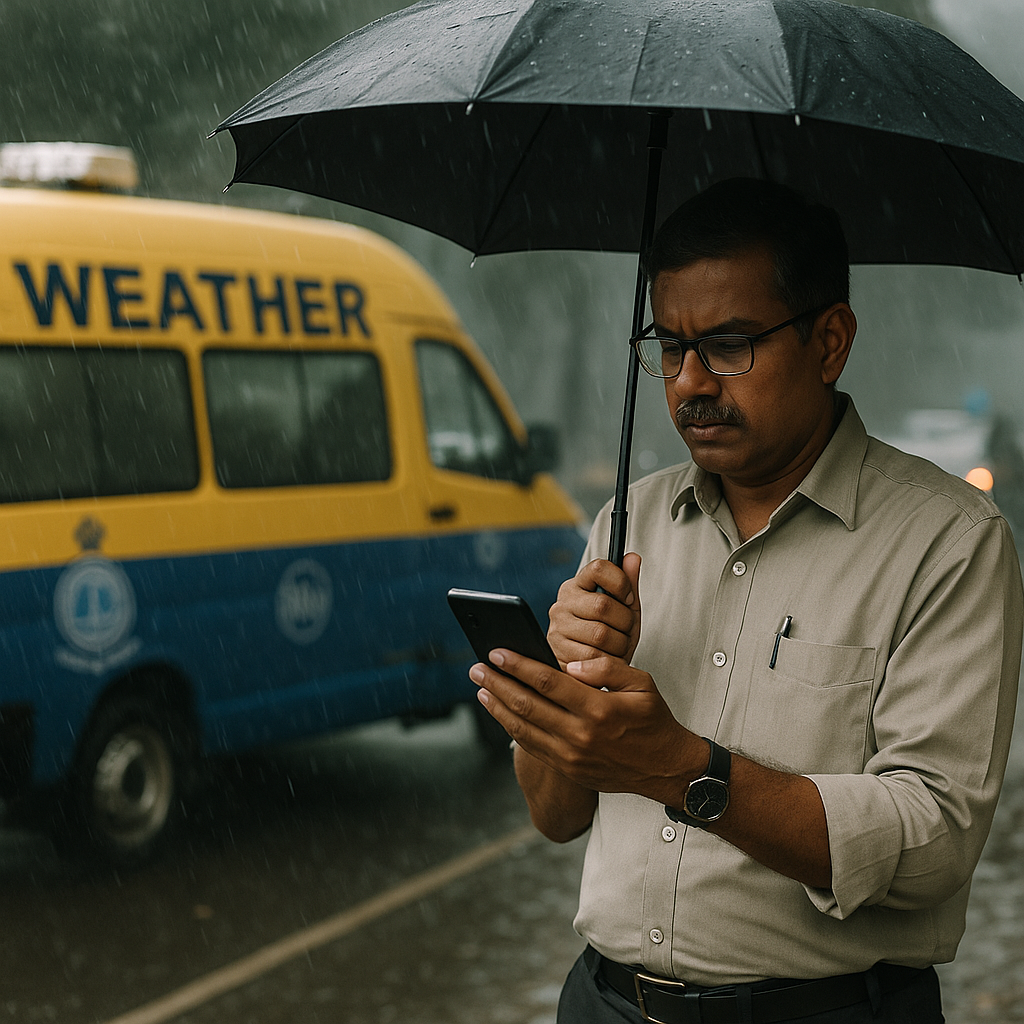
The India Meteorological Department (IMD) has issued a critical weather alert for 2026, warning of heavy rains and strong winds across 13 states in India. With wind gusts potentially reaching up to 70 kmph, the alert underscores the need for residents and travelers to prepare for possible disruptions. This article delves into the details of the alert, its implications, and how individuals can prepare.
Background on Monsoon Season in India
The monsoon season in India is a significant climatic event that typically spans from June to September. During this period, the country receives about 75% of its annual rainfall. The monsoon is crucial for agriculture, replenishing water reservoirs, and sustaining the ecosystem. However, it also brings challenges such as flooding, landslides, and infrastructure damage, which can have severe impacts on daily life and economic activities.
Changes in IMD's Alert System for 2026
In 2026, the IMD has enhanced its alert system to provide more timely and accurate warnings. The recent alert, issued within eight hours of detecting severe weather patterns, highlights the department's commitment to improving predictive capabilities. This advancement aims to mitigate risks and ensure public safety by allowing more time for preparation and response.
Why the Alert Matters
The IMD's alert is particularly significant as it coincides with the peak of the monsoon season. Heavy rains and strong winds can lead to severe weather conditions, including thunderstorms and flash floods. The alert serves as a reminder of the importance of preparedness and vigilance during this period, especially in regions that are historically more vulnerable to such weather events.
States Under Alert
While the specific names of the 13 affected states are not detailed in the source pack, it is evident that a substantial portion of India is at risk. Typically, regions like Bihar, West Bengal, and the northeastern states are more susceptible to heavy rainfall during this period. Residents in these areas should be especially cautious and stay informed about local weather updates.
Potential Impacts of the Monsoon
- Flooding: Heavy rains can lead to urban and rural flooding, disrupting transportation and damaging infrastructure.
- Wind Damage: Gusts up to 70 kmph can uproot trees, damage buildings, and pose safety risks.
- Agricultural Effects: While rain is beneficial for crops, excessive rainfall can harm certain agricultural activities, potentially leading to crop loss and economic strain for farmers.
How to Prepare for the Monsoon
Residents and travelers in affected areas should take proactive steps to mitigate the impacts of severe weather:
- Stay Informed: Regularly check weather updates from reliable sources like the IMD and local news outlets.
- Secure Property: Ensure that outdoor items are secured and windows are reinforced against strong winds to prevent damage.
- Emergency Kits: Prepare emergency kits with essentials like water, food, and first-aid supplies to sustain during potential disruptions.
- Travel Plans: Consider altering travel plans to avoid areas forecasted to experience severe weather, and be aware of evacuation routes if necessary.
Limitations of Current Alerts
Despite the alert, there are gaps in the available information. The specific names of the states affected, the expected duration of the severe weather, and detailed local impacts are not provided. This lack of detail makes it challenging for residents to fully assess their risk and prepare accordingly. It is crucial for individuals to stay updated with ongoing weather reports and advisories.
What Readers Should Watch Next
As the monsoon season progresses, readers should stay updated with IMD's forecasts and alerts. Monitoring local news and weather reports can provide more specific information about affected areas and potential impacts. Additionally, understanding the signs of severe weather and knowing evacuation routes can enhance safety.
Sources and Method
The information in this article is based on multiple sources, including Moneycontrol and The Times of India.
Takeaway for Readers
Given the IMD's alert, it's essential for residents and travelers in India to remain vigilant and prepared. Understanding the potential impacts and taking proactive measures can help mitigate risks and ensure safety during the monsoon season.
Additional source links:
Why this matters
For readers following Understanding IMD's 2026 Monsoon Alerts: Preparing for Weather Impacts in India, the useful takeaway is not just the headline. The important part is understanding what the available report confirms, what it leaves open, and why later updates may change the picture.
This article keeps the wording cautious because the source material is the factual boundary. The added context is meant to help readers understand the development without turning early information into unsupported claims.
Comments
Post a Comment