Introduction to the Ayushman Bharat Scheme
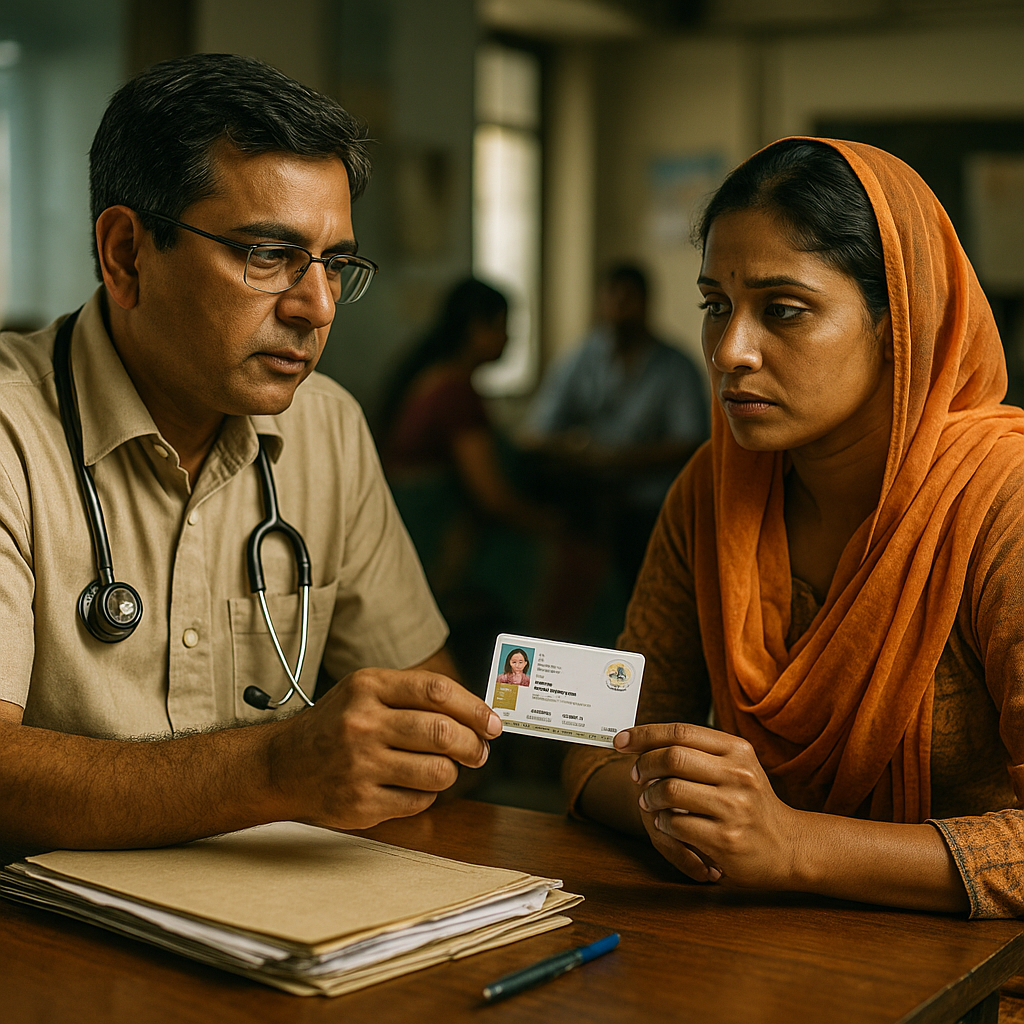
The Ayushman Bharat scheme, officially known as the Pradhan Mantri Jan Arogya Yojana (PM-JAY), is a transformative healthcare initiative by the Indian government. Launched in 2018, it aims to provide health coverage to economically vulnerable sections of society, ensuring access to essential medical services without financial burden. Recently, West Bengal became the 36th state/UT to implement this scheme, marking a significant expansion in healthcare accessibility across India.
Background and Objectives
The Ayushman Bharat scheme is part of a broader effort to achieve Universal Health Coverage in India. It targets the bottom 40% of the Indian population, which is often the most economically disadvantaged. The scheme's primary objective is to reduce the financial burden on families in need of medical care, thereby preventing them from falling into poverty due to healthcare expenses. This initiative is crucial in a country where healthcare costs can be a significant barrier to accessing necessary medical services.
Benefits of the Ayushman Card
The Ayushman Card offers several benefits to eligible individuals, making it a vital tool for healthcare access:
- Financial Coverage: The scheme provides coverage up to Rs 5 lakh per family per year for secondary and tertiary care hospitalization, significantly reducing out-of-pocket expenses.
- Wide Network: Beneficiaries can access services at empaneled public and private hospitals across India, ensuring a broad range of healthcare options.
- Cashless Transactions: The card facilitates cashless treatment, eliminating the need for upfront payments during hospitalization.
- Comprehensive Care: The coverage includes a wide range of medical treatments and procedures, ensuring comprehensive healthcare support.
Eligibility Criteria
To qualify for the Ayushman Card, individuals must meet specific criteria based on socio-economic status. The eligibility is primarily determined through the Socio-Economic Caste Census (SECC) data. Key criteria include:
- Families identified as deprived under the SECC.
- Households without an adult member aged between 16 and 59.
- Families with disabled members.
- Scheduled Caste/Scheduled Tribe households.
How to Apply for the Ayushman Card
Applying for the Ayushman Card is straightforward and can be done online. Here’s a step-by-step guide:
- Check Eligibility: Visit the official PM-JAY website and use the eligibility checker by entering your details.
- Locate Nearest CSC: Find the nearest Common Service Center (CSC) for assistance with the application process.
- Submit Required Documents: Provide necessary documents such as Aadhaar card, SECC details, and income certificate.
- Receive Ayushman Card: Once verified, you will receive your Ayushman Card, allowing you to access healthcare services under the scheme.
Recent Developments in West Bengal
West Bengal's recent implementation of the Ayushman Bharat scheme is a significant milestone, enhancing healthcare access for its residents. This rollout is expected to benefit millions, offering them financial protection and improved healthcare services. The inclusion of West Bengal marks a crucial step towards nationwide coverage, reflecting the government's commitment to healthcare for all. According to PIB, this expansion is a testament to the scheme's growing reach.
Potential Increase in Coverage
A parliamentary panel has recommended increasing the coverage limit from Rs 5 lakh to Rs 10 lakh per family. If implemented, this change could significantly enhance the scheme's impact, providing greater financial security to beneficiaries. This proposal is under consideration and reflects an acknowledgment of rising healthcare costs and the need for more robust financial protection. As reported by The Times of India, this potential increase is a response to the evolving healthcare landscape in India.
Why It Matters
The Ayushman Bharat scheme is pivotal in addressing healthcare inequities in India. By providing substantial financial coverage, it reduces the risk of catastrophic health expenditures that can impoverish families. The scheme's expansion and potential increase in coverage are crucial for improving healthcare outcomes and ensuring that more citizens can access necessary medical services without financial distress. This initiative is especially important in rural and underserved areas where healthcare access is limited.
Limitations and Challenges
Despite its benefits, the Ayushman Bharat scheme faces challenges. These include ensuring the quality of care in empaneled hospitals, preventing fraud, and managing the scheme's financial sustainability. Additionally, the actual implementation and accessibility of services can vary across regions, affecting the scheme's effectiveness. Ongoing monitoring and evaluation are essential to address these challenges and improve the scheme's impact.
What Readers Should Watch Next
Readers should stay informed about potential changes in the scheme, such as the proposed increase in coverage limits. Monitoring announcements from the government and updates on the scheme's implementation in various states can provide insights into how these changes might affect beneficiaries. Additionally, understanding the scheme's limitations can help individuals make informed decisions about their healthcare options.
Sources and Method
The information in this article is sourced from credible publications, including PIB and The Times of India. These sources provide verified information on the Ayushman Bharat scheme and its recent developments.
Additional source links:
Comments
Post a Comment