Introduction to the Indus Waters Treaty
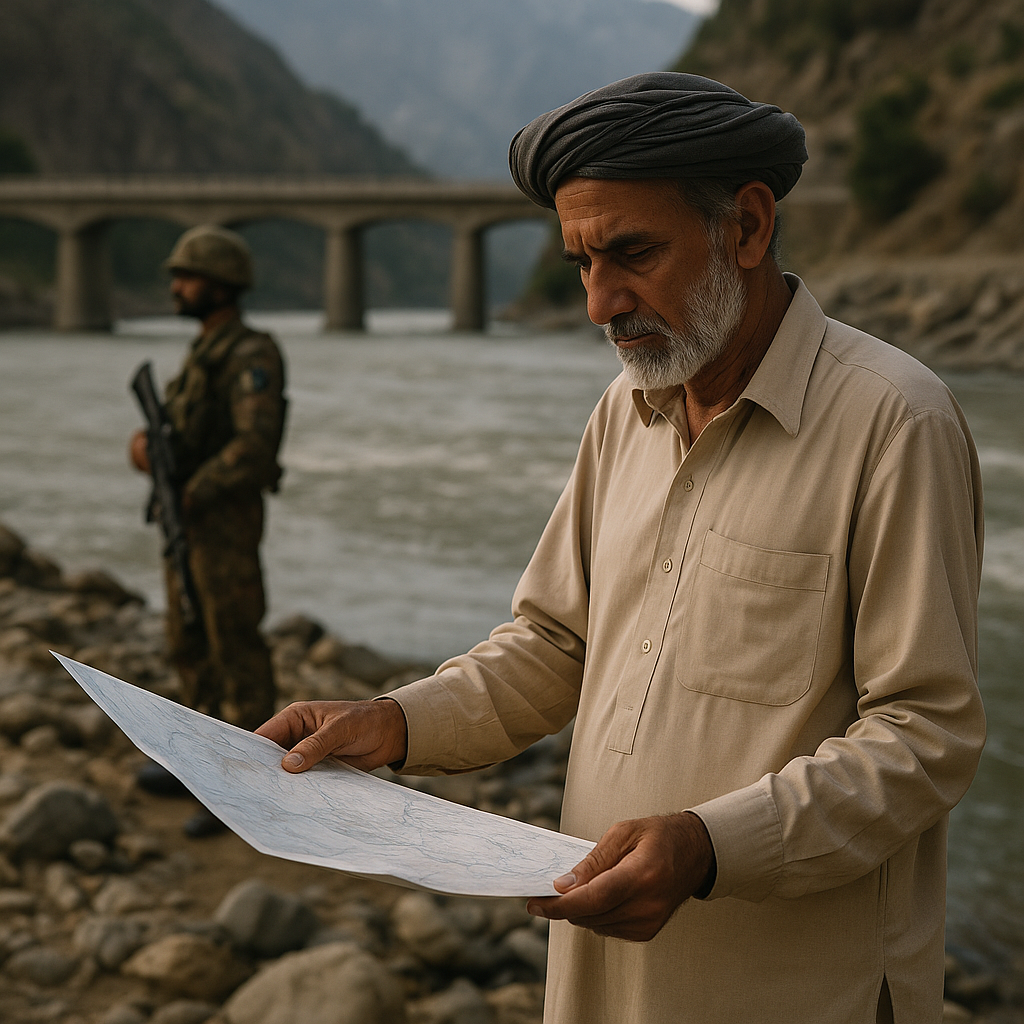
The Indus Waters Treaty, signed in 1960, is a pivotal agreement between India and Pakistan, brokered by the World Bank. It was established to manage the water resources of the Indus River system, which is vital for both countries. The treaty is often cited as one of the most successful international agreements, providing a framework for cooperation despite ongoing political tensions.
Historical Background of the Treaty
In the years following the partition of British India in 1947, water-sharing disputes emerged between the newly formed nations of India and Pakistan. The Indus River and its tributaries, which flow through both countries, became a significant point of contention. The World Bank facilitated negotiations, leading to the signing of the Indus Waters Treaty in 1960. The treaty allocated the western rivers—Indus, Jhelum, and Chenab—to Pakistan, while India received the eastern rivers—Ravi, Beas, and Sutlej.
Significance of the Treaty
The treaty has played a crucial role in maintaining peace between India and Pakistan, even during periods of heightened tensions. It has been a testament to the possibility of cooperation over shared resources, reflecting the importance of water in geopolitical relations. The agreement has withstood several conflicts, including wars between the two nations, underscoring its resilience and the critical nature of water security.
Current Challenges Facing the Treaty
Despite its historical success, the Indus Waters Treaty is currently facing significant challenges. Recent geopolitical tensions have brought the treaty under scrutiny. India has cited cross-border terrorism as a reason for its abeyance, while Pakistan has issued strong rhetoric regarding the treaty, with threats of potential conflict if water distribution is threatened. These tensions highlight the fragility of international agreements in the face of political and security concerns.
India’s Concerns and Diplomatic Stance
India has criticized Pakistan for its alleged terror links, referring to it as a 'Frankenstein'. This metaphor underscores the perceived threat that terrorism poses to regional stability and the treaty itself. India’s stance is influenced by its broader geopolitical strategy and concerns over national security. The Indian government has emphasized the need for Pakistan to address these concerns to maintain the treaty's viability.
Pakistan’s Response and Threats
In response to India’s criticisms, Pakistan has issued threats regarding the treaty. Statements from Pakistan’s defense minister suggest potential conflict if water distribution is jeopardized. Such rhetoric highlights the treaty’s vulnerability to political dynamics and the need for robust diplomatic engagement. Pakistan views the treaty as a critical component of its water security and has called for adherence to its provisions.
Implications for Water Distribution
While the treaty remains in abeyance, specific details on how this affects water distribution are not clear. The lack of transparency in diplomatic discussions further complicates understanding the treaty’s current status and future prospects. Both nations rely heavily on the Indus River system for agriculture and drinking water, making any disruption potentially devastating.
What is Still Unclear
Several aspects of the treaty's current status remain uncertain. The exact impact of the abeyance on water distribution and the long-term implications for both countries are not fully understood. Additionally, the potential for international mediation to resolve these disputes is unclear, given the complex geopolitical context.
Reader Takeaway
- The Indus Waters Treaty is crucial for regional stability, but geopolitical tensions threaten its effectiveness.
- India and Pakistan’s diplomatic relations are pivotal in determining the treaty’s future.
- Cross-border terrorism and political rhetoric are significant factors influencing the treaty’s status.
- Details on current water distribution and diplomatic negotiations remain unclear.
Sources and Method
This analysis is based on information from reputable sources, including India Today and The Times of India. These sources provide insights into the treaty’s current status and the geopolitical tensions affecting it.
Additional source links:
Why this matters
For readers following The Indus Waters Treaty: Historical Context and Modern-Day Challenges, the useful takeaway is not just the headline. The important part is understanding what the available report confirms, what it leaves open, and why later updates may change the picture.
This article keeps the wording cautious because the source material is the factual boundary. The added context is meant to help readers understand the development without turning early information into unsupported claims.
Comments
Post a Comment