The Strait of Hormuz: A Critical Maritime Passage
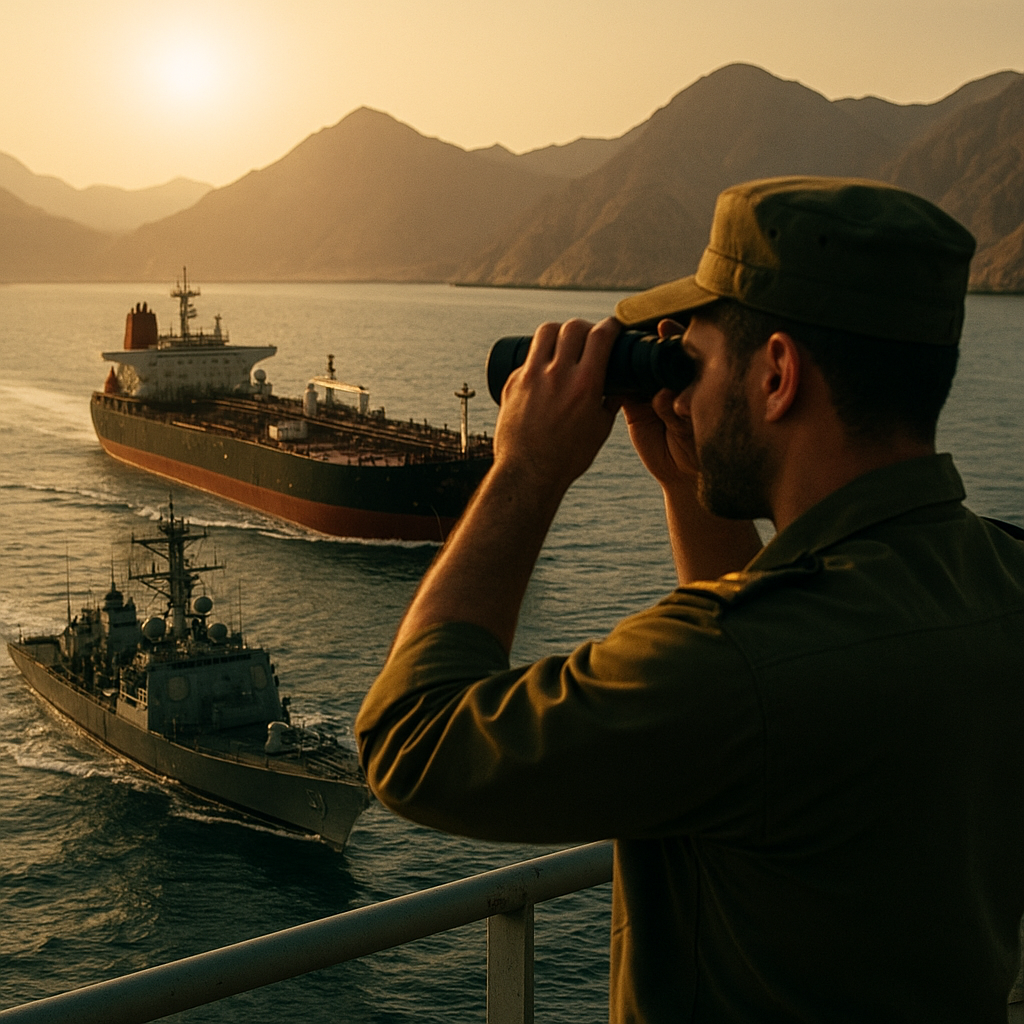
The Strait of Hormuz is a narrow yet vital waterway, serving as a crucial artery for global oil transportation. Situated between the Persian Gulf and the Gulf of Oman, it stands as one of the world's most strategically significant maritime chokepoints. Approximately 20% of the world's petroleum passes through this strait, underscoring its importance in geopolitical tensions and economic interests.
Background: The Strategic Importance of the Strait
The significance of the Strait of Hormuz is profound. As the only sea passage from the Persian Gulf to the open ocean, it is essential for oil exports from major producers such as Saudi Arabia, Iran, the United Arab Emirates, Kuwait, and Iraq. The strait's narrowest point measures just 21 miles wide, creating a potential bottleneck that could disrupt global oil supplies if blocked or restricted.
Recent Developments: Tankers Making U-Turns
Recent reports have highlighted an unusual trend where several oil tankers have made U-turns in the Strait of Hormuz, opting for alternative routes through Iran. This behavior has sparked discussions among policy analysts and energy sector professionals regarding its potential impact on global oil markets and security policies. While the exact reasons for these maneuvers remain speculative, possibilities include security concerns and strategic realignments.
Implications for Global Oil Trade
The rerouting of oil tankers in the Strait of Hormuz could have significant implications for global oil trade. Given the strait's strategic importance, any disruption can lead to fluctuations in oil prices and affect the stability of energy supplies worldwide. The decision by some tankers to take alternative routes might reflect broader geopolitical shifts or concerns about security in the region.
Geopolitical Tensions and Security Concerns
The Strait of Hormuz has long been a flashpoint for geopolitical tensions, particularly between Iran and other Gulf states. The recent U-turns by tankers may indicate heightened security concerns or diplomatic maneuvers. Such actions could influence international security policies and necessitate adjustments in naval deployments and surveillance in the region.
Indian Vessels and Regional Dynamics
Reports from India Today highlight the involvement of Indian vessels in these U-turns. This adds another layer to the regional dynamics, as India is a major importer of Middle Eastern oil. The decisions made by Indian tankers could reflect broader strategic considerations or alignments with regional partners. Understanding these movements is crucial for assessing India's energy security strategy and its geopolitical alignments.
Economic Impact: Oil Prices and Market Stability
While the specific impact on oil prices is not yet quantified, any disruption in the Strait of Hormuz can lead to market volatility. Analysts will be closely monitoring price trends and supply chain adjustments as tankers navigate alternative routes. The economic implications could be far-reaching, affecting everything from fuel costs to broader economic stability. Market observers should watch for changes in oil futures and potential shifts in supply chain logistics.
Strategic Importance of Alternative Routes
Choosing alternative routes through Iran might offer strategic advantages, such as reduced transit times or enhanced security. However, these routes may also come with risks, including potential diplomatic fallout or increased costs. The strategic calculus for tanker operators involves balancing these factors against the backdrop of regional tensions. Operators must weigh the benefits of alternative routes against the potential for increased scrutiny or sanctions.
What Readers Should Watch Next
- Monitor geopolitical developments in the Persian Gulf region, particularly any changes in diplomatic relations or military posturing.
- Keep an eye on oil price fluctuations and market responses to changes in tanker routes.
- Watch for announcements from major oil-producing countries regarding their export strategies and any potential shifts in alliances.
Sources and Method
This analysis is based on multiple reputable sources, including The Economic Times and India Today. These sources provide consistent reporting on the events surrounding the Strait of Hormuz.
Additional source links:
Why this matters
For readers following Strategic Shifts in Oil Trade: Navigating the Strait of Hormuz, the useful takeaway is not just the headline. The important part is understanding what the available report confirms, what it leaves open, and why later updates may change the picture.
This article keeps the wording cautious because the source material is the factual boundary. The added context is meant to help readers understand the development without turning early information into unsupported claims.
Comments
Post a Comment