The Strategic Significance of the Strait of Hormuz
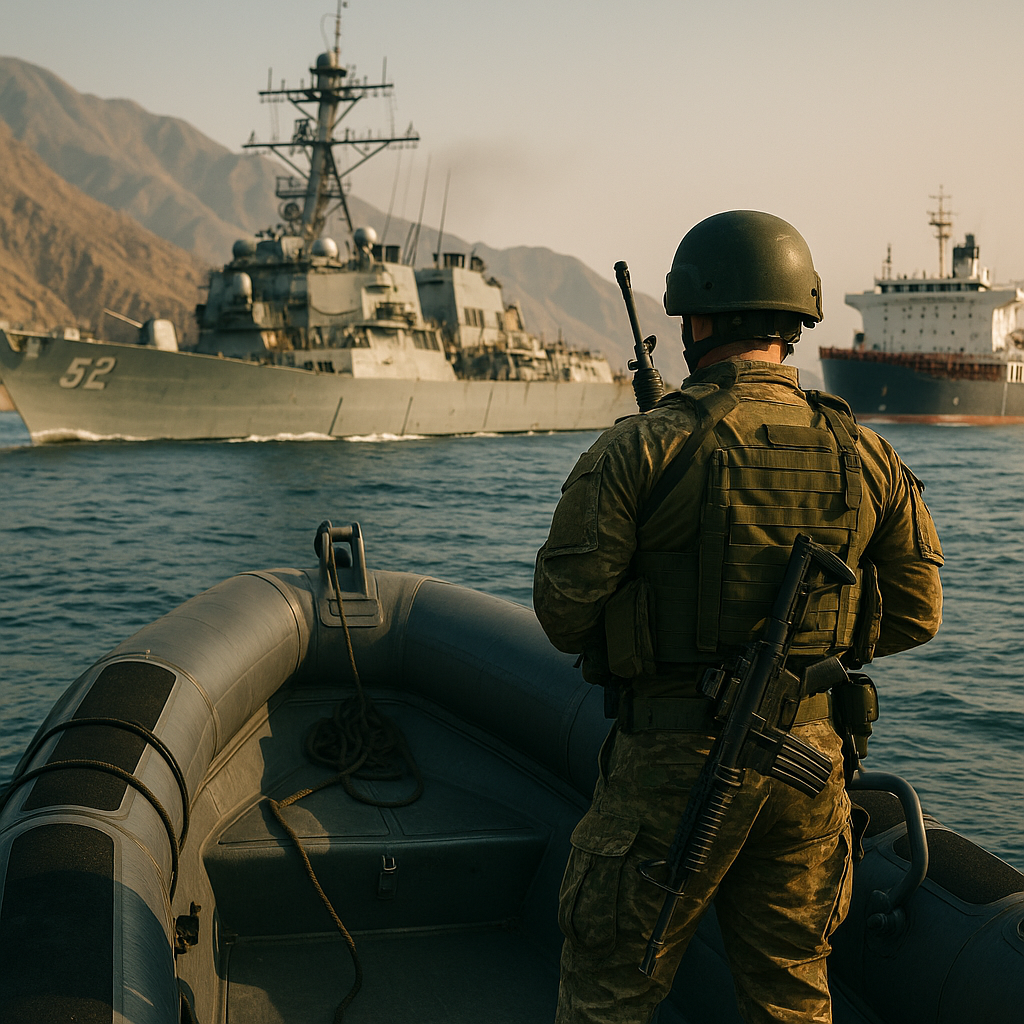
The Strait of Hormuz is a vital maritime chokepoint that connects the Persian Gulf with the Gulf of Oman and the Arabian Sea. This narrow passage is one of the most crucial transit routes for global oil transportation, with approximately 20% of the world's petroleum passing through it. Its strategic location underscores its significance in international energy security and economic stability.
Historical Context and Geopolitical Importance
Historically, the Strait of Hormuz has been a focal point of geopolitical tensions due to its strategic importance. The narrowness of the strait, coupled with its proximity to several politically volatile regions, has made it a hotspot for international conflicts and diplomatic negotiations. Control over this passage has often been equated with influence over global energy supplies, making it a significant area of interest for many nations.
Recent Tensions and Their Implications
In recent years, tensions in the Strait of Hormuz have escalated, particularly involving Iran and other regional powers. A notable incident involved Iran firing a warning shot at a vessel, leading to the temporary closure of the strait. Such actions have immediate implications for international shipping and global oil markets, potentially leading to increased volatility and price spikes. These events highlight the strait's vulnerability to geopolitical maneuvers.
India's Response to Shipping Disruptions
India, a major importer of oil, has expressed strong opposition to any disruptions in the Strait of Hormuz. With nine Indian ships and over 190 seafarers operating in the region, the Indian government has condemned attacks on commercial shipping as unacceptable. This stance reflects India's reliance on secure maritime routes for its energy needs and highlights the broader implications for countries dependent on the strait.
Impact on Global Oil Prices
The closure or disruption of the Strait of Hormuz can have significant effects on global oil prices. Any interruption in the flow of oil through this critical corridor tends to create uncertainty in the markets. Traders often react to potential shortages with price adjustments, leading to economic ripple effects that can impact economies worldwide. The strait's stability is thus integral to maintaining balanced global oil prices.
Geopolitical Ramifications
The strategic location of the Strait of Hormuz makes it a central point for geopolitical maneuvering. Iran's actions in the region are often perceived as a demonstration of its control over a significant portion of the world's energy supply. Such moves can exacerbate tensions between Iran and other nations, particularly those heavily reliant on oil imports, and may affect diplomatic relations. The presence of naval forces from various countries underscores the strait's critical role in global security.
International Relations and Security Concerns
The international community, including countries like the United States and European nations, closely monitors developments in the Strait of Hormuz. Ensuring the free flow of oil and maintaining regional stability are of paramount importance. The presence of naval forces from various countries in the region underscores the strait's critical role in global security and the potential for conflict escalation.
Potential Economic Impacts
For economies like India, disruptions in the Strait of Hormuz can lead to significant economic challenges. The Indian economy, which relies heavily on oil imports, could face increased costs, affecting sectors ranging from transportation to manufacturing. The broader economic implications extend beyond national borders, influencing global trade balances and economic growth.
Future Outlook and Diplomatic Efforts
The future of the Strait of Hormuz will largely depend on diplomatic efforts and regional cooperation. Ensuring the security and openness of this vital waterway is essential for maintaining global economic stability. Ongoing dialogues and negotiations will play a crucial role in mitigating future risks and fostering a stable environment for international trade.
What Readers Should Watch Next
Readers should stay informed about developments in the Strait of Hormuz, as the situation can change rapidly. Monitoring geopolitical dynamics, diplomatic negotiations, and regional security measures will provide insights into potential future scenarios. Understanding these factors is crucial for anticipating economic impacts and preparing for possible market fluctuations.
Sources and Method
This analysis draws on information from reputable sources, including News On AIR and The Times of India. These sources provide insights into recent developments and their potential impacts on global trade and security.
What readers should know
- This report is based on the linked source and avoids claims that are not visible in the available material.
- Details may change as more official information or updated reporting becomes available.
- Readers should treat numbers, timelines, and statements as source-bound context, not personal advice.
Additional source links:
Comments
Post a Comment