Understanding the Noida Mamura Building Fire
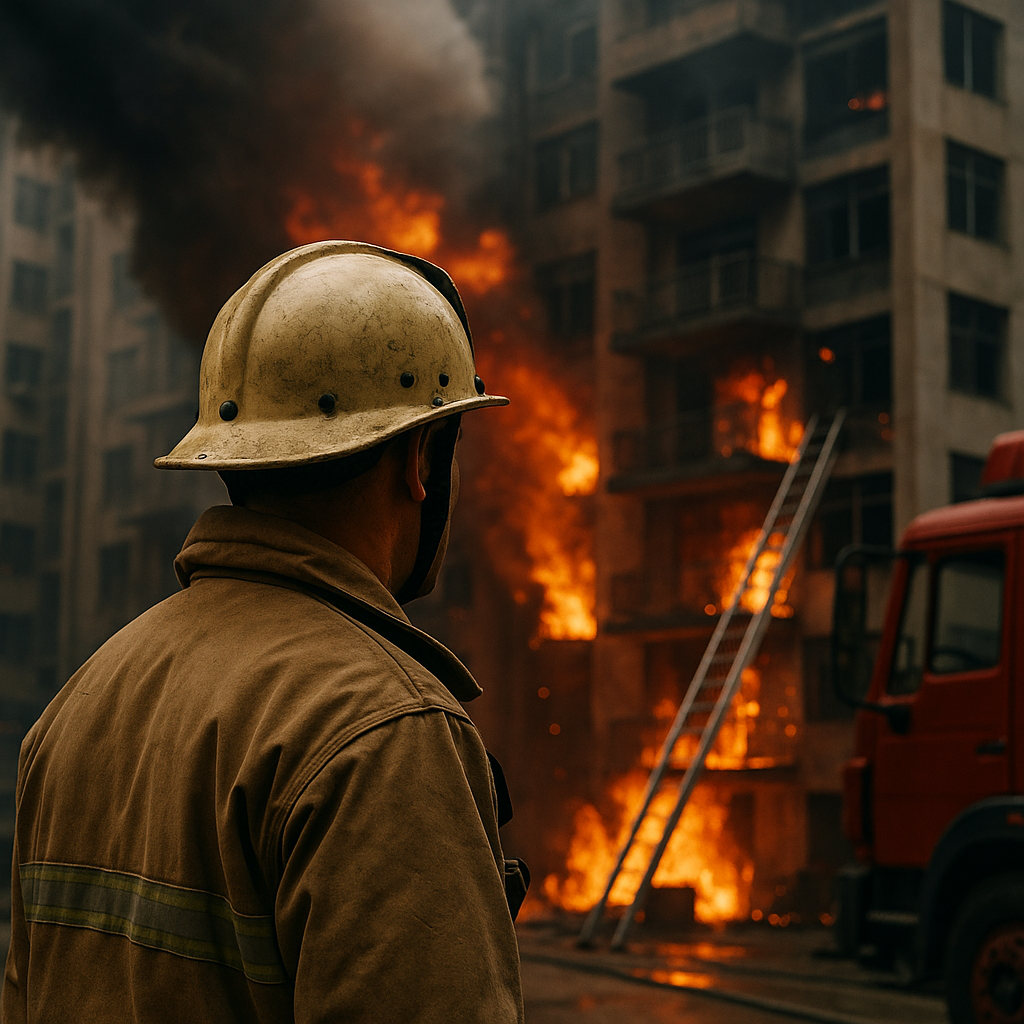
The recent fire incident in Mamura village, Noida's Sector 66, has raised significant concerns about fire safety in urban residential buildings. On July 15, 2026, a tragic fire led to the deaths of two individuals and the rescue of approximately 50 people. The spark that ignited the fire reportedly originated from a charging electric vehicle (EV), highlighting the potential risks associated with EV charging in residential areas.
Background of Urban Fire Safety Challenges
Urban environments present unique challenges for fire safety due to their high population density and complex infrastructure. Buildings are often multi-story with intricate layouts, making evacuation during emergencies more difficult. The Noida incident underscores the urgent need for effective fire safety protocols tailored to urban settings.
What Changed with the Rise of Electric Vehicles
The increasing popularity of electric vehicles has introduced new variables in fire safety considerations. While EVs offer environmental benefits, their integration into residential areas requires careful management of charging practices to prevent fire hazards. The Noida fire incident serves as a wake-up call to reassess how EVs are charged and stored in urban environments.
Why It Matters for Urban Residents
Fire safety is a critical concern for urban residents who live in densely populated areas. The Noida fire incident highlights the importance of proactive measures to ensure safety. Residents must be aware of the risks associated with EV charging and advocate for comprehensive safety protocols in their buildings.
Key Fire Safety Measures for Urban Buildings
- Installation of Fire Alarms: Buildings should have fire alarms installed throughout to ensure early detection of fires.
- Regular Maintenance: Electrical systems, including EV charging stations, must be regularly inspected and maintained to prevent malfunctions.
- Accessible Fire Exits: Clear and accessible fire exits are essential for safe evacuation during emergencies.
- Fire Drills: Conducting regular fire drills can help residents and staff familiarize themselves with evacuation procedures.
- Fire Suppression Systems: Sprinkler systems and other fire suppression technologies should be installed to control fires quickly.
Emergency Response Protocols
Effective emergency response protocols are vital in mitigating the impact of fire incidents. The quick rescue of 50 individuals during the Noida fire demonstrates the importance of having trained personnel and clear evacuation plans. Collaboration between building management and local emergency services can enhance response efforts.
Legal and Regulatory Implications
The arrest of the building's landlord following the Noida fire incident indicates potential legal consequences for inadequate safety measures. It emphasizes the need for building owners to adhere to fire safety regulations and ensure compliance with local laws. Policymakers may consider revising regulations to address emerging risks associated with EV charging.
Limitations and Areas for Further Investigation
While the Noida fire incident highlights the risks of EV charging in residential areas, specific details about the type of EV involved and the exact cause of the spark are not provided. This lack of information points to the need for further investigation and clarity on safety standards for EV charging.
What Readers Should Watch Next
Readers should stay informed about advancements in fire safety technology and evolving regulations regarding EV charging. Being proactive in understanding these changes can help residents enhance their safety measures and advocate for better building management practices.
Sources and Method
Information for this analysis was gathered from a variety of reputable sources, including NDTV and The Hindu. These sources provide a comprehensive overview of the incident and its implications for fire safety in urban settings.
Additional source links:
Why this matters
For readers following Fire Safety in Urban Buildings: Insights from the Noida Mamura Fire Incident, the useful takeaway is not just the headline. The important part is understanding what the available report confirms, what it leaves open, and why later updates may change the picture.
This article keeps the wording cautious because the source material is the factual boundary. The added context is meant to help readers understand the development without turning early information into unsupported claims.
What is still unclear
The linked source does not answer every possible follow-up question. Timelines, official responses, wider impact, and next steps may need clearer reporting before readers can treat them as settled facts.
Where the evidence is limited, the safer reading is to treat the current details as a snapshot. That approach protects readers from overconfident summaries and keeps the post useful even as the story develops.
Comments
Post a Comment