The Role of State Election Commissions in India
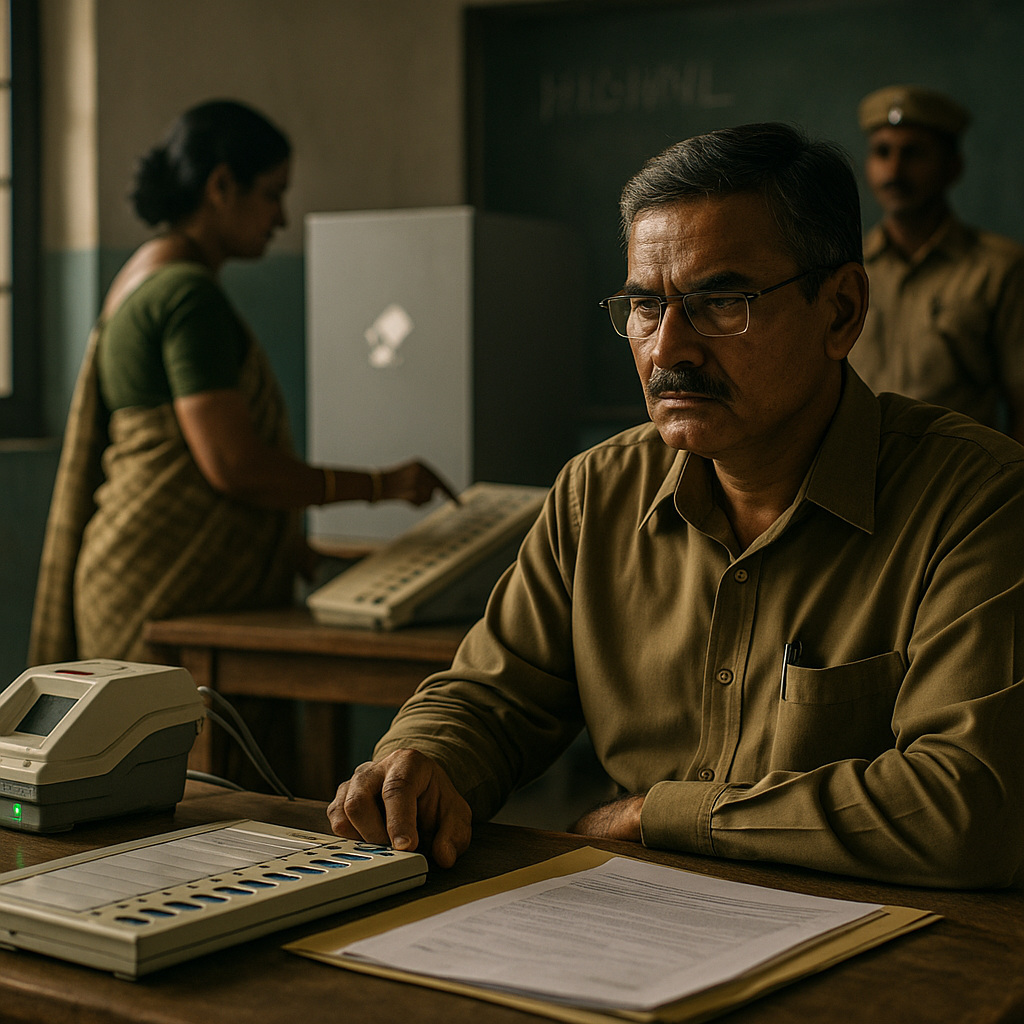
State Election Commissions (SECs) in India are pivotal to the democratic framework, ensuring that elections at the state and local levels are conducted fairly and transparently. Established under the Constitution of India, SECs are responsible for overseeing elections to the offices of the Panchayats and Municipalities. Their duties include preparing electoral rolls, scheduling elections, and ensuring the impartial conduct of elections.
Background: Structure and Function of SECs
Each Indian state has its own State Election Commission, led by a State Election Commissioner. These commissions function independently of the state government, although the commissioners are appointed by the Governor of the state. This independence is crucial for maintaining the integrity of the electoral process, allowing SECs to manage elections without undue political influence.
SECs work in coordination with the Election Commission of India (ECI) to ensure uniformity in electoral processes across the nation. They handle logistics such as voter registration, polling booth management, and vote counting. By doing so, they uphold the democratic framework at the grassroots level, ensuring that local governance reflects the will of the people.
Recent Developments: Tamil Nadu's Request for Resignation
In a significant recent development, the Tamil Nadu government has requested the resignation of State Election Commissioner Jothi Nirmalasamy. This request has been reported by multiple reputable sources, including The Hindu and The Times of India. This move raises questions about the reasons behind the government's decision and its potential impact on electoral governance in the state.
Implications for Electoral Governance
The request for the resignation of a State Election Commissioner can have significant implications. It may affect the administration of upcoming elections in Tamil Nadu, potentially leading to delays or changes in electoral processes. Such a request can also influence public perception of the electoral body's independence and integrity.
Moreover, this development could set a precedent for other states, where political dynamics may similarly influence the functioning of SECs. The independence of these bodies is crucial for maintaining public trust in the electoral process, and any perceived interference could undermine this trust.
What Changed and Why It Matters
The request for Jothi Nirmalasamy's resignation is a notable change in the landscape of Tamil Nadu's electoral governance. The reasons behind this decision are not fully disclosed, leading to speculation and concern among political observers and the public. Understanding the motivations and potential outcomes of this request is essential for assessing its impact on future elections.
This development also highlights the delicate balance between state governments and independent electoral bodies. Ensuring that SECs can operate without political pressure is vital for preserving the integrity of elections, which are the cornerstone of democracy.
Limitations and Challenges
While the request for resignation is confirmed, the lack of detailed information about the reasons and potential consequences presents challenges in fully understanding the situation. This uncertainty can lead to misinformation and speculation, which may affect public confidence in the electoral process.
Additionally, the broader context of electoral governance in India involves various challenges, such as logistical issues, voter apathy, and the need for technological advancements to streamline processes. Addressing these challenges requires a concerted effort from both SECs and the central Election Commission.
What Readers Should Watch Next
As the situation unfolds, readers should stay informed about developments in the State Election Commission of Tamil Nadu and other states. Monitoring reliable news sources for updates on electoral governance and related issues is crucial for understanding the broader implications of this development.
- Stay informed about developments in the State Election Commission of Tamil Nadu and other states.
- Check your voter registration status and participate in upcoming elections.
- Monitor reliable news sources for updates on electoral governance and related issues.
Sources and Method
The information in this article is based on reports from multiple reputable sources, including The Hindu, The Times of India, and The News Minute. These sources provide a comprehensive view of the current situation and its potential impact on electoral governance in Tamil Nadu.
Additional source links:
Why this matters
For readers following Exploring the Role and Recent Developments in India's State Election Commissions, the useful takeaway is not just the headline. The important part is understanding what the available report confirms, what it leaves open, and why later updates may change the picture.
This article keeps the wording cautious because the source material is the factual boundary. The added context is meant to help readers understand the development without turning early information into unsupported claims.
Comments
Post a Comment