India's Leap into Hydrogen-Powered Trains
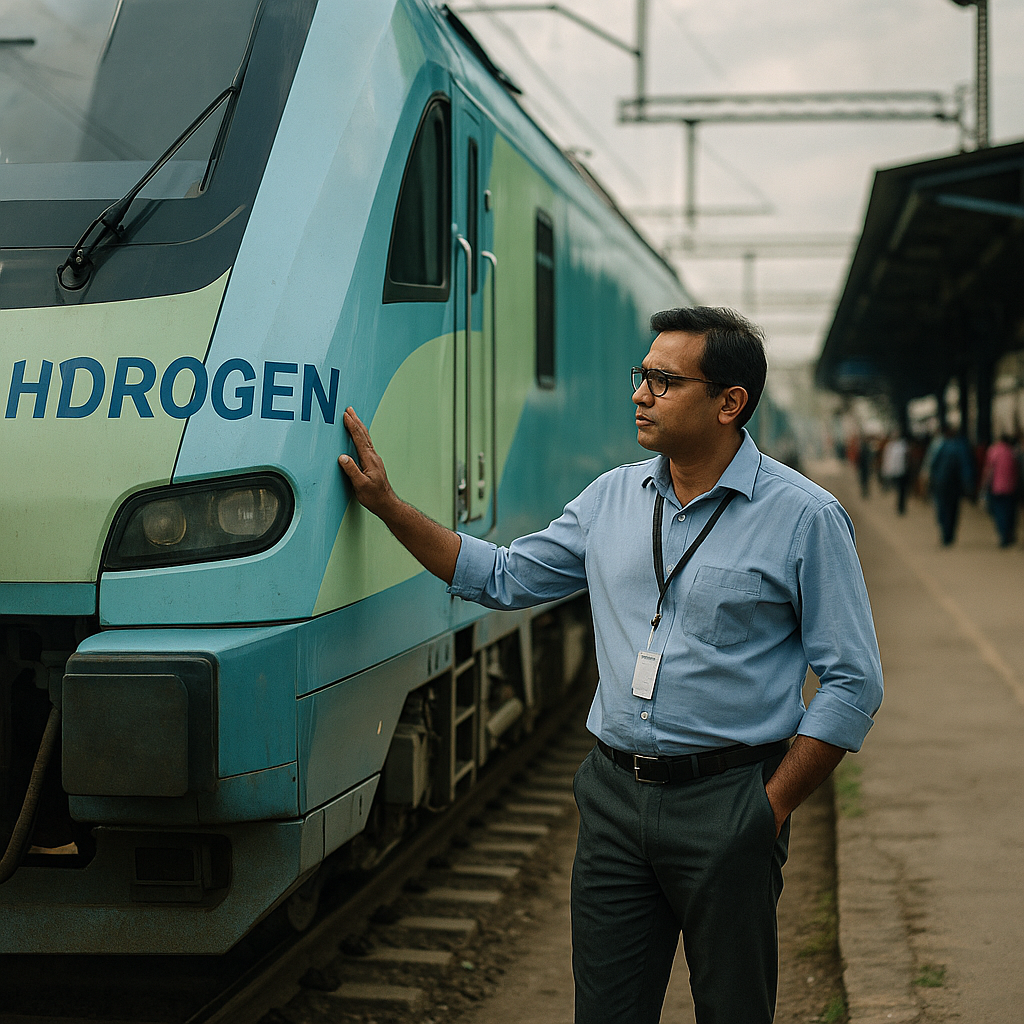
India has embarked on a transformative journey in sustainable transportation with the inauguration of its first hydrogen-powered train. This initiative is part of a broader effort to reduce carbon emissions and promote green mobility across the nation. Flagged off by Prime Minister Narendra Modi in Jind, the train represents a significant milestone in India's transportation sector, showcasing the country's commitment to environmental sustainability.
The Jind-Sonipat Route: A Testbed for Innovation
The hydrogen train operates on the Jind-Sonipat route, covering the distance in approximately two hours with 14 scheduled stops. This pilot project is designed to evaluate the feasibility and effectiveness of hydrogen technology within India's rail network. The route serves as a critical testing ground for assessing operational challenges and benefits, providing insights that could inform future expansions.
Why Hydrogen?
Hydrogen trains utilize fuel cells that combine hydrogen and oxygen to generate electricity, emitting only water vapor as a byproduct. This makes them a cleaner alternative to the diesel-powered trains that are currently widespread in India. By adopting hydrogen technology, India aims to significantly reduce its carbon footprint and contribute to global efforts to combat climate change.
Environmental Benefits and Challenges
The primary environmental benefit of hydrogen trains is their zero-emission operation, which can drastically reduce air pollution compared to traditional diesel engines. However, the production and storage of hydrogen present challenges. Hydrogen production is energy-intensive, and unless renewable energy sources are utilized, the overall environmental benefits may be limited. Additionally, the infrastructure required for hydrogen storage and refueling is still in its nascent stages.
Global Context: Learning from Others
India is not alone in its exploration of hydrogen-powered trains. Countries such as Germany have already implemented hydrogen trains, offering valuable insights into the technology's potential and limitations. These international examples can guide India in scaling up its hydrogen train initiatives, helping to avoid pitfalls and leverage successful strategies.
Experts Weigh In: Is Hydrogen the Future?
While the debut of the hydrogen train is a promising development, experts remain cautious. According to Mathrubhumi English, the technology is not yet ready for widespread adoption due to high costs and infrastructure requirements. The long-term feasibility and scalability remain uncertain, necessitating further research and development.
Potential for Scaling Up
Scaling up hydrogen train operations in India will require substantial investment in infrastructure, including hydrogen production and refueling stations. The government will need to collaborate with private sectors and international partners to develop a sustainable hydrogen economy. This collaboration could pave the way for a more extensive rollout of hydrogen-powered trains across the country.
What Readers Should Know
- India's first hydrogen-powered train is a pilot project, not yet indicative of a nationwide rollout.
- Environmental benefits depend heavily on the source of hydrogen production.
- Cost and infrastructure challenges need to be addressed for scalability.
What Changed and Why It Matters
The introduction of hydrogen trains marks a shift towards cleaner transportation options in India. This change is crucial as India seeks to meet its climate goals and reduce its reliance on fossil fuels. The successful implementation of hydrogen technology in rail transport could set a precedent for other sectors, encouraging broader adoption of sustainable practices.
Limitations and Considerations
While hydrogen trains offer numerous benefits, there are limitations to consider. The current cost of hydrogen production and the need for specialized infrastructure are significant barriers. Additionally, the technology's reliability and efficiency must be proven over time to justify further investment. Policymakers must weigh these factors carefully as they plan future developments.
What Readers Should Watch Next
As India continues to explore hydrogen technology, readers should watch for developments in infrastructure and policy support. The government's commitment to renewable energy sources and international collaborations will be key indicators of progress. Additionally, advancements in hydrogen production methods could enhance the technology's viability.
Sources and Method
This analysis is based on reports from multiple reputable sources, including Al Jazeera and News On AIR. These sources provide consistent details on the launch and operational aspects of the hydrogen train.
Additional source links:
Why this matters
For readers following Exploring the Future of Sustainable Transport: Hydrogen-Powered Trains in India, the useful takeaway is not just the headline. The important part is understanding what the available report confirms, what it leaves open, and why later updates may change the picture.
This article keeps the wording cautious because the source material is the factual boundary. The added context is meant to help readers understand the development without turning early information into unsupported claims.
Comments
Post a Comment