Introduction to the Commercial Street Bridge Demolition
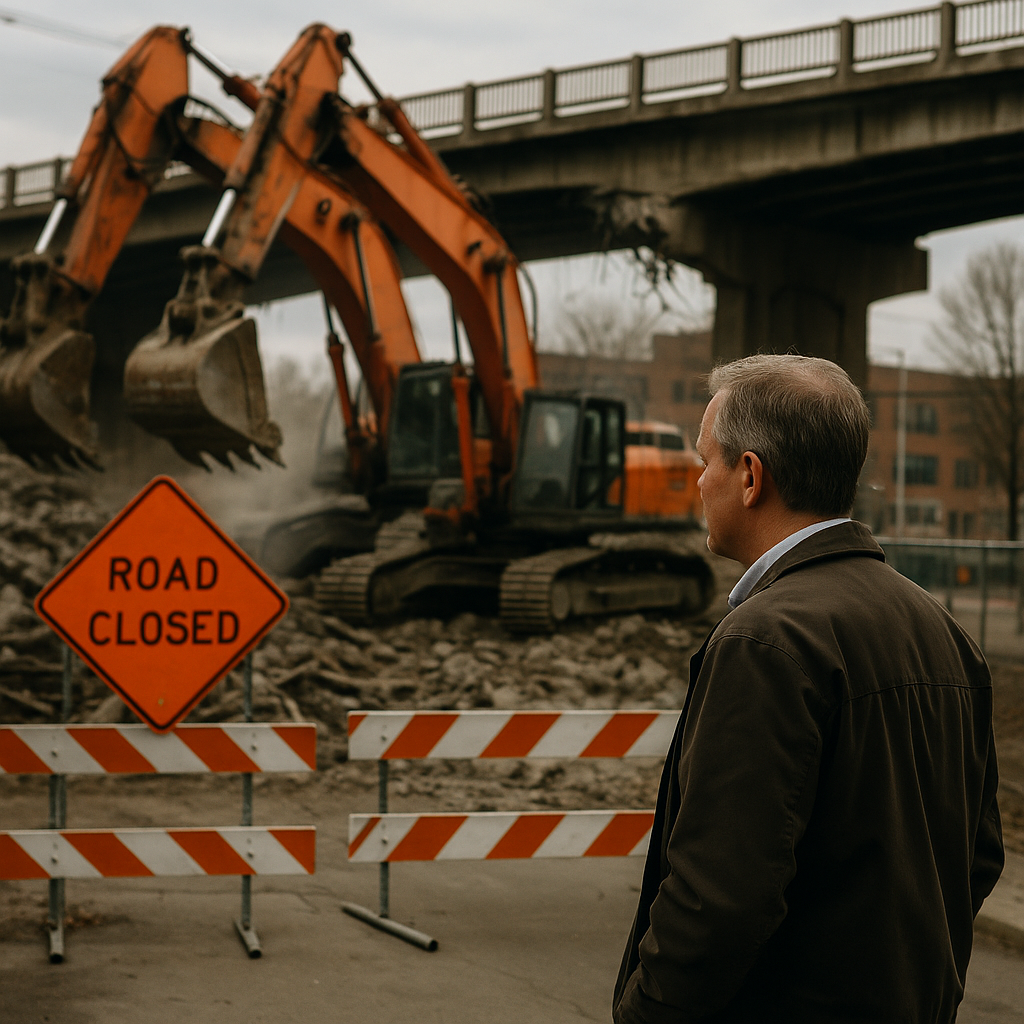
The Commercial Street Bridge demolition has been a focal point for local residents and commuters, primarily due to its anticipated impact on traffic and future infrastructure projects. Initially planned as an explosive demolition, the project has faced a delay, prompting questions about the reasons behind this postponement and its implications for the community.
Background of the Commercial Street Bridge
The Commercial Street Bridge has been an essential transportation link for decades, accommodating thousands of vehicles daily. Its strategic location makes it a critical component of local infrastructure, connecting key areas and supporting economic activities. The decision to demolish and replace the bridge is part of a broader initiative to modernize the region's infrastructure, ensuring safety and efficiency for future generations.
Reasons for the Postponement
While the demolition of the Commercial Street Bridge was postponed, specific details about why this decision was made remain unclear from the available sources. Delays in infrastructure projects can often be attributed to logistical challenges, safety concerns, or regulatory approvals that have not been met in time. Without concrete information, pinpointing the exact cause of the delay is challenging. However, it is common for large-scale projects to face unexpected hurdles that necessitate timeline adjustments.
Impact on Local Traffic
The postponement of the demolition has significant implications for local traffic patterns. The bridge is a crucial link for commuters, and its closure was expected to reroute traffic, potentially causing congestion in surrounding areas. With the delay, these traffic disruptions are temporarily avoided, but the uncertainty may affect long-term planning for daily commuters. Residents may need to adjust their travel plans and stay informed about any changes in the demolition schedule.
Future Infrastructure Plans
The demolition is part of broader infrastructure improvements planned for the area, including updates to the Parkway East. These projects aim to enhance traffic flow and safety, but delays in the bridge demolition could push back timelines for these improvements, affecting regional growth and development. Stakeholders must consider how these delays might impact the overall infrastructure strategy and explore ways to mitigate any negative effects.
Community Concerns and Responses
Local residents and businesses have expressed concerns about the delay, particularly regarding how it might affect their daily routines and economic activities. Community feedback often plays a role in how such projects are managed, and authorities may need to address these concerns to maintain public support. Open communication and transparency from project managers can help alleviate community anxiety and foster trust.
Environmental and Safety Considerations
Demolition projects of this scale come with environmental and safety considerations. The use of explosives, for instance, requires stringent safety protocols to protect nearby residents and minimize environmental impact. These factors might have contributed to the postponement if additional safety measures were deemed necessary. Ensuring that all environmental regulations are met is crucial to the project's success and public acceptance.
What Readers Should Know
While the exact reasons for the delay remain unspecified, readers should be aware that such postponements are not uncommon in large infrastructure projects. They often involve complex logistical and regulatory challenges that can lead to unforeseen delays. Staying informed through official updates and community meetings can help residents and commuters prepare for future developments.
What Is Still Unclear
Key details about the new timeline for the demolition and any revised plans for traffic management during the process are still unclear. Residents and commuters should stay informed through official channels for updates on the project's progress. Monitoring local news outlets and government announcements will provide the most reliable information.
Practical Takeaway for Local Residents
- Stay updated on official announcements regarding the new demolition schedule.
- Plan alternative routes in anticipation of future traffic disruptions.
- Engage with community forums to voice concerns and stay informed about local developments.
Sources and Method
This analysis is based on information from the following sources:
Additional source links:
Why this matters
For readers following Exploring the Delay of the Commercial Street Bridge Demolition and Its Consequences, the useful takeaway is not just the headline. The important part is understanding what the available report confirms, what it leaves open, and why later updates may change the picture.
This article keeps the wording cautious because the source material is the factual boundary. The added context is meant to help readers understand the development without turning early information into unsupported claims.
Comments
Post a Comment