Understanding El Niño and Its Implications for India
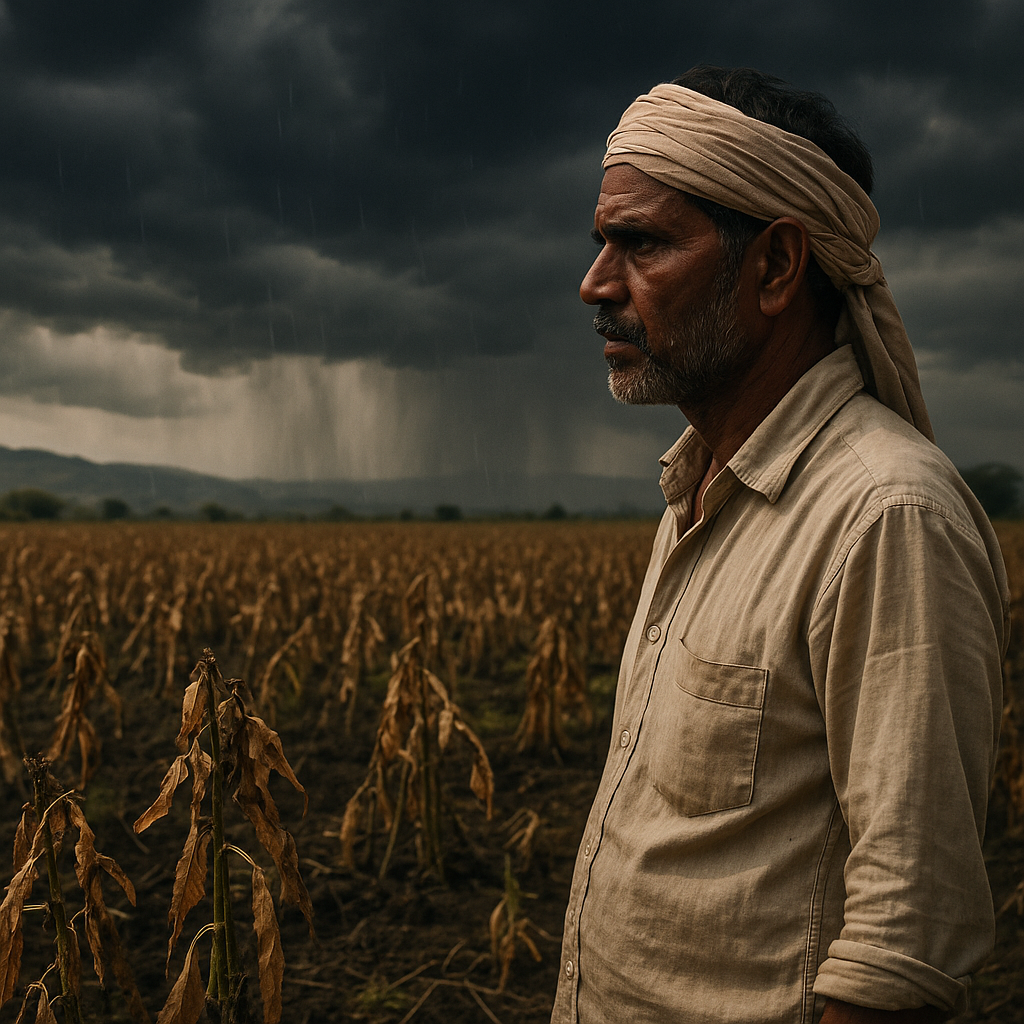
El Niño, a climate phenomenon characterized by the warming of ocean surface temperatures in the central and eastern Pacific, has a profound impact on weather patterns across the globe. For India, the intensification of El Niño in 2026 raises concerns about its potential effects on the monsoon season, which is crucial for agricultural productivity and water supply.
Background: What is El Niño?
El Niño is part of a larger climate pattern known as the El Niño-Southern Oscillation (ENSO), which influences global weather. During an El Niño event, the trade winds weaken, and warm water accumulates in the Pacific Ocean, disrupting normal weather patterns. This can lead to various climatic changes, including altered precipitation and temperature distributions worldwide.
How El Niño Affects the Indian Monsoon
Typically, El Niño is associated with reduced rainfall during the Indian monsoon season. The Indian Meteorological Department (IMD) has already forecasted a dry spell as El Niño intensifies, suggesting that the monsoon could be weaker than usual. This pattern has been observed in past El Niño events, where the disruption of normal atmospheric circulation led to decreased precipitation over the Indian subcontinent.
Potential Agricultural Impact
India's agriculture is heavily dependent on the monsoon rains, which provide the necessary water for crops such as rice, wheat, and pulses. A weaker monsoon could lead to lower agricultural output, affecting food security and farmers' livelihoods. While specific predictions for crop yields are not detailed, the risk of reduced productivity is significant.
Regional Variations in Monsoon Impact
The impact of El Niño on the monsoon can vary across different regions in India. Coastal areas like Mumbai and Chennai may experience different weather patterns compared to inland regions such as Delhi and Bengaluru. However, specific rainfall predictions for these cities remain unclear, leaving residents and policymakers in a state of uncertainty.
Extreme Weather Risks
The United Nations has warned of extreme weather risks from July to September 2026 due to the intensifying El Niño. This could include heatwaves, droughts, and possibly even floods in certain areas, further complicating the agricultural and water supply challenges.
Historical Context: Comparing Past El Niño Events
Historically, strong El Niño events have led to significant monsoon disruptions in India. The current forecast suggests that the 2026 El Niño could become the strongest since 1950, making it imperative to compare past events to understand potential outcomes. Previous strong El Niño years have resulted in below-average rainfall and agricultural distress.
Policy and Preparedness
Policymakers must consider strategies to mitigate the impacts of a potentially weak monsoon. This includes enhancing irrigation infrastructure, promoting drought-resistant crops, and ensuring efficient water management. Proactive measures can help reduce the negative consequences on agriculture and rural livelihoods.
What Readers Should Watch Next
While the evidence points to a challenging monsoon season, the exact impact on specific regions and agricultural output remains uncertain. Farmers and policymakers should stay informed through reliable weather updates and adapt their plans accordingly. Monitoring developments in the Pacific Ocean and updates from meteorological agencies will be crucial.
Practical Takeaways for Farmers and Policymakers
- Monitor IMD updates for the latest monsoon forecasts.
- Consider planting drought-resistant crop varieties.
- Invest in efficient irrigation systems to conserve water.
- Plan for potential water shortages and manage resources wisely.
- Engage with local agricultural extension services for guidance.
Sources and Method
Our analysis is based on information from reputable sources including Goodreturns, The Federal, and The Indian Express.
Additional source links:
Why this matters
For readers following El Niño 2026: Understanding Its Potential Impact on India's Monsoon and Agriculture, the useful takeaway is not just the headline. The important part is understanding what the available report confirms, what it leaves open, and why later updates may change the picture.
This article keeps the wording cautious because the source material is the factual boundary. The added context is meant to help readers understand the development without turning early information into unsupported claims.
What is still unclear
The linked source does not answer every possible follow-up question. Timelines, official responses, wider impact, and next steps may need clearer reporting before readers can treat them as settled facts.
Where the evidence is limited, the safer reading is to treat the current details as a snapshot. That approach protects readers from overconfident summaries and keeps the post useful even as the story develops.
Comments
Post a Comment