Introduction to PM-KISAN Scheme
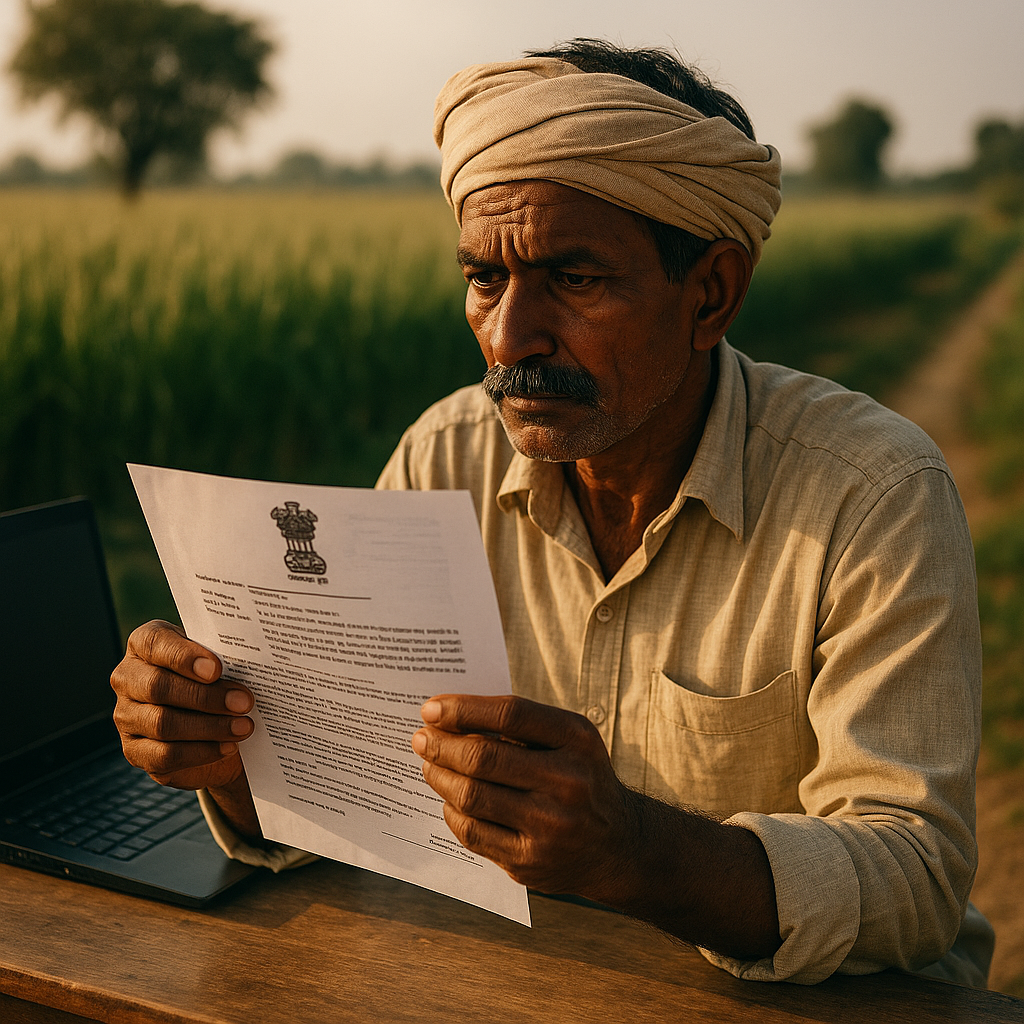
The Pradhan Mantri Kisan Samman Nidhi (PM-KISAN) is a significant initiative by the Government of India aimed at providing financial support to farmers. This scheme is crucial for the agricultural sector, which forms the backbone of the Indian economy. As the 22nd installment is set to be released, farmers and stakeholders must stay informed about the latest updates, eligibility criteria, and application process to maximize the benefits of this initiative.
Background of the PM-KISAN Scheme
Launched in 2019, the PM-KISAN scheme was designed to offer direct income support to small and marginal farmers. The initiative addresses the financial challenges faced by farmers, ensuring they have the necessary resources to manage agricultural expenses. Eligible farmers receive Rs 6,000 annually, distributed in three equal installments, aiding them in covering costs such as seeds, fertilizers, and labor.
Latest Updates on the 22nd Installment
Prime Minister Narendra Modi is scheduled to release the 22nd installment of the PM-KISAN scheme from Guwahati. This installment will disburse Rs 18,640 crore to approximately 9.32 crore farmers, underscoring the government's commitment to enhancing the welfare of the agricultural community. Such financial support is vital for ensuring timely assistance to farmers, particularly during challenging times.
Eligibility Criteria for PM-KISAN
To benefit from the PM-KISAN scheme, farmers must meet specific eligibility criteria:
- Ownership of cultivable land as per the land records of the respective state or union territory.
- The scheme primarily targets small and marginal farmers, defined as those with landholdings up to 2 hectares.
- Exclusions include institutional landholders, farmer families holding constitutional posts, and serving or retired officers and employees of state/central government.
How to Apply for PM-KISAN
Farmers can apply for the PM-KISAN scheme through the following steps:
- Visit the official PM-KISAN portal and register using the Aadhaar number, bank account details, and landholding information.
- Ensure all details are correctly filled to avoid discrepancies and delays in receiving benefits.
- Submit the application and track the status through the portal to stay updated on the disbursement schedule.
Why the PM-KISAN Scheme Matters
The PM-KISAN scheme is vital for providing financial stability to farmers, allowing them to invest in better agricultural practices and improve productivity. By offering direct income support, the scheme helps mitigate the economic challenges faced by farmers, particularly during adverse conditions such as crop failure or market fluctuations.
Challenges and Limitations
Despite its benefits, the PM-KISAN scheme faces several challenges. Ensuring accurate beneficiary identification and timely disbursement of funds are critical issues that need to be addressed. Additionally, the long-term impact on agricultural productivity and sustainability requires further analysis and monitoring to ensure the scheme's effectiveness.
What Readers Should Watch Next
Farmers and stakeholders should keep an eye on the implementation of the scheme to ensure that the benefits reach the intended recipients. Monitoring the distribution mechanism and staying informed about policy changes can help in advocating for improvements where necessary. Additionally, understanding the broader impact of the scheme on agricultural productivity and farmer welfare is crucial.
Sources and Method
This analysis is based on information from multiple reputable sources, including News On AIR and DD News. These sources provide verified facts regarding the financial details and the number of beneficiaries involved in the scheme.
Additional source links:
Why this matters
For readers following Comprehensive Guide to PM-KISAN Scheme: Updates, Eligibility, and Application Process, the useful takeaway is not just the headline. The important part is understanding what the available report confirms, what it leaves open, and why later updates may change the picture.
This article keeps the wording cautious because the source material is the factual boundary. The added context is meant to help readers understand the development without turning early information into unsupported claims.
What is still unclear
The linked source does not answer every possible follow-up question. Timelines, official responses, wider impact, and next steps may need clearer reporting before readers can treat them as settled facts.
Where the evidence is limited, the safer reading is to treat the current details as a snapshot. That approach protects readers from overconfident summaries and keeps the post useful even as the story develops.
What to watch next
Readers should watch for direct updates from the people, organisations, or public bodies connected with PM Modi to release 22nd instalment of PM Kisan scheme from Guwahati tomorrow - News On AIR. Fresh reporting can confirm whether the early details hold, change, or need correction.
A practical way to follow the story is to separate confirmed information from interpretation. Confirmed details should come from named sources, while analysis should remain clearly labelled as context.
Comments
Post a Comment