Weather Mumbai: Why the City’s Forecast Matters More Than Ever
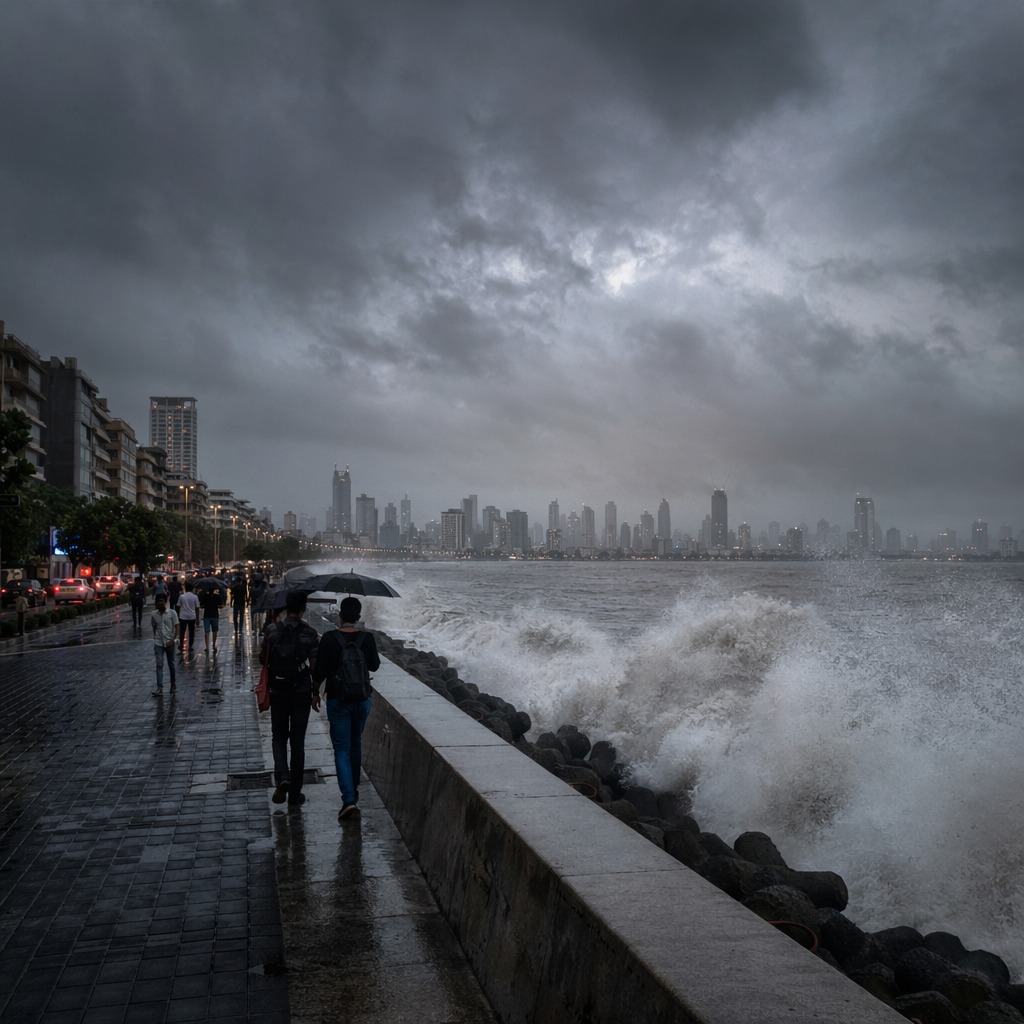
Mumbai’s weather is never just small talk. In India’s financial capital, a change in rainfall, humidity, wind speed or sea conditions can quickly affect train services, airport operations, road traffic, office attendance, school schedules and public safety. That is why searches for “weather Mumbai” regularly rise when the city approaches a spell of heavy rain, heat, thunderstorms or changing monsoon conditions.
The current public interest is best understood in the context of Mumbai’s geography. The city sits on a narrow coastal strip by the Arabian Sea, with densely populated neighbourhoods, reclaimed land, low-lying areas and a transport network that carries millions of commuters. A weather forecast here is not only about whether to carry an umbrella. It can help households plan water storage, businesses manage logistics, civic agencies prepare for flooding, and commuters decide when and how to travel.
For residents, the most important question is usually immediate: will it rain today, and how heavily? But a more complete view of weather in Mumbai also includes temperature, humidity, wind direction, tide timing, air quality and official warnings issued by the India Meteorological Department, commonly known as IMD. These factors together determine whether a day is merely cloudy, uncomfortable, risky for travel, or potentially disruptive.
How Mumbai’s Weather Pattern Works
Mumbai has a tropical coastal climate, with relatively warm conditions through most of the year and high humidity because of its location on the Arabian Sea. The city’s weather can broadly be divided into the pre-monsoon heat and humidity, the southwest monsoon season, the post-monsoon transition, and the milder winter months.
The southwest monsoon is the single most important weather event in Mumbai’s annual calendar. IMD usually tracks the advance of the monsoon across India from late May into June, and Mumbai often begins receiving sustained monsoon rainfall in June. The season typically continues through September, with some rainfall activity extending into October depending on broader atmospheric conditions.
During the monsoon, Mumbai can see long periods of moderate rain, short but intense downpours, thunderstorms and gusty winds. Because the city has many low-lying sections, even a few hours of intense rain can lead to waterlogging, especially when heavy rain coincides with high tide. This is why official forecasts and warnings often mention not just rainfall but also sea conditions and wind patterns.
Outside the monsoon, Mumbai’s weather is shaped by heat, humidity and local sea breezes. In summer and pre-monsoon months, daytime temperatures can feel much higher than the thermometer suggests because humidity reduces the body’s ability to cool itself through sweating. In winter, conditions are generally more comfortable, but temperature drops are modest compared with inland parts of India.
Why Forecasts Can Change Quickly
Weather in a coastal megacity is complex. Rainfall can be uneven across neighbourhoods: one part of Mumbai may experience heavy showers while another receives only light rain. Areas such as Colaba, Santacruz, Andheri, Borivali, Dadar, Chembur, Kurla, Mulund and Navi Mumbai can experience different rainfall totals over the same few hours.
IMD forecasts are based on observations from weather stations, radar, satellite imagery and numerical weather prediction models. However, highly localised convective showers can still develop rapidly. This is why short-term forecasts, nowcasts and colour-coded warnings are useful for daily decisions. IMD commonly uses warning colours such as yellow, orange and red to communicate the likely severity of weather conditions, with red indicating the need for the highest level of preparedness.
For Mumbai, the short-term forecast becomes especially important during the monsoon morning and evening commute. Local trains, buses, taxis, private vehicles and flights can all be affected if intense rain reduces visibility, floods roads or disrupts tracks. Civic authorities such as the Brihanmumbai Municipal Corporation, or BMC, typically coordinate with weather agencies during high-rainfall periods to monitor flood-prone locations, stormwater drains and emergency response systems.
Key Weather Factors Mumbai Residents Track
When people search for “weather Mumbai,” they are often looking for one piece of information: rain. But the most useful weather check is broader. A resident, commuter or visitor should watch several indicators together.
- Rainfall intensity: Light, moderate, heavy and very heavy rain can have very different effects on transport and flooding.
- Hourly forecast: Mumbai’s rain can be intermittent, so timing matters for school runs, office travel and airport movement.
- Humidity and heat index: High humidity can make warm days feel oppressive and increase heat stress risk.
- Wind speed: Strong winds can affect sea conditions, tree falls, temporary structures and flight operations.
- Tide timing: Heavy rain during high tide can slow drainage in low-lying coastal areas.
- Official warnings: IMD colour-coded alerts help indicate the seriousness of expected weather.
For people living near flood-prone roads or railway underpasses, these details can be more useful than a simple daily temperature forecast. A day with a moderate maximum temperature may still be disruptive if it brings intense rain during peak travel hours.
Recent Dated Context: 2024-2026
Public interest in Mumbai weather has been high in recent years because of increasingly visible weather disruptions across Indian cities. Several dated facts from official and named sources help explain why residents pay close attention.
First, the India Meteorological Department marked 2024 as the 150th year of its establishment. IMD, founded in 1875, is India’s national meteorological service and remains the primary official source for weather forecasts, warnings, cyclone tracking and monsoon updates. For a city like Mumbai, IMD’s regional warnings are central to civic preparedness.
Second, IMD’s operational monsoon tracking continued to be closely watched in 2024, as it is every year, because the monsoon determines rainfall, water storage, agriculture and urban flood preparedness across western India. Mumbai’s dependence on monsoon rainfall is not only about daily weather; it is also linked to the lakes and reservoirs that supply the city.
Third, BMC continued in 2024 to issue monsoon preparedness information and public advisories during high-rainfall periods, including guidance related to waterlogging, tree falls and emergency contact systems. Such advisories are important because Mumbai’s risks are concentrated in specific locations, including low-lying roads, older neighbourhoods, underpasses and areas near stormwater channels.
Fourth, Google Trends listed “weather Mumbai” as a trending search topic for India, reflecting user interest in current weather conditions. While Google Trends does not itself provide a meteorological forecast, it indicates that many users were actively seeking information about Mumbai’s conditions.
Fifth, from 2024 into 2026, Indian urban weather discussions have increasingly focused on short-duration intense rainfall, heat stress, and coastal risks. These themes are regularly addressed by IMD forecasts and civic advisories when conditions warrant. For Mumbai residents, the practical takeaway is that daily weather awareness should include official warnings and not just temperature.
Monsoon: The Season That Defines Mumbai
No discussion of Mumbai weather is complete without the monsoon. The season is essential because it replenishes lakes and water reserves, cools the city after summer heat, and supports regional agriculture. At the same time, it produces the city’s most serious annual weather disruptions.
Mumbai’s monsoon challenge is partly physical. The city’s drainage depends on rainfall intensity, stormwater infrastructure, tide levels and outfall capacity. When heavy rain arrives during high tide, water can drain more slowly into the sea. This increases the risk of waterlogging in vulnerable areas. The problem becomes more severe when plastic waste, silt or debris blocks drains.
Transport is another major concern. Mumbai’s suburban rail network is one of the busiest in the world, and even limited track flooding can create cascading delays. Road traffic can slow sharply when water accumulates at underpasses or junctions. Air travel can also be affected by low visibility, wind shear, lightning or operational safety decisions at the airport.
For businesses, monsoon weather affects deliveries, employee attendance, construction work and retail footfall. For households, it influences everything from school schedules to medical appointments. Many residents therefore check weather updates multiple times a day during June, July, August and September.
Heat and Humidity Outside the Rainy Season
While rain gets the most attention, heat and humidity are equally important parts of Mumbai’s weather story. The city’s coastal setting keeps extreme dry heat less common than in parts of north and central India, but humidity can make conditions uncomfortable and raise the perceived temperature.
During warm months, residents often experience sweaty conditions even when the official maximum temperature is not exceptionally high. This is because humidity limits evaporative cooling from the skin. People who work outdoors, including delivery workers, construction labourers, traffic police personnel and street vendors, are more exposed to heat stress.
Practical precautions include drinking water regularly, avoiding prolonged direct sun during the hottest part of the day, using shaded routes when possible, and paying attention to heat advisories if issued by official agencies. For elderly residents, children and people with chronic illnesses, even moderate heat with high humidity can become a health concern.
Air Quality and Weather Interaction
Mumbai’s air quality also changes with weather. Wind direction, rainfall and atmospheric stability influence how pollutants disperse. During monsoon rain, particulates can be washed out of the air temporarily. During calmer conditions, especially when winds are weak, pollution can accumulate near busy roads, construction zones and industrial areas.
Weather therefore affects not only comfort but also respiratory conditions. People with asthma or other respiratory illnesses may need to monitor both weather and air quality information, particularly during dusty, humid or stagnant periods. Official air quality data is typically reported by agencies such as the Central Pollution Control Board and state pollution control authorities, while weather forecasts come from IMD.
How to Read a Mumbai Forecast Sensibly
A good forecast reading begins with the source. IMD is the primary official weather agency for India, and its warnings should be prioritised. Local civic updates from BMC are also important during heavy rain because they provide city-specific information about waterlogging, traffic diversions, school decisions and emergency measures.
Residents should avoid relying only on social media posts that do not name a source or show a timestamp. Weather images and old videos are often recirculated during storms, which can create confusion. A responsible check should include the date, time, location and issuing agency.
It is also useful to distinguish between a forecast and an alert. A daily forecast may say rain is likely, while an official alert indicates a higher level of expected impact. During orange or red alert conditions, people should consider limiting non-essential travel, keeping phones charged, checking transport updates and following instructions from authorities.
What Commuters and Visitors Should Do
For daily commuters, the safest approach during uncertain weather is to build extra time into travel plans and keep multiple route options in mind. If heavy rain is forecast, it may be better to avoid low-lying routes, underpasses and roads known for waterlogging. Public transport users should check railway and bus updates where available.
Visitors to Mumbai should be especially careful during monsoon months. Rain can be sudden and intense, and unfamiliarity with flood-prone areas can increase risk. Coastal promenades such as Marine Drive, Worli Seaface and Bandra Bandstand are popular, but rough sea conditions and high waves during monsoon alerts can be dangerous. Official warnings about avoiding seafront areas should be taken seriously.
Households can also prepare in simple ways: keep emergency lights ready, store essential medicines, protect important documents from water damage, and maintain a list of emergency contacts. Apartment societies in flood-prone areas may need to check pumps, drains and basement parking conditions before heavy rain spells.
Why “Weather Mumbai” Will Remain a High-Interest Search
Mumbai’s weather affects more people, more infrastructure and more economic activity than almost any routine daily variable. A sunny morning can turn into an intense rain spell by afternoon. A high-humidity day can feel exhausting even without record temperatures. A high tide can worsen flooding during a downpour. These overlapping factors make the city’s forecast unusually consequential.
The rise in searches for “weather Mumbai” shows a practical public need: people want timely, location-relevant and trustworthy information. The best response is not panic, but preparedness. Checking IMD warnings, following BMC advisories during severe weather, and understanding local risks can help residents make safer decisions.
In a coastal metropolis where the monsoon is both life-giving and disruptive, weather awareness is a civic habit. Whether the concern is rain, heat, humidity, wind or tides, Mumbai’s daily forecast remains essential information for millions.
Comments
Post a Comment