Understanding Recent Earthquake Activity
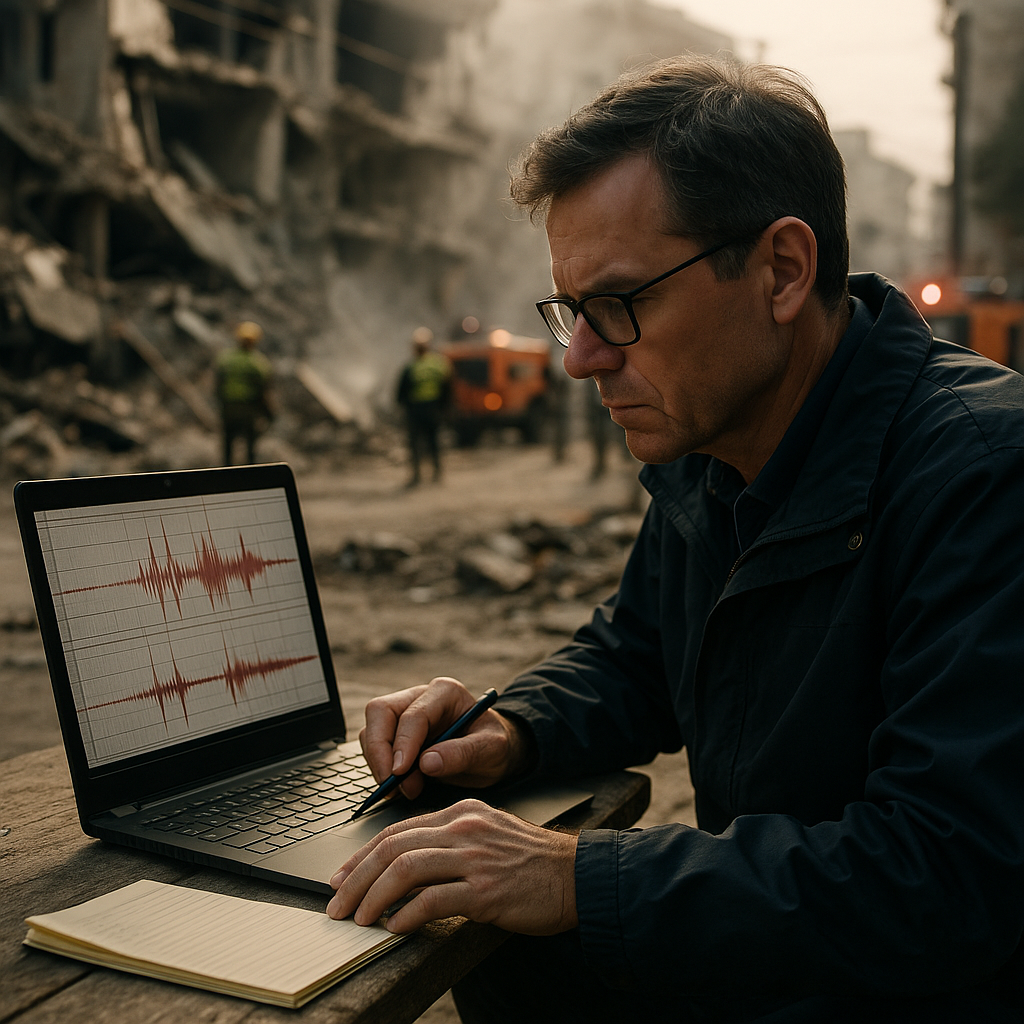
Recent seismic events have highlighted the vulnerability of various regions to earthquakes. Notably, Bhutan experienced significant tremors, and the Philippines faced a powerful quake accompanied by a tsunami warning. These incidents underscore the importance of understanding earthquake impacts and preparedness strategies.
Background on Earthquake Activity
Earthquakes are caused by the sudden release of energy in the Earth's crust, resulting in seismic waves. They are most common along tectonic plate boundaries, where the Earth's plates meet and interact. Understanding these patterns is crucial for developing effective preparedness strategies.
Recent Earthquake Events in Bhutan
On June 7, 2026, Bhutan was struck by earthquakes measuring 5.6 and 5.8 in magnitude. The tremors were felt in North Bengal and Northeast India, causing concern among residents. This seismic activity serves as a reminder of the region's vulnerability to natural disasters and the necessity of preparedness.
Impact on Northeast India
The tremors from Bhutan's earthquakes extended into parts of Northeast India, affecting communities in these areas. While specific details about infrastructure damage or casualties remain unclear, the events have prompted discussions on enhancing local preparedness and response capabilities.
Significant Earthquake in the Philippines
On June 8, 2026, an 8.2 magnitude earthquake struck Mindanao in the Philippines, leading to a tsunami warning. This powerful quake highlights the need for robust early warning systems and community education on evacuation procedures and safety protocols.
Multiple Earthquakes in Dharamshala
The Dharamshala region experienced several earthquakes on June 6, 2026. Fortunately, no damage was reported, but the occurrence of multiple quakes in a short period underscores the importance of ongoing monitoring and preparedness efforts in seismic zones.
Chandigarh Tricity Affected
On June 5, 2026, an earthquake impacted the Chandigarh tricity and surrounding areas. The event has prompted local authorities to review their emergency response plans and consider improvements to infrastructure resilience.
Why Preparedness Matters
Preparedness is crucial in minimizing the risks associated with earthquakes. Effective preparedness strategies can significantly reduce the impact of these natural disasters on communities. This involves not only individual readiness but also community-wide efforts to ensure safety and resilience.
Key Preparedness Strategies
- Develop an Emergency Plan: Have a clear plan for evacuation and communication with family members.
- Secure Heavy Furniture: Anchor heavy furniture and appliances to walls to prevent toppling during a quake.
- Stock Emergency Supplies: Keep a kit with essentials like water, food, flashlight, and first aid supplies.
- Stay Informed: Follow local news and updates from authorities to stay informed about potential risks and safety instructions.
Community and Policy Implications
Recent seismic activities call for a reassessment of community preparedness and policy frameworks. Governments should invest in early warning systems, infrastructure resilience, and public education campaigns to ensure communities are better equipped to handle earthquakes.
Challenges and Limitations
While technology has advanced in predicting and monitoring earthquakes, challenges remain. The unpredictability of seismic events and varying local infrastructure resilience can complicate preparedness efforts. Continuous investment in research and technology is essential to improve prediction accuracy and response strategies.
Reader Takeaway
Residents in earthquake-prone areas should prioritize preparedness to minimize risks. By understanding the nature of earthquakes and implementing effective safety measures, individuals and communities can enhance their resilience against these natural disasters.
Sources and Method
Our analysis is based on reports from reputable sources including Hindustan Times and The Times of India. These sources provide a comprehensive overview of the recent seismic activities and their implications.
Additional source links:
Why this matters
For readers following Understanding Recent Earthquake Activity: Global Impacts and Preparedness, the useful takeaway is not just the headline. The important part is understanding what the available report confirms, what it leaves open, and why later updates may change the picture.
This article keeps the wording cautious because the source material is the factual boundary. The added context is meant to help readers understand the development without turning early information into unsupported claims.
What is still unclear
The linked source does not answer every possible follow-up question. Timelines, official responses, wider impact, and next steps may need clearer reporting before readers can treat them as settled facts.
Where the evidence is limited, the safer reading is to treat the current details as a snapshot. That approach protects readers from overconfident summaries and keeps the post useful even as the story develops.
Comments
Post a Comment