Postal Voting: An Essential Option for Indian Voters
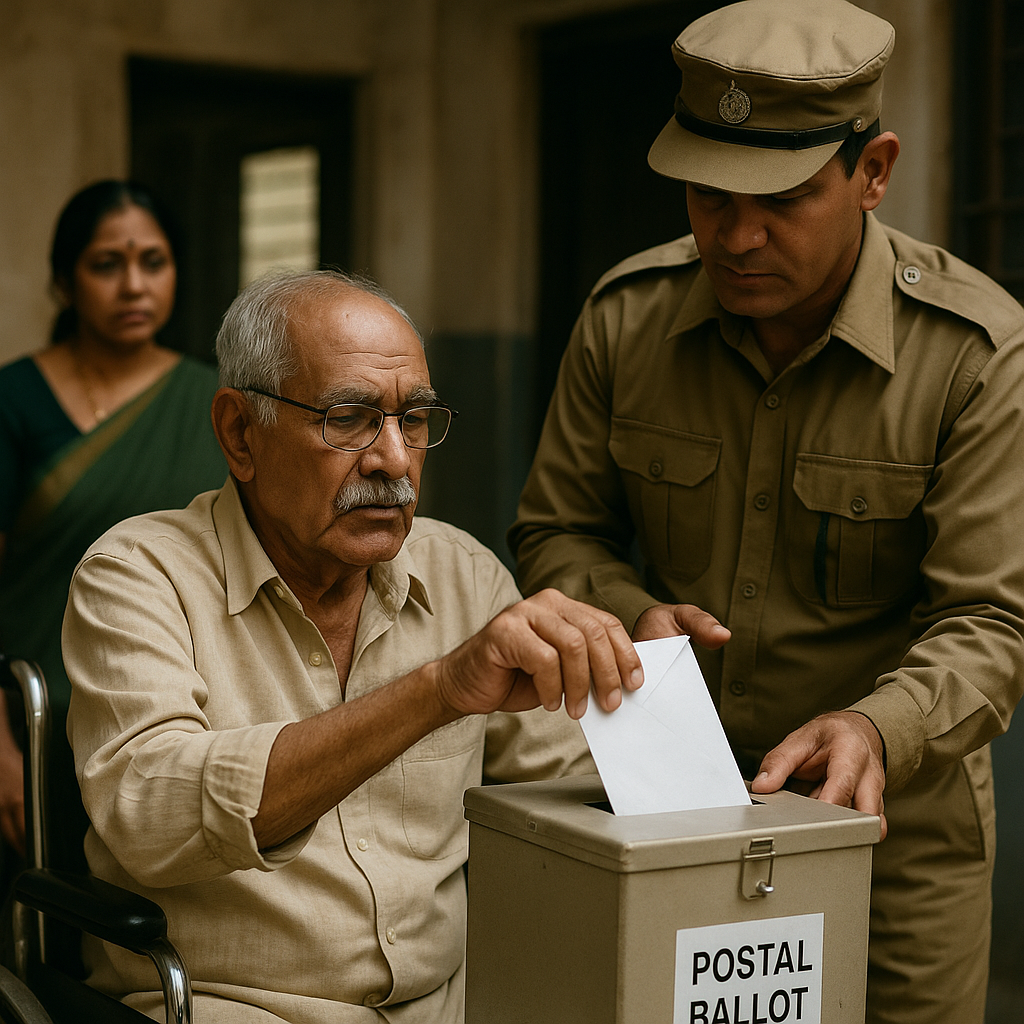
As India prepares for its Assembly polls, postal voting has become a crucial option for those unable to attend polling stations in person. This method is particularly vital for elderly citizens and persons with disabilities (PwDs), ensuring their participation in the democratic process without the physical burden of visiting polling booths.
Background: The Evolution of Postal Voting in India
Traditionally, postal voting in India was primarily available to service voters, such as members of the armed forces, who could not vote in their home constituencies due to their duties. Over the years, the Election Commission of India (ECI) has expanded this facility to include other groups, recognizing the need for inclusive voting practices. This expansion reflects a broader commitment to ensuring that all eligible citizens can exercise their right to vote, regardless of physical limitations.
Recent Changes: Expanding Eligibility
In a significant move, the ECI has recently extended postal voting rights to include elderly voters above the age of 85 and PwDs. This decision marks a progressive step towards inclusive voting practices, acknowledging the challenges faced by these groups in accessing polling stations. Service voters continue to be eligible for postal voting, maintaining a long-standing provision for those serving the nation.
Why It Matters: Ensuring Accessibility and Inclusion
The expansion of postal voting rights is crucial for enhancing electoral participation among groups that face mobility challenges. By removing the need to physically visit polling stations, postal voting empowers elderly and disabled voters to participate in elections, thereby strengthening the democratic process. This change underscores the importance of accessibility in electoral practices, aiming to increase voter turnout and ensure that every voice is heard.
How to Apply for a Postal Ballot
Eligible voters must apply for a postal ballot through official ECI channels. The application process typically involves submitting a request to the local election office, where officials verify the applicant's eligibility based on age or disability status. It is crucial to complete this process well before the election date to ensure timely receipt and return of the ballot.
Deadlines and Important Dates
Deadlines for postal ballot applications are set by the ECI and vary depending on the specific election schedule. Voters should stay informed about these dates, often announced through official ECI communications and local news outlets, to avoid missing the opportunity to vote. Timely application is essential to ensure participation in the electoral process.
Benefits of Postal Voting
- Accessibility: Postal voting eliminates the need for physical presence at polling stations, making it easier for those with mobility issues.
- Convenience: Voters can complete their ballots at home, reducing stress and time spent traveling.
- Increased Participation: By providing an alternative to in-person voting, postal ballots can lead to higher voter turnout among eligible groups.
Challenges and Concerns
Despite its advantages, postal voting is not without challenges. Instances of ballot mix-ups, as reported in Tirupattur, highlight potential issues with the postal system's reliability. Voters should ensure their ballots are accurately completed and returned promptly to minimize the risk of errors. Additionally, the absence of online voting options remains a barrier for non-resident Indians (NRIs) and others who might benefit from digital solutions.
What Readers Should Know
While postal voting is a valuable option, specific implementation details, such as the exact application process and the impact on overall voter turnout, remain less clear. Voters should seek information from official ECI sources and local election offices to understand the nuances of postal voting in their area. Staying informed and proactive can help voters navigate the system effectively.
Looking Ahead: The Future of Voting
As India continues to refine its voting processes, the expansion of postal voting rights marks a progressive step. Future advancements may address existing gaps, such as the lack of online voting options, further democratizing the voting process. Innovations in technology and policy could enhance accessibility and participation for all voters.
Practical Takeaway for Voters
Eligible voters should proactively engage with the postal voting system by applying early and following up with election officials as needed. Staying informed about deadlines and procedures will ensure their voices are heard in the upcoming elections. Engaging with local election offices and official communications can provide valuable guidance.
Sources and Method
Information in this article is sourced from reputable publications, including DD News and News On AIR. These sources provide a reliable basis for understanding the recent changes in postal voting rights.
Additional source links:
Comments
Post a Comment