El Niño and Its Influence on India's Monsoon
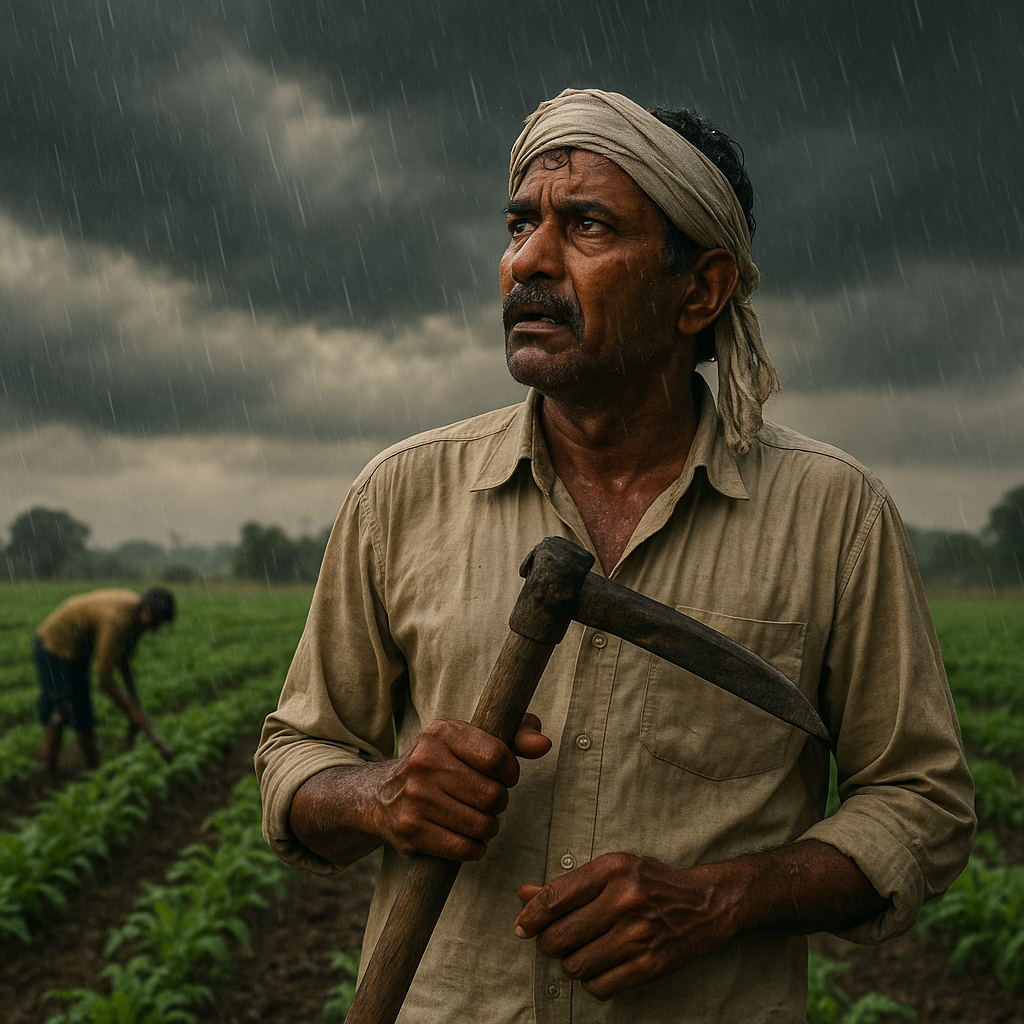
El Niño, a climatic phenomenon characterized by the warming of the Pacific Ocean, has profound effects on global weather patterns. In India, it is closely watched due to its potential to disrupt the monsoon season, which is crucial for agriculture. This year, around 200 districts have been flagged for potential impact, putting the agriculture ministry on high alert.
Background: El Niño and the Monsoon
The monsoon season in India is a critical period that spans from June to September, delivering approximately 70% of the country's annual rainfall. This rainfall is essential for the cultivation of staple crops such as rice, wheat, and pulses. El Niño events, which typically occur every few years, can significantly alter weather patterns, leading to weaker monsoon rains. This disruption can result in droughts, reduced crop yields, and economic stress, particularly in regions dependent on rain-fed agriculture.
Current El Niño Conditions and Forecasts
Reports indicate that India is experiencing moderate to strong El Niño conditions. The Indian Meteorological Department (IMD) has suggested that these conditions are likely to strengthen during the monsoon season, raising concerns about the potential for a weaker monsoon this year. Such forecasts have prompted the agricultural ministry to prepare for possible challenges, including reduced water availability for irrigation and lower crop productivity.
Why El Niño Matters for Agriculture
India's agriculture sector is heavily reliant on monsoon rains. A weak monsoon can lead to insufficient water supply for irrigation, affecting sowing and harvesting cycles. This can result in lower yields and economic losses for farmers, particularly in areas lacking irrigation infrastructure. The impact is more pronounced in rain-fed regions, where farmers have limited options to mitigate the effects of reduced rainfall.
Mitigation Strategies for Farmers and Policymakers
- Water Management: Implementing efficient water use and management practices is crucial. Techniques such as rainwater harvesting and the adoption of drought-resistant crop varieties can help mitigate the impact of reduced rainfall.
- Crop Diversification: Encouraging farmers to diversify their crops can reduce dependency on monsoon-sensitive crops and spread risk. This strategy can help stabilize income and food security.
- Government Support: Timely interventions, such as financial aid and crop insurance, are essential to provide relief to affected farmers. Policymakers should ensure that these support systems are accessible and effective.
The Role of the Indian Ocean Dipole
Interestingly, a rare condition in the Indian Ocean, known as the Indian Ocean Dipole, could potentially offset some of the negative impacts of El Niño. This phenomenon can bring more rainfall to certain parts of India, offering a glimmer of hope for the monsoon season. However, the extent to which this will influence the overall monsoon is still uncertain, and ongoing monitoring is required.
Insights from Meteorological Experts
Meteorological experts emphasize the importance of closely monitoring both El Niño and the Indian Ocean Dipole. These insights can aid in making more accurate weather predictions and preparing for potential agricultural challenges. Understanding the interplay between these phenomena is crucial for developing effective mitigation strategies.
What Readers Should Watch Next
While current El Niño conditions pose a significant threat to India's monsoon, the situation remains dynamic. The interplay between El Niño and the Indian Ocean Dipole could alter outcomes, making it crucial for stakeholders to stay informed and adaptable. Continued research and real-time data will be essential in assessing the ongoing impacts and adjusting strategies accordingly.
Limitations and Uncertainties
Despite the available data, there are uncertainties about the exact impact on agricultural output and how the Indian Ocean Dipole might influence the monsoon. Further research and real-time monitoring will be essential in the coming months to better understand these dynamics and their implications for India's agriculture.
Practical Takeaway for Farmers and Policymakers
Farmers should consider adopting water-saving techniques and diversifying crops as precautionary measures. Policymakers need to ensure that support systems, like crop insurance and financial aid, are accessible and effective. Proactive planning and flexibility will be key to mitigating the adverse effects of El Niño.
Sources and Method
This analysis is based on reports from Down To Earth and Reuters. These sources provide a comprehensive overview of the current El Niño conditions and their potential impacts on India's monsoon and agriculture.
Additional source links:
Comments
Post a Comment