Understanding the Controversy Surrounding CBSE's Three-Language Policy
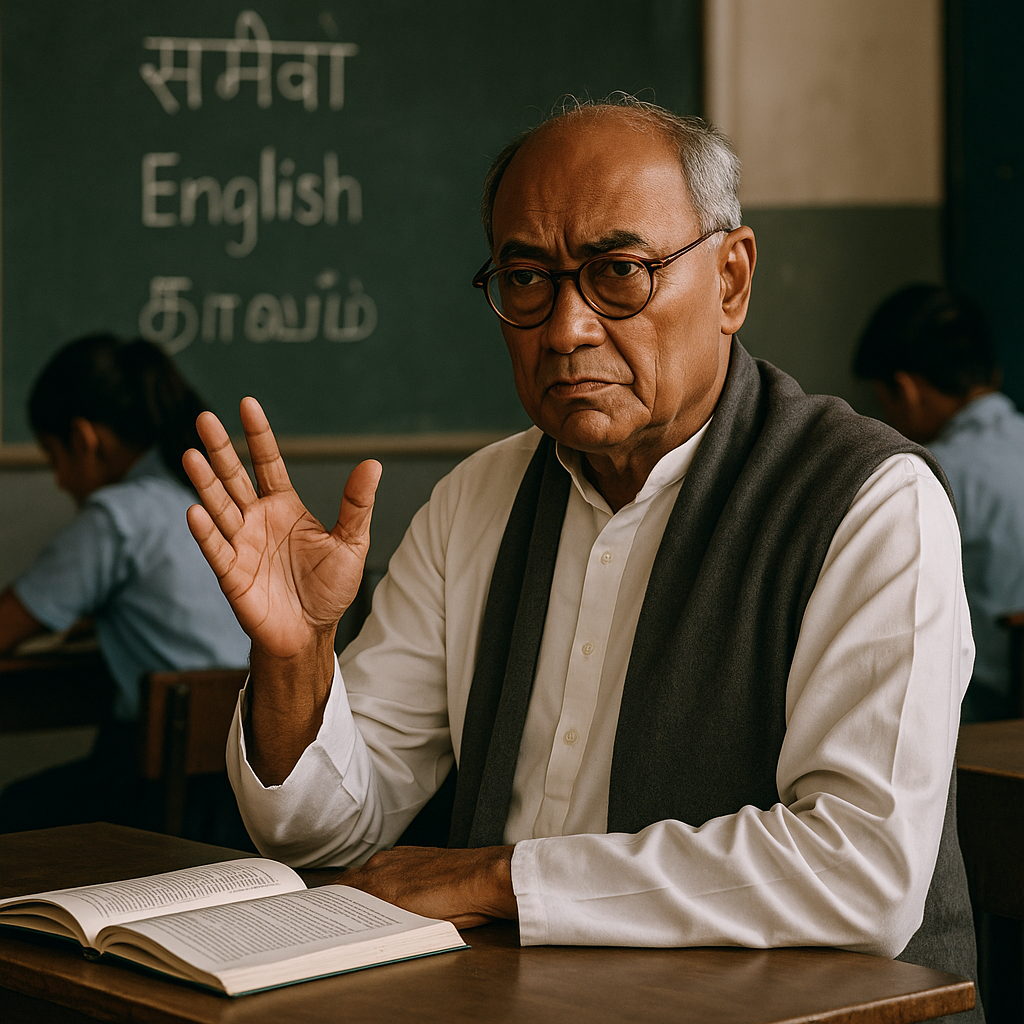
The Central Board of Secondary Education (CBSE) in India has proposed a three-language policy that has stirred significant debate. Prominent political figure Digvijaya Singh has voiced strong opposition, urging Prime Minister Modi to reconsider its implementation. Singh's concerns highlight broader discussions about multilingual education in India and its potential impacts on students and educators.
The Three-Language Policy: An Overview
The three-language policy proposed by CBSE aims to enhance linguistic diversity and communication skills among students. Typically, such policies involve students learning three languages: Hindi, English, and a regional or foreign language. This approach is intended to foster multilingual proficiency and cultural understanding. However, the specific details of CBSE's current proposal remain somewhat unclear, as the policy's full framework has not been publicly detailed.
Digvijaya Singh's Concerns
Digvijaya Singh, in his letter to Prime Minister Modi, has expressed concerns about the potential "serious disruptions" the policy might cause if implemented mid-session. According to reports from Hindustan Times and India Today, Singh argues that the sudden introduction of the policy could adversely affect students, particularly those in Class 9, who are already navigating a challenging academic environment.
Potential Impacts on Multilingual Education
Multilingual education is a cornerstone of India's educational framework, given the country's vast linguistic diversity. The implementation of a three-language policy could be seen as a progressive step towards embracing this diversity. However, Singh's concerns underscore potential challenges such as resource allocation, teacher training, and curriculum adjustments, which require careful planning to avoid disruptions.
Why Singh's Opposition Matters
Singh's opposition is significant because it draws attention to the logistical and educational challenges of implementing such a policy. His stance may influence policymakers to reconsider the timing and method of the policy's rollout, ensuring that it supports students' educational needs without causing unnecessary stress. The debate also highlights the need for a balanced approach that respects regional languages while promoting national integration.
What Educators and Parents Should Consider
- Curriculum Changes: Schools may need to adjust their curriculum to accommodate the new language requirements, which could affect teaching schedules and resource allocation.
- Teacher Training: Adequate training for educators is essential to ensure effective teaching of additional languages.
- Student Adaptation: Students may require additional support to adapt to new language learning requirements, especially if the policy is implemented mid-session.
Background: Multilingual Education in India
India's education system has long grappled with the challenge of balancing linguistic diversity with educational uniformity. The three-language formula, initially proposed in the National Education Policy of 1968, was designed to promote national integration while respecting regional languages. This policy has evolved over time, reflecting changes in educational priorities and political landscapes.
What Changed: The Current Policy Proposal
The current proposal by CBSE to implement a three-language policy is part of a broader effort to align educational practices with the National Education Policy 2020. This policy emphasizes the importance of multilingualism as a tool for cognitive development and cultural understanding. However, the timing and method of implementation have sparked debate, as highlighted by Singh's opposition.
Limitations and Challenges
Implementing a three-language policy is not without its challenges. Schools may face difficulties in sourcing qualified teachers for all three languages, particularly in rural areas. Additionally, the need for new textbooks and learning materials could strain already limited educational budgets. These practical considerations must be addressed to ensure the policy's success.
What Readers Should Watch Next
As the situation develops, readers should pay attention to official statements from CBSE and the government regarding any changes to the policy's implementation. Additionally, monitoring feedback from educators and students can provide insights into the policy's practical effects. Stakeholders should also look for updates on how schools are adapting to the new requirements and any support measures being introduced.
Sources and Method
Information for this analysis was gathered from reputable sources such as CBSE, Hindustan Times, India Today, and Deccan Herald. These sources provide consistent information on Singh's letter and the policy's potential impact.
Why this matters
For readers following Understanding the Debate: Digvijaya Singh's Opposition to CBSE's Three-Language Policy, the useful takeaway is not just the headline. The important part is understanding what the available report confirms, what it leaves open, and why later updates may change the picture.
This article keeps the wording cautious because the source material is the factual boundary. The added context is meant to help readers understand the development without turning early information into unsupported claims.
Comments
Post a Comment