Understanding the Pradhan Mantri Gramin Awas Yojana
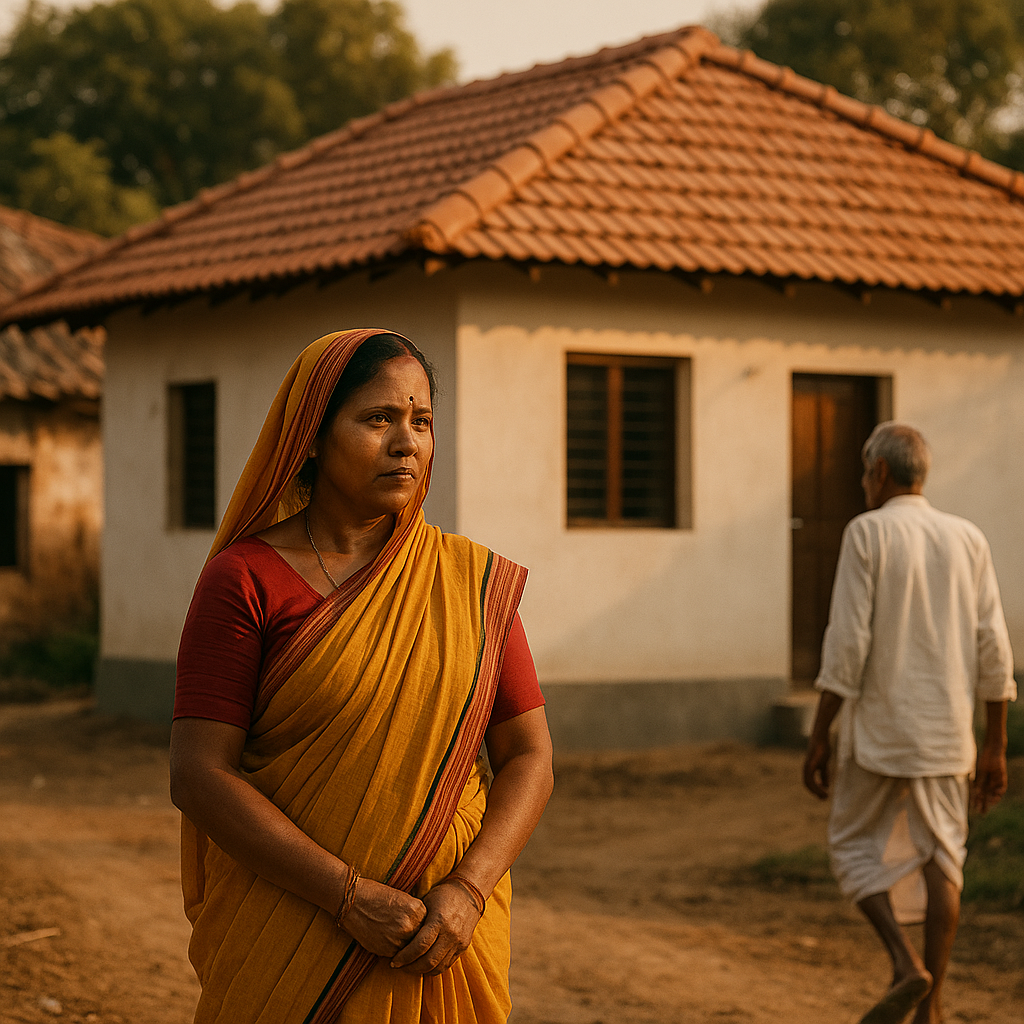
The Pradhan Mantri Gramin Awas Yojana (PMAY-G) is a flagship initiative by the Indian government aimed at providing affordable housing to the rural population. Launched with the vision of 'Housing for All,' this scheme seeks to address the housing deficit in rural areas by offering financial assistance to build pucca houses with basic amenities. The program focuses on improving living conditions and ensuring that every rural family has access to a safe and secure home.
Background: The Need for Rural Housing
India's rural areas have historically faced challenges related to inadequate housing. Many families live in kutcha houses, which are vulnerable to weather conditions and lack essential facilities. PMAY-G was introduced to tackle these issues by providing financial support to construct durable homes. The scheme aims to uplift the rural population by enhancing their quality of life and promoting socio-economic development.
Recent Developments: Budget Release
Recently, the Indian government released over 10,000 crore rupees to 12 states under PMAY-G. This financial boost is part of the ongoing efforts to accelerate the construction of rural houses and ensure timely completion of projects. The release of the first installment of funds marks a significant step in revitalizing the scheme's momentum. This infusion of capital is expected to expedite the construction process and address delays in project completion.
Success Stories: Transforming Lives
Across various states, PMAY-G has been instrumental in transforming the lives of many rural families. Beneficiaries have reported improvements in living conditions, health, and overall well-being. The scheme has empowered individuals by providing them with a sense of security and dignity, which comes with owning a home. Families now have access to better sanitation, electricity, and water facilities, contributing to improved health outcomes.
Case Study: Impact in Odisha
In Odisha, the scheme has been particularly impactful. The state has seen a significant rise in the number of completed houses, providing shelter to thousands of families. This success is attributed to efficient implementation strategies and the active involvement of local authorities. The collaboration between state and central governments has ensured that funds are utilized effectively, resulting in tangible benefits for the residents.
Challenges and Delays
Despite its successes, PMAY-G faces challenges. For instance, in Bihar, over nine lakh rural houses have been delayed due to the government's failure to establish a nodal account. Such administrative hurdles highlight the need for streamlined processes to ensure timely delivery of housing projects. Delays can lead to increased costs and dissatisfaction among beneficiaries, undermining the scheme's objectives.
Addressing Administrative Hurdles
To overcome these challenges, it's crucial for state governments to enhance coordination and transparency in fund allocation and utilization. This will not only speed up project completion but also build trust among beneficiaries. Implementing robust monitoring systems and ensuring accountability at every level can help mitigate these issues.
What Readers Should Know
While the financial infusion is a positive development, the specific impact on housing completion rates remains unclear. The reasons behind delays, particularly in Bihar, need further exploration beyond the nodal account issue. Understanding the complexities of project management and the role of local governance is essential for assessing the scheme's effectiveness.
Monitoring Progress
- Keep an eye on updates from the Ministry of Rural Development regarding project timelines and completion rates.
- Watch for reports from independent agencies evaluating the scheme's impact on rural communities.
- Stay informed about any policy changes or new initiatives under PMAY-G that could affect future housing projects.
Practical Takeaway for Readers
For those interested in rural development, the PMAY-G offers valuable insights into the complexities of implementing large-scale housing schemes. Engaging with local authorities and understanding the administrative processes can provide a clearer picture of how such initiatives are executed on the ground. Observing the scheme's progress can also offer lessons in effective governance and community engagement.
Sources and Method
Information for this analysis was gathered from a range of reputable sources, including Fathom Journal and News On AIR. These sources provide detailed financial figures and timelines essential for understanding the current status of PMAY-G.
Additional source links:
Why this matters
For readers following Transforming Rural India: The Impact and Success Stories of the Pradhan Mantri Gramin Awas Yojana, the useful takeaway is not just the headline. The important part is understanding what the available report confirms, what it leaves open, and why later updates may change the picture.
This article keeps the wording cautious because the source material is the factual boundary. The added context is meant to help readers understand the development without turning early information into unsupported claims.
Comments
Post a Comment