Understanding Extreme Heat Warnings
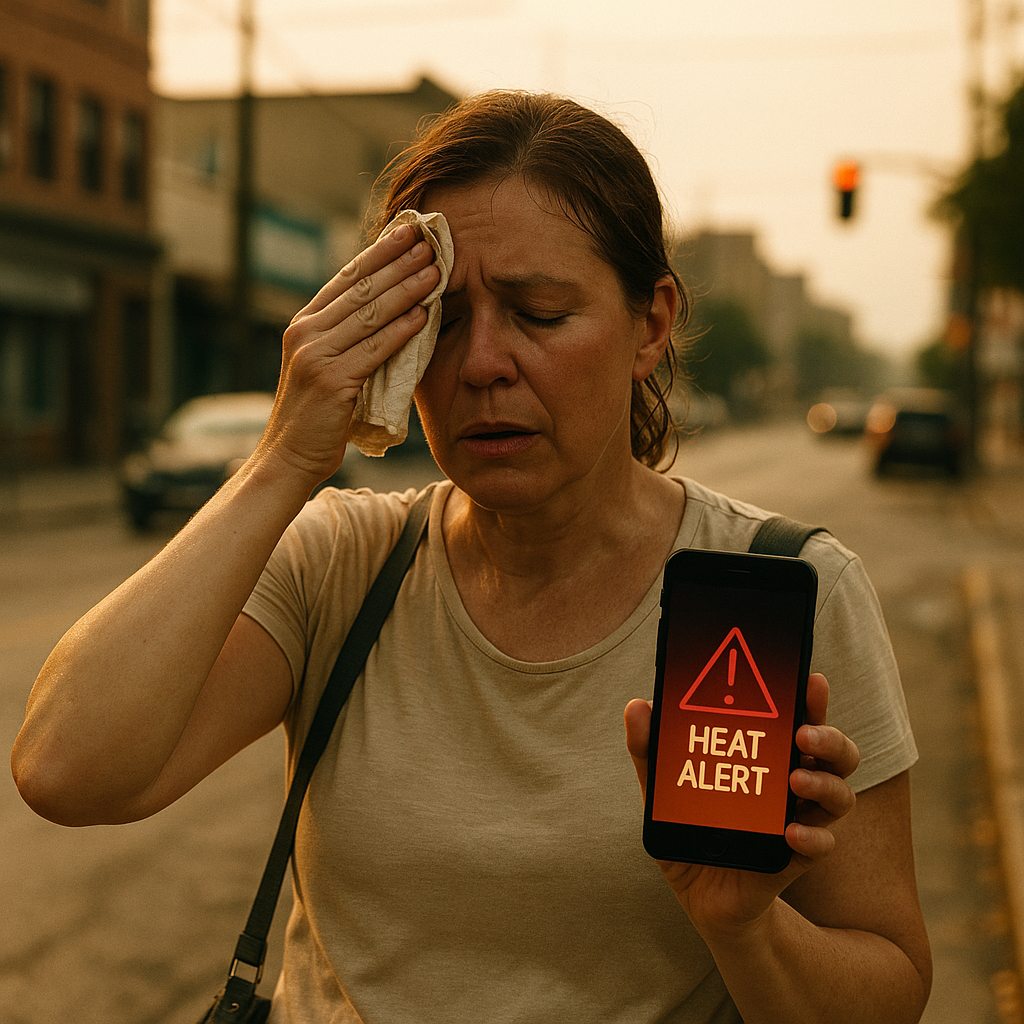
Extreme heat events are becoming increasingly common worldwide, posing significant challenges to public health and safety. Recently, the India Meteorological Department (IMD) issued a red color warning for heat wave conditions in parts of India, while France experienced a deadly heat wave affecting 54 departments. Understanding these warnings and taking appropriate precautions is crucial for public safety.
What Constitutes a Heat Wave?
A heat wave is typically defined as a prolonged period of excessively hot weather, which may be accompanied by high humidity. The specific criteria for a heat wave can vary by region, but it generally involves temperatures significantly above the average for a particular area. In India, for example, a heat wave is declared when the maximum temperature exceeds 40°C in the plains and 30°C in hilly regions.
Recognizing Heat Warnings and Alerts
Weather agencies issue various levels of heat warnings to alert the public about potential dangers. In India, the IMD uses a color-coded system where red indicates the highest level of alert, suggesting severe heat wave conditions. Such warnings are crucial for preparing and protecting vulnerable populations. In Europe, similar systems are in place, with countries issuing red alerts to indicate extreme heat conditions.
Impact of Extreme Heat on Health
Extreme heat poses significant health risks, particularly for the elderly, children, and those with pre-existing health conditions. Heat-related illnesses can range from mild conditions like heat rash to severe ones such as heat stroke, which can be life-threatening if not treated promptly. Symptoms of heat-related illnesses include dizziness, headache, nausea, and confusion.
Practical Tips to Stay Safe
- Stay Hydrated: Drink plenty of water throughout the day, even if you do not feel thirsty. Avoid beverages that can dehydrate you, such as alcohol and caffeinated drinks.
- Limit Outdoor Activities: Try to stay indoors during the hottest parts of the day, typically between 10 a.m. and 4 p.m.
- Wear Appropriate Clothing: Light, loose-fitting clothing made of breathable fabrics can help keep your body cool.
- Use Fans and Air Conditioning: If possible, use fans or air conditioning to maintain a cool indoor environment.
- Check on Vulnerable Individuals: Ensure that elderly neighbors or family members are safe and have access to cooling resources.
Infrastructure Challenges During Heat Waves
Extreme heat can also strain infrastructure, leading to power outages and transportation disruptions. In urban areas like Delhi, where indoor temperatures surged to 45°C, such conditions can exacerbate the challenges faced by residents, particularly in densely populated areas. Power grids can become overloaded as demand for air conditioning rises, and transportation systems may suffer from heat-related delays.
Long-term Implications of Heat Waves
While immediate actions can mitigate the impact of heat waves, these events also underscore the broader implications of climate change. As temperatures rise globally, the frequency and severity of heat waves are expected to increase, necessitating long-term strategies for adaptation and resilience. Urban planning, infrastructure development, and public health policies must evolve to address these challenges.
What Readers Should Know
The specific regions in India affected by the recent heat wave are not detailed in the available sources. Additionally, while the immediate health impacts are clear, the long-term economic and environmental consequences of such extreme weather events remain areas for further exploration. Understanding local weather patterns and staying informed through reliable sources is crucial for preparedness.
What Readers Should Watch Next
As extreme weather events become more frequent, staying informed about local and global weather patterns is essential. Readers should pay attention to updates from meteorological departments and consider the broader impacts of climate change on their communities. Engaging with local initiatives focused on sustainability and resilience can also be beneficial.
Sources and Method
Information for this article was drawn from several reputable sources, including the News On AIR and the Carnegie Endowment for International Peace. These sources provide a comprehensive overview of the current heat wave conditions and their implications.
Additional source links:
Why this matters
For readers following Stay Safe During Extreme Heat: Alerts, Precautions, and Implications, the useful takeaway is not just the headline. The important part is understanding what the available report confirms, what it leaves open, and why later updates may change the picture.
This article keeps the wording cautious because the source material is the factual boundary. The added context is meant to help readers understand the development without turning early information into unsupported claims.
Comments
Post a Comment