Understanding the Growing Threat of Flash Floods in India
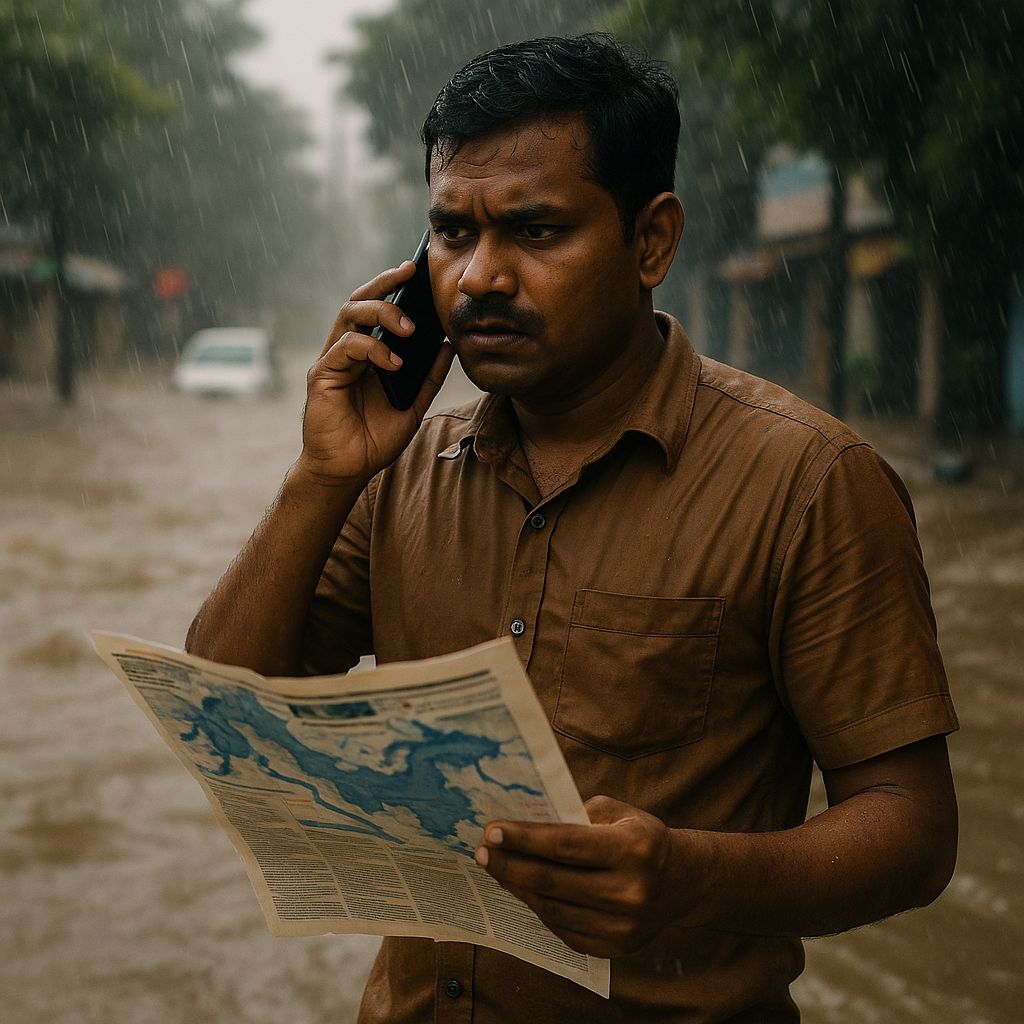
Flash floods are becoming an increasingly severe threat in India, impacting regions previously considered safe. This shift is largely attributed to climate change, which is altering weather patterns and increasing the intensity of storms. As a result, areas across India are experiencing unexpected and devastating flash floods, making preparedness and understanding warning systems more crucial than ever.
The Impact of Climate Change on Flash Floods
Climate change is a significant factor in the rising incidence of flash floods in India. As global temperatures rise, weather patterns become more erratic, leading to extreme weather events. In India, this has manifested in the form of intensified monsoon rains and more frequent storms, which can quickly overwhelm drainage systems and lead to flash flooding. According to the India Water Portal, climate change is redrawing the risk map across the country.
Identifying High-Risk Areas
Traditionally, certain regions in India were considered "safe zones" with minimal flood risk. However, recent reports indicate that these zones are no longer immune to flash floods. For instance, the India Water Portal highlights how climate change is redrawing the risk map across the country.
Understanding Flash Flood Warning Systems
India has developed several warning systems to alert residents and authorities about impending flash floods. The Indian Meteorological Department (IMD) plays a crucial role in issuing alerts and warnings. For example, The Hindu reported a flash flood risk alert for 14 districts in Telangana, showcasing the proactive measures taken to mitigate risks.
Preparing for Flash Floods
Preparation is key to minimizing the impact of flash floods. Here are some essential steps residents in flood-prone areas can take:
- Stay Informed: Regularly check weather updates and warnings from reliable sources like the IMD.
- Create an Emergency Kit: Include essentials such as water, non-perishable food, a flashlight, batteries, a first-aid kit, and important documents.
- Develop an Evacuation Plan: Know the safest routes to higher ground and establish a communication plan with family members.
- Secure Your Home: Elevate electrical appliances and install flood barriers if necessary.
- Stay Safe During Floods: Avoid walking or driving through floodwaters and follow instructions from local authorities.
The Role of Policymakers and Emergency Response Teams
Policymakers and emergency response teams play a critical role in managing flash flood risks. They must ensure that infrastructure is resilient and capable of handling extreme weather events. Additionally, they should focus on improving early warning systems and community education to enhance preparedness. This includes investing in technology and training for better prediction and response capabilities.
Emerging Challenges and Considerations
As flash floods become more common, new challenges arise. For instance, Nature discusses the implications of cryo-hydrological hazards in the Himalayas, which can lead to unexpected flash floods due to ice-patch collapses. These emerging hazards require ongoing research and adaptation strategies to mitigate their impact.
Limitations and Areas for Further Research
While there is a wealth of information on flash flood risks and preparation, specific details on how climate change is redrawing the risk map in India are not fully detailed. Additionally, the exact impact of flash floods on local communities and infrastructure remains an area that needs further exploration. Understanding these dynamics can help improve response strategies and resilience planning.
What Readers Should Watch Next
Readers should keep an eye on developments in climate research and policy changes that aim to address the growing threat of flash floods. Monitoring updates from the IMD and local authorities can provide timely information to help communities prepare effectively. Staying informed and proactive can significantly reduce the risks associated with flash floods.
Sources and Method
This article draws on information from reputable sources, including the India Water Portal and The Hindu. These sources provide a comprehensive view of the evolving flash flood risks in India.
Additional source links:
Why this matters
For readers following Preparing for Flash Floods in India: Comprehensive Guide and Warning Systems, the useful takeaway is not just the headline. The important part is understanding what the available report confirms, what it leaves open, and why later updates may change the picture.
This article keeps the wording cautious because the source material is the factual boundary. The added context is meant to help readers understand the development without turning early information into unsupported claims.
Comments
Post a Comment