Understanding the Impact of Extreme Heat in India
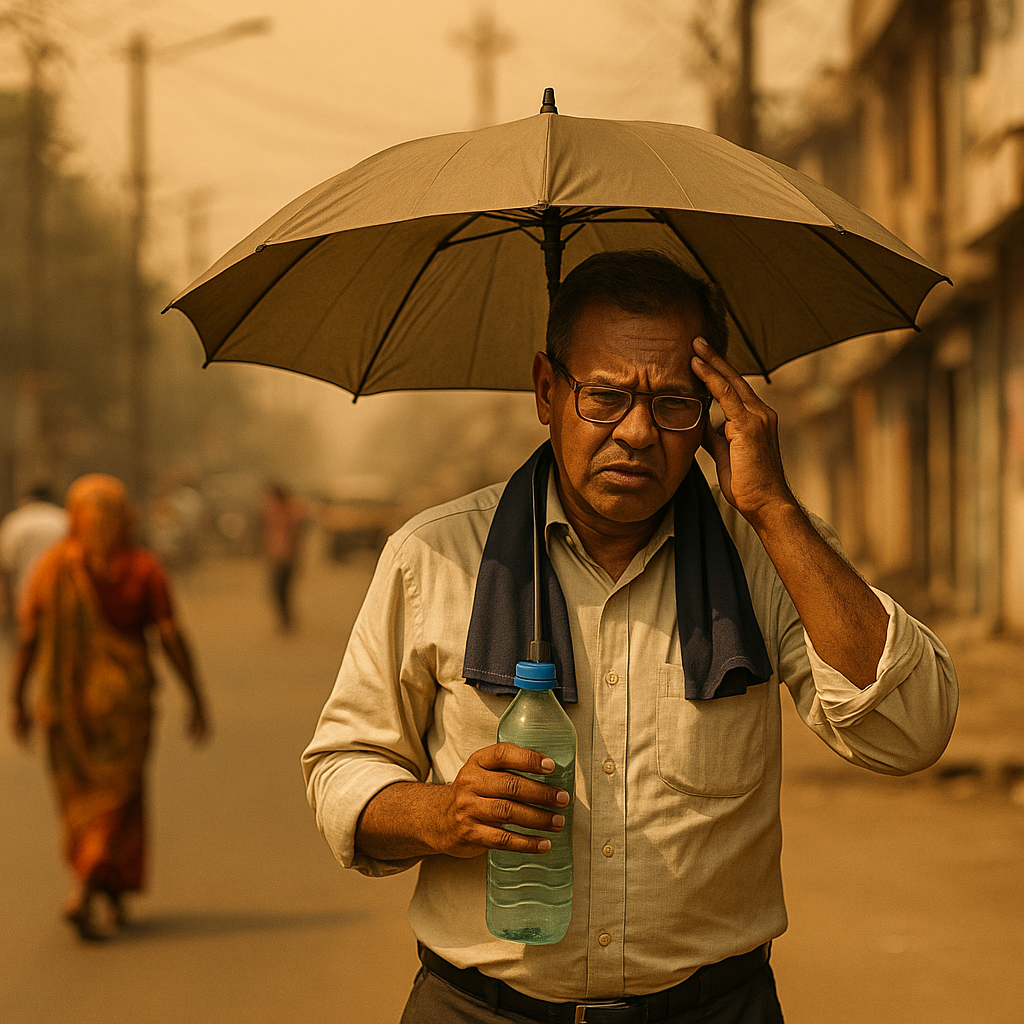
India is currently experiencing a severe heatwave, which has led to unprecedented power demands and significant health risks. With temperatures soaring, it's crucial for residents to be aware of the potential dangers and prepare accordingly. This guide provides practical tips on how to stay safe and healthy during extreme heat conditions.
Background: The Current Heatwave Situation
The ongoing heatwave in India has pushed power demand to a record 260 gigawatts, highlighting the strain on the country's infrastructure. According to MSN, this surge in demand is a direct response to the need for cooling systems to combat the oppressive heat.
Why Extreme Heat is a Concern
Extreme heat is not just an inconvenience; it poses serious health risks. A study reported by Euronews indicates that the heatwave is causing around 3,400 excess deaths per day. This underscores the importance of taking preventive measures to protect yourself and your family.
Practical Tips for Staying Safe
To mitigate the risks associated with extreme heat, consider the following safety tips:
- Stay Hydrated: Drink plenty of water throughout the day, even if you don't feel thirsty. Avoid beverages that can dehydrate you, such as alcohol and caffeine.
- Wear Appropriate Clothing: Opt for lightweight, loose-fitting, and light-colored clothing to help your body stay cool.
- Limit Outdoor Activities: Try to stay indoors during the hottest parts of the day, typically between 10 a.m. and 4 p.m.
- Use Fans and Air Conditioning: Make use of fans and air conditioning to maintain a comfortable indoor temperature. Consider visiting air-conditioned public places if your home is too hot.
- Check on Vulnerable Individuals: Ensure that children, the elderly, and those with chronic illnesses are protected from the heat.
Government Alerts and Warnings
The Indian Meteorological Department (IMD) has issued heatwave alerts for several regions, including Delhi, Uttar Pradesh, Punjab, and Haryana. According to The Times of India, these warnings are essential for preparing residents for the conditions ahead.
Power Supply Challenges
The surge in power demand has put pressure on India's electrical grid, leading to concerns about potential outages. It's advisable to have a backup plan in place, such as battery-powered fans or generators, to cope with any disruptions.
Community Support and Resources
Communities can play a vital role in supporting each other during extreme heat. Local organizations may offer cooling centers or distribute water and other resources to those in need. Stay informed about community initiatives and participate where possible.
Long-Term Considerations
While immediate measures are crucial, it's also important to consider long-term strategies for coping with extreme heat. This includes advocating for policies that address climate change and improve infrastructure resilience.
What Readers Should Know
While this article provides essential tips and information, there are still gaps in understanding the full scope of government measures and long-term climate predictions. Staying informed through reliable sources and updates from local authorities is crucial.
Sources and Method
This article is based on reports from several reputable sources, including MSN, The Hindu, Euronews, The Times of India, and News On AIR. These sources provide verified facts and context for the current heatwave situation in India.
Why this matters
For readers following Preparing for Extreme Heat: Essential Safety Tips for Indian Residents, the useful takeaway is not just the headline. The important part is understanding what the available report confirms, what it leaves open, and why later updates may change the picture.
This article keeps the wording cautious because the source material is the factual boundary. The added context is meant to help readers understand the development without turning early information into unsupported claims.
What is still unclear
The linked source does not answer every possible follow-up question. Timelines, official responses, wider impact, and next steps may need clearer reporting before readers can treat them as settled facts.
Where the evidence is limited, the safer reading is to treat the current details as a snapshot. That approach protects readers from overconfident summaries and keeps the post useful even as the story develops.
What to watch next
Readers should watch for direct updates from the people, organisations, or public bodies connected with India’s power demand hits record 260 GW amid severe heatwave - MSN. Fresh reporting can confirm whether the early details hold, change, or need correction.
A practical way to follow the story is to separate confirmed information from interpretation. Confirmed details should come from named sources, while analysis should remain clearly labelled as context.
Comments
Post a Comment