The Return of a Cultural Icon in Education
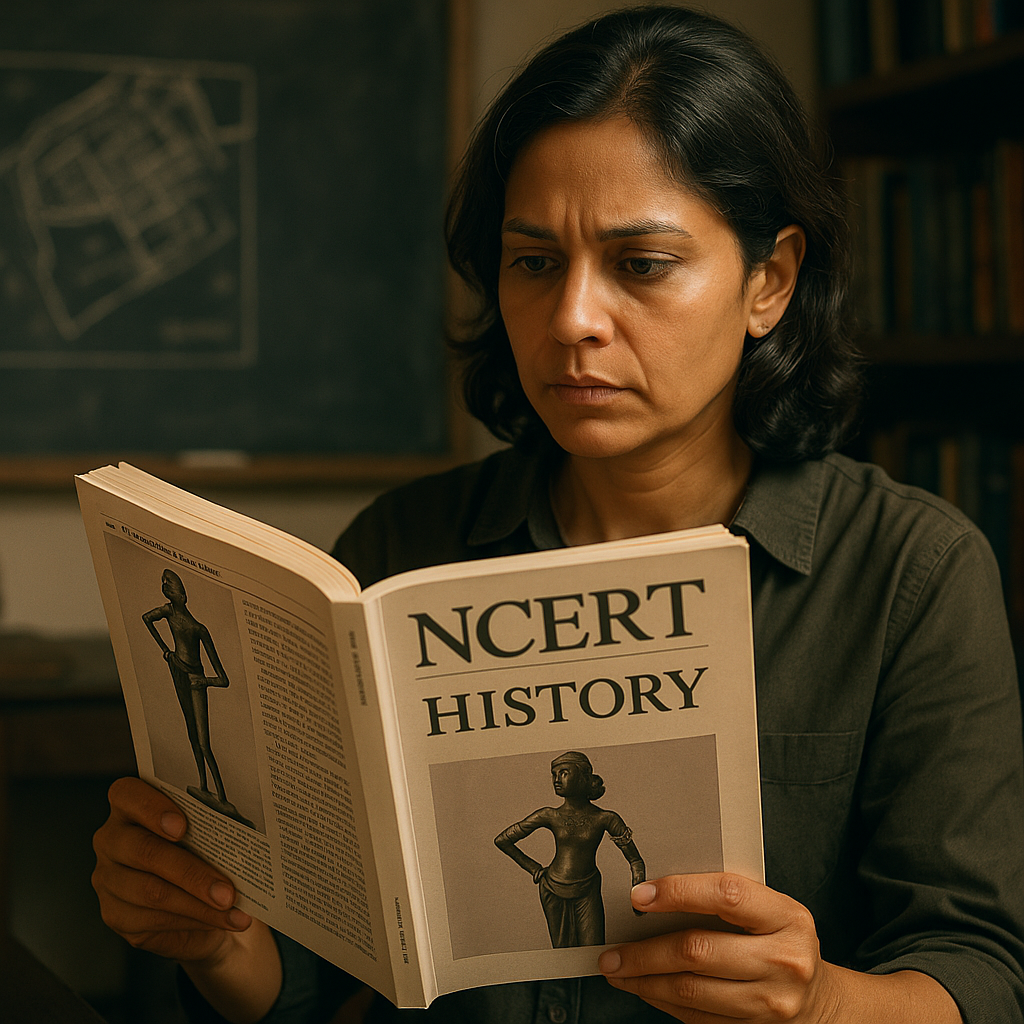
The National Council of Educational Research and Training (NCERT) has decided to restore the original image of the 'Dancing Girl' from Mohenjo-daro in Class IX textbooks. This decision follows significant backlash over previous modifications to the depiction of this iconic artifact. The 'Dancing Girl' is a celebrated bronze statue from the Indus Valley Civilization, and its representation in educational materials has sparked considerable debate.
Background: The 'Dancing Girl' and Its Significance
The 'Dancing Girl' is more than just an artifact; it is a symbol of the advanced artistic and cultural achievements of the Indus Valley Civilization, one of the world's earliest urban cultures. The statue, which dates back to around 2500 BCE, showcases the civilization's expertise in metallurgy and artistry. For students, this artifact provides a tangible connection to India's ancient history, making its accurate portrayal in textbooks crucial for educational purposes.
What Changed in the Textbooks?
The controversy began when NCERT altered the image of the 'Dancing Girl' in its textbooks, covering the statue's bare torso to make it "age-appropriate." This change was met with criticism from academics and cultural commentators who argued that such modifications distorted historical facts and compromised educational integrity. The backlash highlighted a broader debate about cultural representation and the role of education in preserving historical accuracy.
Why the Restoration Matters
For students, the restoration of the original image means access to more accurate historical content. It reinforces the importance of understanding cultural heritage in its true form. Educators, on the other hand, can use this opportunity to engage students in discussions about cultural preservation, historical interpretation, and the impact of modern values on historical artifacts.
Key Details of the Controversy
The decision to revert to the original image was largely influenced by academic and public pressure. Critics argued that altering historical artifacts in educational materials could set a dangerous precedent, where cultural and historical facts are modified to suit contemporary sensibilities. This pressure underscores the responsibility of educational bodies to maintain accuracy and authenticity in teaching materials.
Broader Cultural Implications
This incident raises questions about how cultural artifacts are represented in educational contexts and the potential consequences of altering historical narratives. It highlights the tension between preserving cultural heritage and adapting to modern educational norms. The 'Dancing Girl' controversy serves as a reminder of the delicate balance educators must strike between sensitivity and historical accuracy.
What is Still Unclear?
While the decision to restore the original image has been made, the specific reasons for the initial modification remain unclear. It is also uncertain how this incident will influence future decisions regarding educational content and the portrayal of historical artifacts in textbooks. The ongoing debate reflects broader societal questions about cultural representation and educational responsibility.
Risks and Limitations
Altering historical images in educational materials can lead to a slippery slope of modifying facts to fit modern sensibilities, potentially eroding the authenticity of historical education. The decision to restore the original image is a step towards preserving historical integrity, but it also highlights the challenges educational institutions face in balancing historical accuracy with contemporary values.
Reader Takeaway
- The 'Dancing Girl' is a significant artifact from the Indus Valley Civilization, reflecting its artistic and cultural achievements.
- NCERT's decision to restore the original image follows backlash over previous modifications aimed at making the depiction "age-appropriate."
- The controversy underscores the importance of maintaining historical accuracy in educational materials.
- This incident highlights broader cultural debates about the representation of history in education.
What Readers Should Watch Next
Students and educators should view this development as an opportunity to delve deeper into discussions about cultural heritage and historical interpretation. It is essential to approach historical content critically, understanding the context and implications of how history is presented in educational materials. This incident serves as a valuable lesson in the importance of preserving historical authenticity while navigating modern educational challenges.
Sources and Method
This analysis is based on information from reputable sources, including The Times of India and BBC, which provide consistent information on the topic. The analysis reflects current debates on cultural representation in Indian education.
Additional source links:
Why this matters
For readers following NCERT Textbook Updates: The Return of the Mohenjo-daro 'Dancing Girl', the useful takeaway is not just the headline. The important part is understanding what the available report confirms, what it leaves open, and why later updates may change the picture.
This article keeps the wording cautious because the source material is the factual boundary. The added context is meant to help readers understand the development without turning early information into unsupported claims.
Comments
Post a Comment