Understanding the New Passport Fees in India
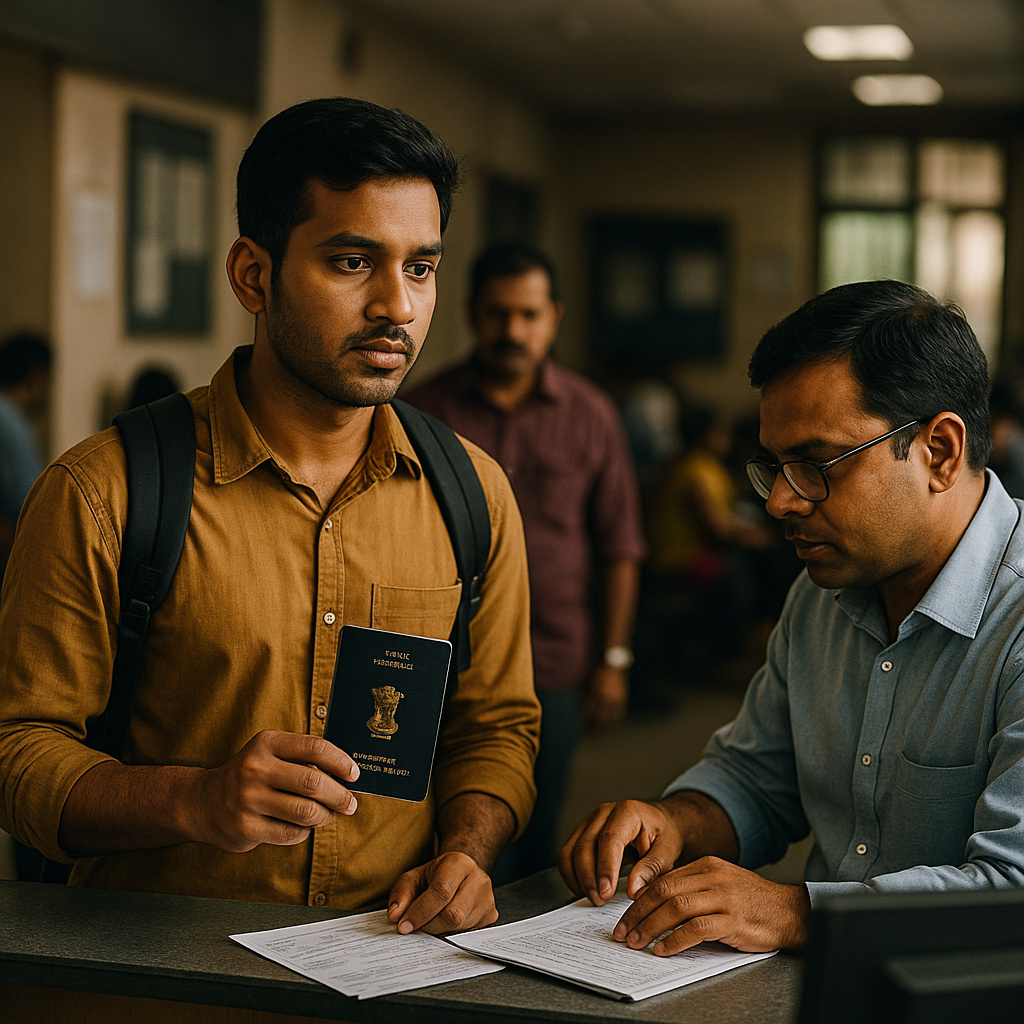
Starting July 1, 2026, Indian citizens applying for passports will face increased fees. The cost for a new passport will rise to Rs 2,500, while Tatkal applications will now cost Rs 5,000. This change affects those planning international travel, making it crucial to understand the new fee structure and application procedures.
Background: Passport Fees in India
Passport fees in India have traditionally been set to cover administrative costs associated with processing applications. Over the years, these fees have seen periodic adjustments to align with inflation and operational expenses. The latest hike is part of this ongoing adjustment process, reflecting the government's need to manage the costs of passport issuance effectively.
Historically, the Indian government has adjusted passport fees to ensure that the costs of processing and issuing passports are adequately covered. These adjustments are typically in response to inflationary pressures and the rising costs of maintaining passport services, including technological upgrades and staffing.
What Changed: New Fee Structure
The recent update in passport fees marks a significant increase. Previously, the cost for a regular passport application was lower, and the Tatkal service, designed for expedited processing, was also more affordable. The new rates of Rs 2,500 for a regular passport and Rs 5,000 for Tatkal applications represent a substantial rise, impacting budgeting for travel.
This increase is noteworthy as it represents a significant percentage rise in costs, particularly for the Tatkal service, which is often utilized by those needing urgent travel documents. The higher fees could potentially discourage some applicants from opting for expedited services unless absolutely necessary.
Why the Fee Increase Matters
The hike in passport fees is significant, especially for frequent travelers and those who require expedited services. With the new rates, budgeting for travel becomes more complex, impacting both casual tourists and business travelers. Understanding these changes can help you plan better and avoid surprises during your passport application process.
For frequent travelers, the increased costs may necessitate a reevaluation of travel budgets, particularly for those who travel internationally on a regular basis. Business travelers, who often require quick turnarounds on passport applications, may find the increased Tatkal fees particularly burdensome.
Application Procedures: What to Expect
Applying for a passport in India involves several steps, starting with filling out the application form online. After submission, applicants must schedule an appointment at the Passport Seva Kendra (PSK) for document verification and biometric data collection. It's essential to ensure all required documents are ready to avoid delays.
- Prepare Documents: Gather all necessary documents, including proof of identity, address, and birth date. Double-check for any additional requirements specific to your application type.
- Book Early: Appointments at PSKs can fill up quickly, especially in major cities. Booking early ensures you secure a convenient slot.
- Check Application Status: Use the online tracking system to stay updated on your application's progress and address any issues promptly.
Applicants should also be aware of the possibility of delays in processing times, particularly if there is a surge in applications following the fee increase announcement.
Impact on Frequent Travelers
The increased fees may deter some travelers from renewing or applying for passports unless absolutely necessary. Business travelers and those with urgent travel needs might feel the pinch more acutely, given the higher Tatkal fees. It's advisable to plan passport renewals well in advance to avoid the Tatkal surcharge.
For those who travel frequently, the increased costs could lead to reconsideration of travel plans or the timing of passport renewals. Planning ahead and budgeting for these increased costs will be crucial for managing travel expenses effectively.
Potential Effects on the Travel Industry
While the fee hike is a direct cost to travelers, it could have ripple effects on the travel industry. Higher passport costs might lead to reduced travel frequency, impacting airlines, travel agencies, and other sectors reliant on international travel. Businesses may need to adjust their strategies to accommodate these changes.
Travel agencies and airlines, in particular, may need to consider the potential for reduced demand for international travel as a result of the increased costs. This could lead to adjustments in marketing strategies and pricing models to attract travelers despite the higher passport fees.
Limitations and Uncertainties
The specific reasons behind the fee increase have not been detailed in the available sources. Without official statements explaining the rationale, it's challenging to predict long-term impacts on travel patterns and industry dynamics. Stakeholders should stay informed about any further announcements from the government.
Travelers and industry professionals alike should monitor government communications for any additional changes or explanations regarding the fee increase. Understanding the broader context of these changes will be important for anticipating future developments in passport policies.
What Readers Should Watch Next
As the new passport fees take effect, travelers should prioritize understanding the application process and budgeting for the increased costs. Being proactive in managing passport renewals and applications will help mitigate the financial impact and ensure travel plans proceed smoothly. Additionally, keeping an eye on any government updates regarding passport policies can provide insights into future changes.
Staying informed about potential future adjustments to passport fees or application procedures will be crucial for travelers and industry stakeholders. By staying proactive and informed, individuals and businesses can better navigate the evolving landscape of international travel requirements.
Sources and Method
The information in this article is based on reports from reputable sources, including NDTV and India Today. These sources confirm the fee changes and effective date.
Additional source links:
Comments
Post a Comment