Introduction to DigiLocker
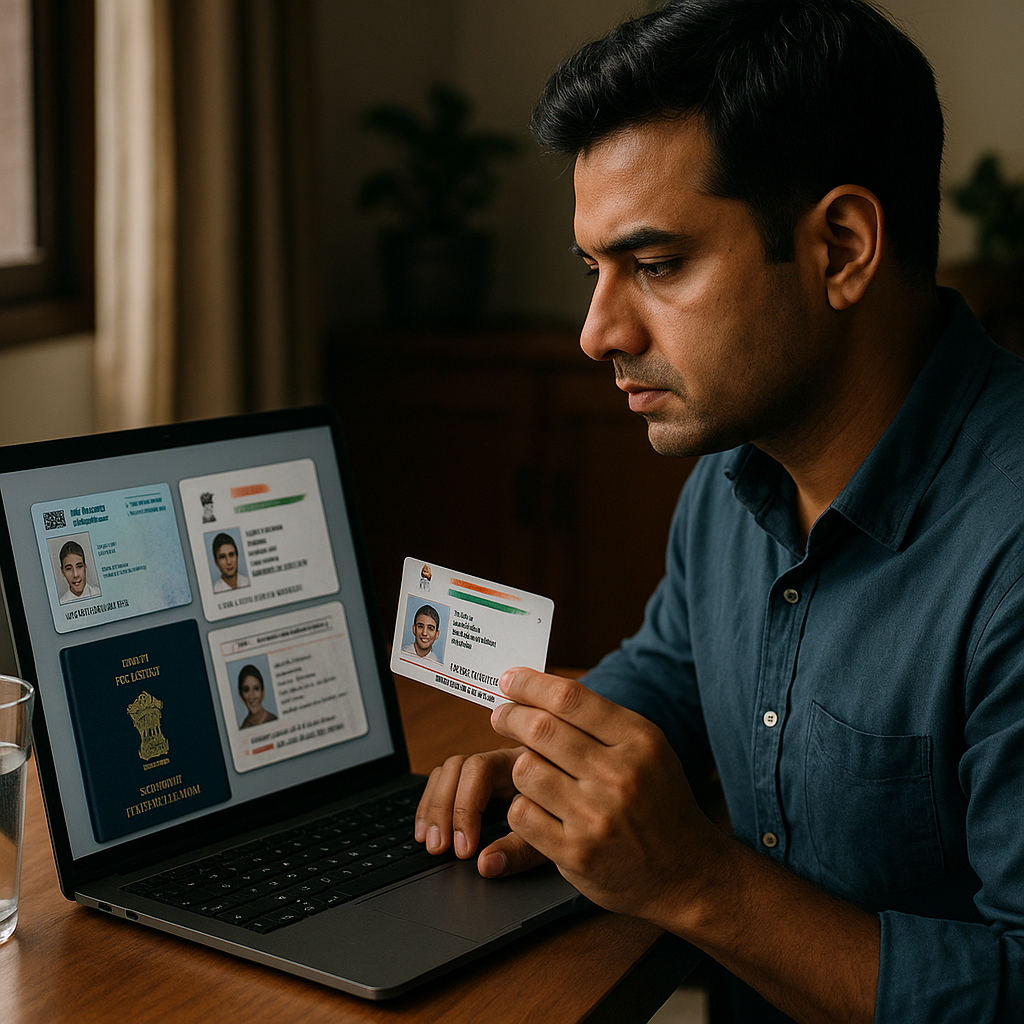
DigiLocker is a digital initiative by the Government of India aimed at transforming document management for its citizens. This platform allows individuals to store, access, and share various certificates and IDs electronically, reducing reliance on physical copies. It is particularly beneficial for students, professionals, and anyone needing to present official documents, offering a secure and convenient solution.
How DigiLocker Works
DigiLocker operates as a secure cloud-based platform for storing documents. Users can sign up using their Aadhaar number, which serves as a unique identifier, to access documents anytime, anywhere. The platform supports a wide range of documents, including educational certificates, identity cards, and government-issued documents, making it a versatile tool for document management.
Benefits for Indian Citizens
Using DigiLocker offers several advantages:
- Convenience: Access documents from anywhere without needing physical copies, which is particularly useful during travel or remote work.
- Security: Documents are stored securely in the cloud, reducing the risk of loss or damage compared to physical copies.
- Paperless Transactions: Facilitates digital transactions, supporting India's move towards a paperless economy and reducing environmental impact.
- Integration with Government Services: DigiLocker is increasingly integrated with various government services, enabling seamless access to essential services and documents.
DigiLocker for Educational Certificates
For students, DigiLocker is an invaluable resource. Educational boards like the CBSE have partnered with DigiLocker to provide digital access to mark sheets and certificates. This integration allows students to download their Class 10th and 12th results directly from DigiLocker, eliminating the need for physical copies during college admissions or job applications, thereby streamlining the process.
Government Initiatives and DigiLocker
Several state governments have integrated DigiLocker with their services to enhance digital accessibility. For instance, the Uttar Pradesh government introduced Family ID on DigiLocker, providing paperless welfare access to over 6 crore citizens. Similarly, Maharashtra's integration of the Mahasarathi Family ID with DigiLocker enhances digital accessibility for its residents, demonstrating the platform's potential to transform public service delivery.
Privacy and Security Considerations
While DigiLocker offers numerous benefits, users must be aware of privacy and security considerations. The platform uses Aadhaar for authentication, which has raised concerns about data privacy. Users should ensure their Aadhaar information is secure and be mindful of sharing their DigiLocker credentials. Regular updates and security measures are essential to protect sensitive information from unauthorized access.
Impact on Digital Accessibility
DigiLocker represents a significant step towards enhancing digital accessibility in India. By providing a centralized platform for document management, it supports the government's vision of a digital India, making services more accessible to citizens across the country. This initiative is pivotal in bridging the digital divide and ensuring that technological advancements benefit all segments of society.
Limitations and Challenges
Despite its advantages, DigiLocker faces certain limitations. The reliance on Aadhaar for authentication may exclude individuals without an Aadhaar number from accessing the platform. Moreover, the digital literacy required to effectively use DigiLocker may pose a challenge for some users, particularly those in rural areas. Addressing these limitations is crucial for maximizing the platform's potential.
What Readers Should Watch Next
As DigiLocker continues to evolve, readers should watch for updates on new integrations with government services and improvements in security protocols. Additionally, staying informed about digital literacy initiatives can help users make the most of DigiLocker and similar platforms. Exploring how DigiLocker can be used in conjunction with other digital tools and services will further enhance its utility.
Sources and Method
This article draws information from reputable sources, including The Times of India and organiser.org. These sources provide insights into the functionalities and integrations of DigiLocker, as well as its impact on digital accessibility in India.
Additional source links:
Why this matters
For readers following Maximizing DigiLocker: A Comprehensive Guide for Indian Citizens, the useful takeaway is not just the headline. The important part is understanding what the available report confirms, what it leaves open, and why later updates may change the picture.
This article keeps the wording cautious because the source material is the factual boundary. The added context is meant to help readers understand the development without turning early information into unsupported claims.
What is still unclear
The linked source does not answer every possible follow-up question. Timelines, official responses, wider impact, and next steps may need clearer reporting before readers can treat them as settled facts.
Where the evidence is limited, the safer reading is to treat the current details as a snapshot. That approach protects readers from overconfident summaries and keeps the post useful even as the story develops.
Comments
Post a Comment