India's rich biodiversity is a treasure trove that the nation has been striving to protect through various conservation efforts. Among these, the role of tribal traditions in conservation, particularly in regions like the Palamau Tiger Reserve in Jharkhand, stands out as a unique and culturally rooted approach. This article delves into how these traditions contribute to conservation efforts, the challenges faced, and the broader implications for India's environmental policies.
Background on India's Conservation Efforts
India is home to a diverse range of flora and fauna, making it one of the world's biodiversity hotspots. The country has been actively engaged in conservation efforts for decades, aiming to protect its natural heritage while balancing economic development. National parks, wildlife sanctuaries, and reserves have been established across the country to safeguard endangered species and their habitats. These efforts are crucial for maintaining ecological balance and ensuring the survival of various species, including the iconic Bengal tiger.
The Role of Tribal Traditions in Conservation
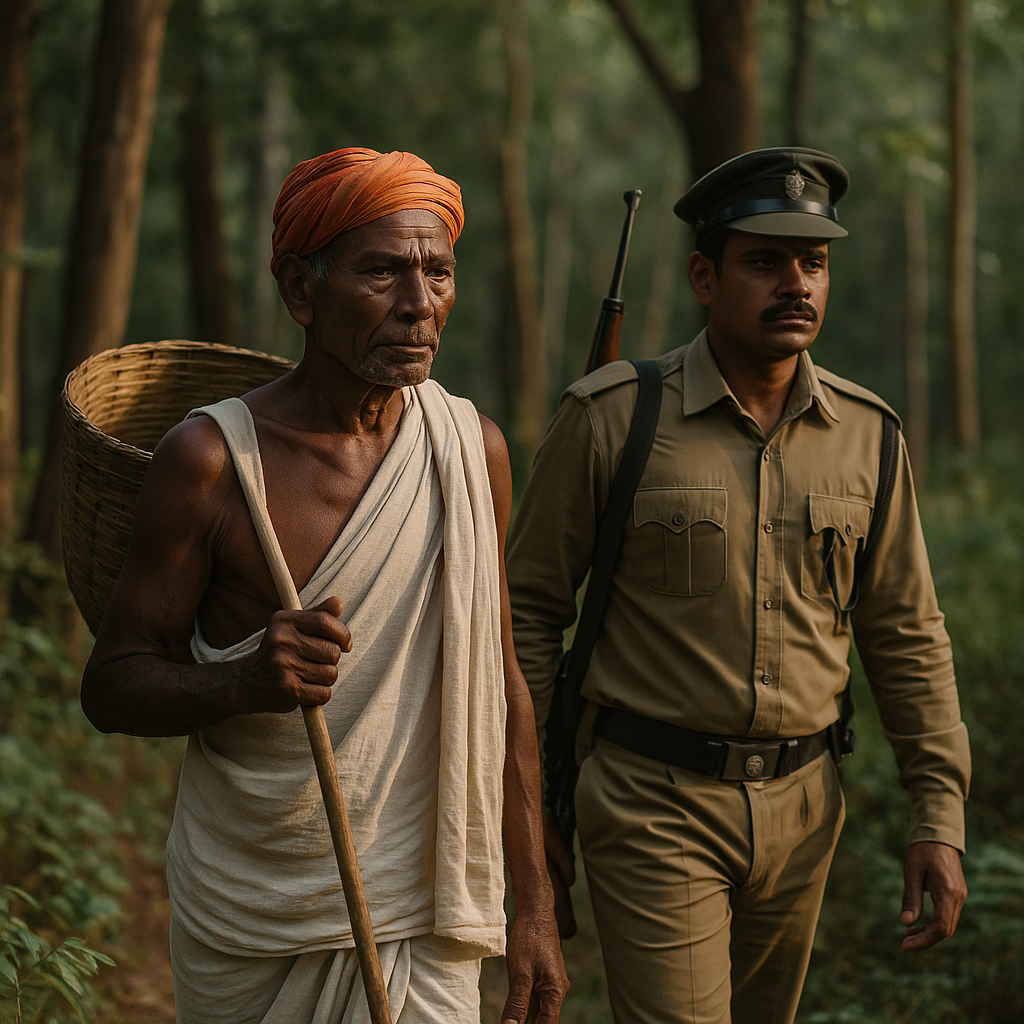
The Palamau Tiger Reserve in Jharkhand is a notable example of how tribal traditions can play a pivotal role in conservation. The indigenous communities living around the reserve have been integral to the protection of big cats, leveraging their traditional knowledge and practices. These communities have a deep understanding of the local ecology, which they utilize to monitor wildlife and deter poaching activities. Their involvement is not only beneficial for conservation but also for preserving cultural heritage.
Community Involvement and Traditional Practices
Tribal communities often engage in practices that are inherently conservation-friendly. For instance, their rituals and beliefs often emphasize the sanctity of wildlife and forests. This cultural reverence for nature translates into active participation in conservation efforts. By involving these communities in conservation strategies, authorities can harness this traditional wisdom to enhance the effectiveness of their programs. However, integrating these practices with modern conservation strategies requires careful management to ensure synergy.
Challenges in Conservation Efforts
Despite the positive contributions of tribal traditions, conservation efforts in India face significant challenges. These include habitat destruction, human-wildlife conflict, and insufficient funding for conservation programs. The integration of traditional practices with modern conservation strategies requires careful management to ensure that both approaches complement rather than conflict with each other.
Human-Wildlife Conflict
One of the major challenges is the conflict between humans and wildlife, which often arises due to habitat encroachment. As human populations expand, the pressure on natural habitats increases, leading to more frequent encounters between humans and wildlife. This not only threatens wildlife populations but also poses risks to human communities. Mitigating these conflicts requires innovative solutions and collaborative efforts between local communities and conservation authorities.
Policy Initiatives and Government Efforts
The Indian government has been proactive in addressing these challenges through various policy initiatives. Recently, field directors from across the country convened to discuss strategies for tiger conservation. This meeting underscores the government's commitment to refining and implementing effective conservation policies. The integration of technology with traditional conservation methods is one of the key strategies discussed, aiming to create a more robust conservation framework.
Innovative Conservation Strategies
One of the key strategies discussed is the integration of technology with traditional conservation methods. This includes using satellite imagery and drones for better monitoring of wildlife populations and habitats. Such technological advancements can complement the traditional knowledge of tribal communities, creating a more robust conservation framework. These strategies are essential for adapting to changing environmental conditions and ensuring the long-term success of conservation efforts.
Success Stories in Conservation
India has witnessed several success stories in its conservation journey. The increase in tiger populations over the years is a testament to the effectiveness of combined efforts by the government, NGOs, and local communities. These successes highlight the potential of collaborative approaches in achieving conservation goals.
- Increased Tiger Population: Concerted efforts have led to a rise in tiger numbers, showcasing the success of integrated conservation strategies.
- Community-Led Initiatives: Initiatives led by tribal communities have been instrumental in preserving biodiversity in several regions.
- Technological Integration: The use of technology in tracking and monitoring has enhanced the effectiveness of conservation programs.
Limitations and Areas for Further Study
While tribal traditions and government policies have shown promise, the full impact of these efforts is still not entirely clear. The specific practices employed by tribal communities and their direct impact on conservation outcomes need further study. Additionally, the effectiveness of these methods compared to other conservation strategies remains to be fully quantified. Continued research and monitoring are essential to understand the long-term implications of these efforts.
What Readers Should Watch Next
As India continues its conservation journey, the integration of traditional knowledge with modern strategies will be crucial. By fostering collaboration among government bodies, local communities, and conservationists, India can set a precedent for sustainable biodiversity preservation. Readers should watch for developments in policy initiatives, technological advancements, and community-led conservation efforts. These factors will play a significant role in shaping the future of conservation in India.
Sources and Method
Information in this article is based on reports from The Indian Tribal and The News Mill. These sources provide insights into the role of tribal communities in conservation and the government's ongoing efforts to enhance conservation strategies.
Additional source links:
Comments
Post a Comment