Understanding the February 2026 MTG Bans
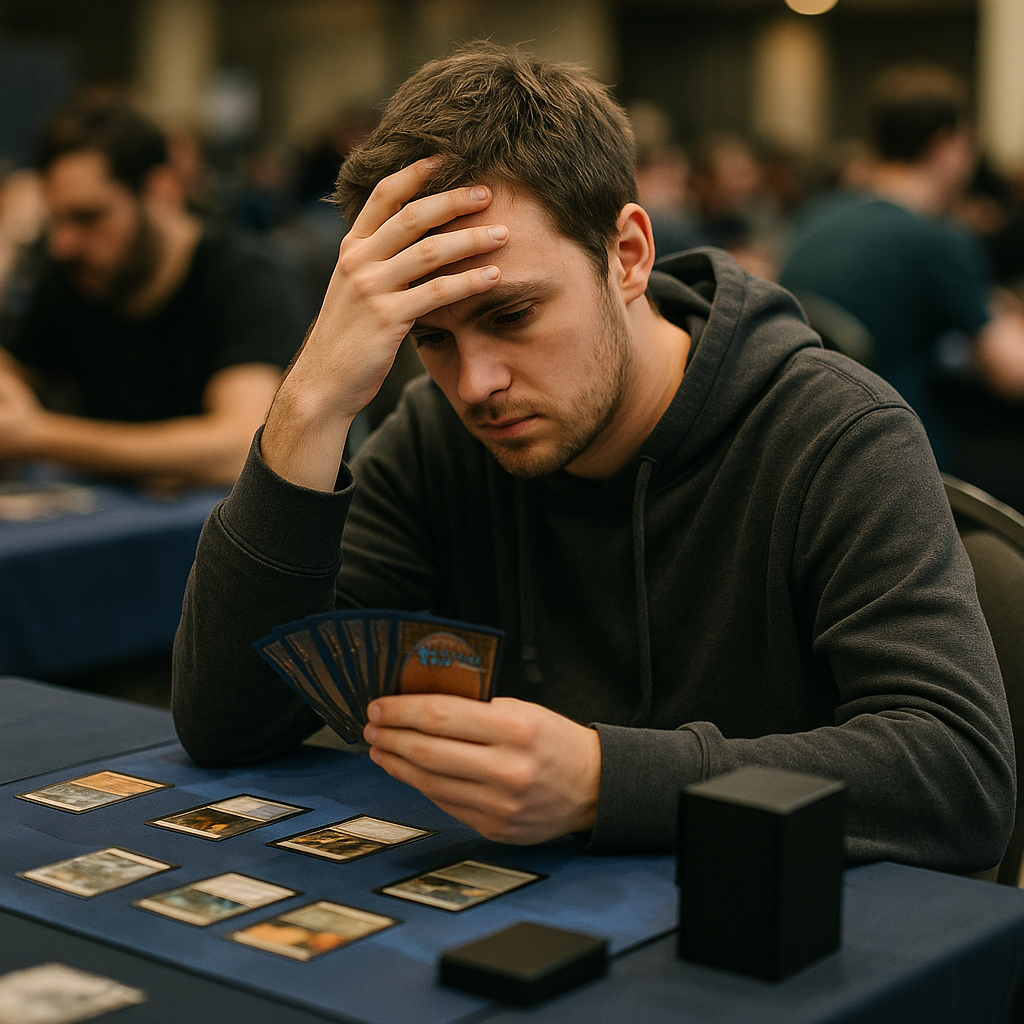
Magic: The Gathering (MTG) is a strategic card game that continually evolves through updates to its banned and restricted lists. These lists are crucial for maintaining balance across various formats by prohibiting or limiting cards that disrupt gameplay. The February 2026 bans represent a significant shift, impacting competitive play and player strategies.
Background: The Role of Banned and Restricted Lists
Banned and restricted lists in MTG serve as mechanisms to ensure fair play and balance. Cards are banned if they are excessively powerful or create an unbalanced gameplay experience. Restricting or banning cards can lead to shifts in the metagame, requiring players to adapt their strategies to remain competitive.
What Changed in February 2026?
While specific cards affected by the February 2026 bans have not been detailed in the available sources, the implications for competitive formats are substantial. Players in formats such as Standard, Modern, and Legacy may need to reevaluate their deck choices. A banned card can render a previously dominant deck less viable, compelling players to explore new strategies or refine existing ones.
Why It Matters for Competitive Play
The impact of these bans is profound for competitive play. The removal of certain cards from the pool can create opportunities for new decks to emerge, fostering diversity in gameplay. Players must remain vigilant and proactive in adapting their strategies to maintain their competitive edge.
Strategic Adjustments for Players
With changes to the banned list, players should consider several strategic adjustments:
- Deck Building: Players may need to find replacements for banned cards that maintain or enhance their deck's synergy and power.
- Metagame Analysis: Understanding how the bans affect the overall metagame is crucial. Players should analyze which decks are likely to rise in popularity and prepare accordingly.
- Testing and Practice: Regular playtesting with new deck configurations is essential to ensure competitiveness in tournaments.
Potential Effects on Card Values
The banning of certain cards can also influence their market value. Typically, banned cards experience a decrease in demand, leading to a drop in price. Conversely, cards that become more relevant due to the absence of banned cards may see a price increase. Collectors and investors should monitor these trends closely.
Community Reactions
The MTG community often has varied reactions to banned and restricted announcements. Some players welcome these changes as a means to refresh the game and promote diversity in deck building. Others may feel frustrated if their favorite decks are affected. Engaging with the community through forums and social media can provide valuable insights and support during these transitions.
Limitations and Uncertainties
While the announcement of the February 2026 bans is confirmed, specific details about which cards are affected remain unclear from the current sources. This uncertainty requires players to stay informed by checking official MTG announcements and community discussions for the latest updates.
Practical Takeaway for Players
For MTG players, staying adaptable is key. Regularly updating your knowledge about banned and restricted lists and understanding their impact on your preferred formats will help maintain your competitive edge. Engage with the community to share insights and strategies, and keep an eye on official announcements for the most accurate information.
Sources and Method
The analysis is based on the announcement of the February 2026 bans as reported by Evrim Ağacı. Additional insights into the potential impact on card prices were informed by Draftsim. The specific cards banned were not detailed in the sources, leaving some uncertainty that players should address by consulting official MTG resources.
Additional source links:
Why this matters
For readers following Impact of February 2026 MTG Bans on Competitive Play, the useful takeaway is not just the headline. The important part is understanding what the available report confirms, what it leaves open, and why later updates may change the picture.
This article keeps the wording cautious because the source material is the factual boundary. The added context is meant to help readers understand the development without turning early information into unsupported claims.
What is still unclear
The linked source does not answer every possible follow-up question. Timelines, official responses, wider impact, and next steps may need clearer reporting before readers can treat them as settled facts.
Where the evidence is limited, the safer reading is to treat the current details as a snapshot. That approach protects readers from overconfident summaries and keeps the post useful even as the story develops.
Comments
Post a Comment