The 2023 Monsoon Pause: A Critical Moment for India
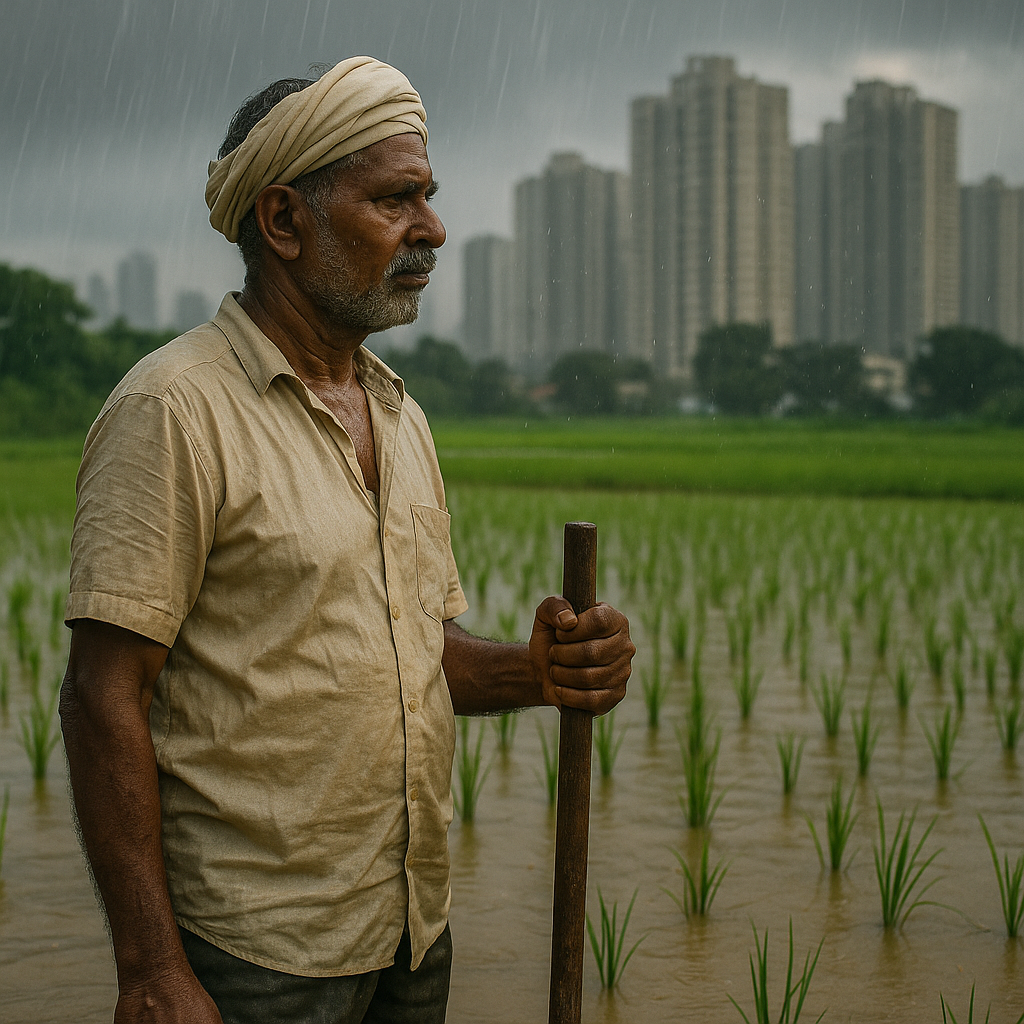
The monsoon season is a lifeline for India, with its arrival eagerly anticipated by farmers, urban planners, and policymakers alike. However, the 2023 monsoon has hit a pause, influenced by multiple weather systems, posing challenges and opportunities across various sectors. This article delves into the implications of these disruptions on agriculture, urban planning, and energy consumption.
Understanding the Monsoon Pause
India's monsoon has been disrupted by five weather systems, leading to a temporary pause in rainfall. This unusual pattern has significant implications for the country's agriculture, which relies heavily on timely and sufficient monsoon rains. The delay in rainfall can affect crop sowing schedules, potentially reducing yields and impacting food security.
Impact on Agriculture
Agriculture in India is predominantly rain-fed, making it highly vulnerable to fluctuations in monsoon patterns. The current pause in the monsoon can lead to delayed planting and reduced crop productivity. Farmers may need to adjust their strategies, such as changing crop varieties or investing in irrigation systems, to mitigate the effects of erratic rainfall.
Moreover, the uncertainty in rainfall patterns can lead to increased costs for farmers who may need to rely on artificial irrigation. This can strain financial resources, especially for smallholder farmers who form the majority of the agricultural sector in India.
Urban Planning Challenges
Urban areas face their own set of challenges during the monsoon season. The pause has resulted in high temperatures in regions like Delhi, increasing energy demand for cooling. Urban planners must consider these fluctuations when designing infrastructure and energy systems to ensure resilience against extreme weather conditions.
Additionally, the unpredictability of monsoon rains can complicate urban water management, necessitating more robust drainage systems to prevent flooding during sudden downpours.
Energy Consumption and Demand
The monsoon's advance has eased India's peak power demand, which reached a record high of 270.82 GW during the summer. This relief comes as cooler temperatures reduce the need for air conditioning. However, the pause in rainfall could lead to increased energy consumption if temperatures rise again, stressing the importance of adaptive energy policies.
Energy planners need to focus on sustainable sources and efficient distribution systems to manage these fluctuations effectively.
Flood Risks in Northeast India
While some regions experience high temperatures, others face flood alerts, particularly in Northeast India. This highlights the paradoxical nature of the current monsoon pattern, where different areas experience contrasting weather conditions. Effective flood management strategies are essential to protect communities and infrastructure.
Local governments must prioritize the development of early warning systems and community preparedness programs to mitigate the impacts of sudden floods.
Conservation Efforts in Gujarat
In response to the monsoon, Gujarat has shut national parks and sanctuaries for seasonal conservation. This proactive measure aims to protect wildlife and ecosystems during the monsoon, ensuring they remain resilient against changing weather patterns.
Such conservation efforts are crucial for maintaining biodiversity and supporting ecological balance, which can be disrupted by extreme weather conditions.
The Atlantic 'Cold Blob' Phenomenon
An Atlantic 'cold blob' may be influencing India's monsoon patterns, although its long-term impact remains unclear. This phenomenon could alter rainfall distribution, necessitating further research to understand its implications for future monsoons.
Scientists and meteorologists are closely monitoring these developments to provide more accurate forecasts and guidance for stakeholders.
What Readers Should Know
- The specific effects of the five weather systems causing the monsoon pause are not fully detailed.
- The long-term impact of the Atlantic 'cold blob' on monsoon patterns requires further investigation.
- Farmers and urban planners must adapt to changing weather conditions to mitigate risks.
Practical Takeaway for Stakeholders
For farmers, exploring drought-resistant crops and efficient irrigation techniques can help counteract the effects of delayed monsoon rains. Urban planners should prioritize sustainable infrastructure that can withstand extreme weather variations. Policymakers must focus on adaptive energy strategies to manage fluctuating demand.
Sources and Method
This analysis is based on reports from multiple reputable sources, including Down To Earth and NDTV. These sources provide a comprehensive view of the current monsoon conditions and their impacts.
Additional source links:
Why this matters
For readers following Impact of 2023 Monsoon Season on Indian Agriculture and Urban Planning, the useful takeaway is not just the headline. The important part is understanding what the available report confirms, what it leaves open, and why later updates may change the picture.
This article keeps the wording cautious because the source material is the factual boundary. The added context is meant to help readers understand the development without turning early information into unsupported claims.
Comments
Post a Comment