Understanding the Impact of Monsoon Floods in India
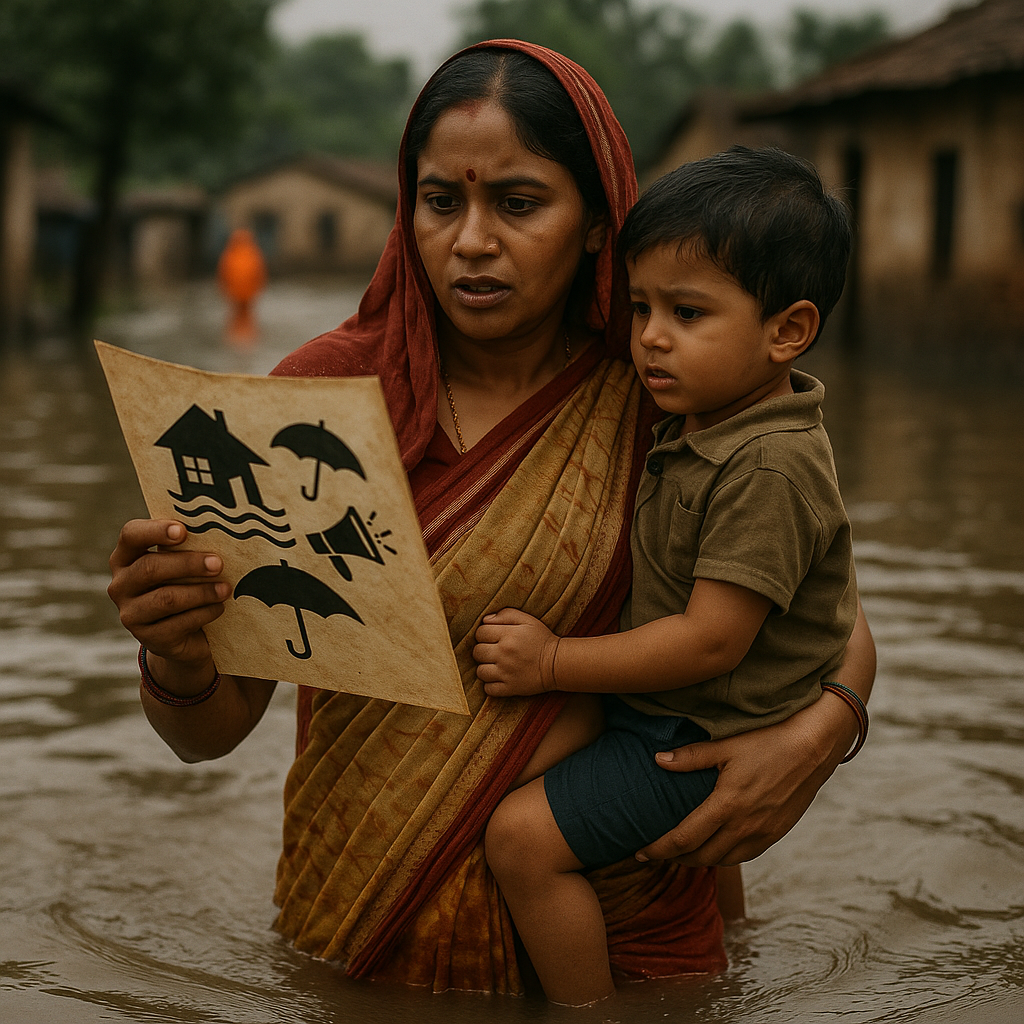
Monsoon season in India is a critical period that brings both benefits and challenges. While the rains are essential for agriculture and replenishing water resources, they also pose significant flood risks, particularly in low-lying and coastal regions. States like Kerala and Karnataka frequently face high alerts due to heavy rainfall forecasts from the Indian Meteorological Department (IMD). The situation is further complicated by infrastructure challenges, such as the recent crash of the Central Water Commission (CWC) website, which is vital for disseminating flood alerts.
Background on Monsoon Floods
India's diverse geography means that the impact of monsoon rains can vary significantly across different regions. Northern states often experience intense rainfall leading to overflowing rivers, while coastal areas are susceptible to cyclonic storms. These floods can disrupt daily life, damage property, and even result in loss of life. Understanding these risks is crucial for effective preparedness.
Essential Flood Preparedness Tips
Preparing for floods involves several proactive measures that can help minimize damage and ensure safety. Here are some essential tips for communities in flood-prone areas:
- Stay Informed: Regularly check weather updates from reliable sources such as the IMD and local news outlets. Despite digital infrastructure setbacks, these organizations provide crucial information.
- Create an Emergency Plan: Develop a clear plan for evacuation and communication with family members. Ensure everyone knows the safest routes and meeting points.
- Prepare an Emergency Kit: Assemble a kit with essentials like water, non-perishable food, medications, flashlights, batteries, and important documents.
- Protect Your Property: Use sandbags to divert water away from your home and elevate electrical appliances to prevent damage.
- Secure Important Documents: Keep copies of identification, insurance papers, and other vital documents in waterproof containers.
- Stay Away from Floodwaters: Avoid walking or driving through floodwaters, which can be deceptively deep and dangerous.
Challenges in Flood Warning Systems
The recent crash of the CWC website at the onset of the monsoon season has raised concerns about the reliability of digital flood warning systems. This incident underscores the need for robust infrastructure and alternative methods to disseminate critical information. The effectiveness of these systems during outages remains unclear, prompting discussions on how to improve resilience.
Role of Policymakers and Emergency Services
Policymakers and emergency services play a vital role in flood preparedness. Their responsibilities include:
- Enhancing Infrastructure: Investing in infrastructure improvements to ensure reliable communication and data dissemination during emergencies.
- Community Engagement: Conducting awareness programs and drills to educate residents about flood risks and safety measures.
- Coordination with Agencies: Collaborating with meteorological and water management agencies to provide accurate forecasts and timely alerts.
Limitations and Areas for Improvement
While efforts are being made to improve flood preparedness, there are still gaps in the system. The specific reasons for the CWC website crash are not detailed, and the effectiveness of alternative systems during outages is not fully covered. Residents and policymakers need to stay vigilant and explore additional methods of communication to ensure safety.
What Readers Should Watch Next
As the monsoon season progresses, readers should keep an eye on updates from the IMD and local authorities. Participation in community preparedness programs can also enhance personal and collective safety. Exploring technological solutions that offer real-time alerts and updates can be beneficial.
Sources and Method
The information in this article is based on factual reports from reliable sources, including Counterview and The Indian Express. These sources provide insights into current flood alerts and infrastructure challenges.
Additional source links:
Why this matters
For readers following Flood Preparedness: Comprehensive Guide for Indian Communities During Monsoon, the useful takeaway is not just the headline. The important part is understanding what the available report confirms, what it leaves open, and why later updates may change the picture.
This article keeps the wording cautious because the source material is the factual boundary. The added context is meant to help readers understand the development without turning early information into unsupported claims.
What is still unclear
The linked source does not answer every possible follow-up question. Timelines, official responses, wider impact, and next steps may need clearer reporting before readers can treat them as settled facts.
Where the evidence is limited, the safer reading is to treat the current details as a snapshot. That approach protects readers from overconfident summaries and keeps the post useful even as the story develops.
Comments
Post a Comment