Understanding Annapurna Yojana
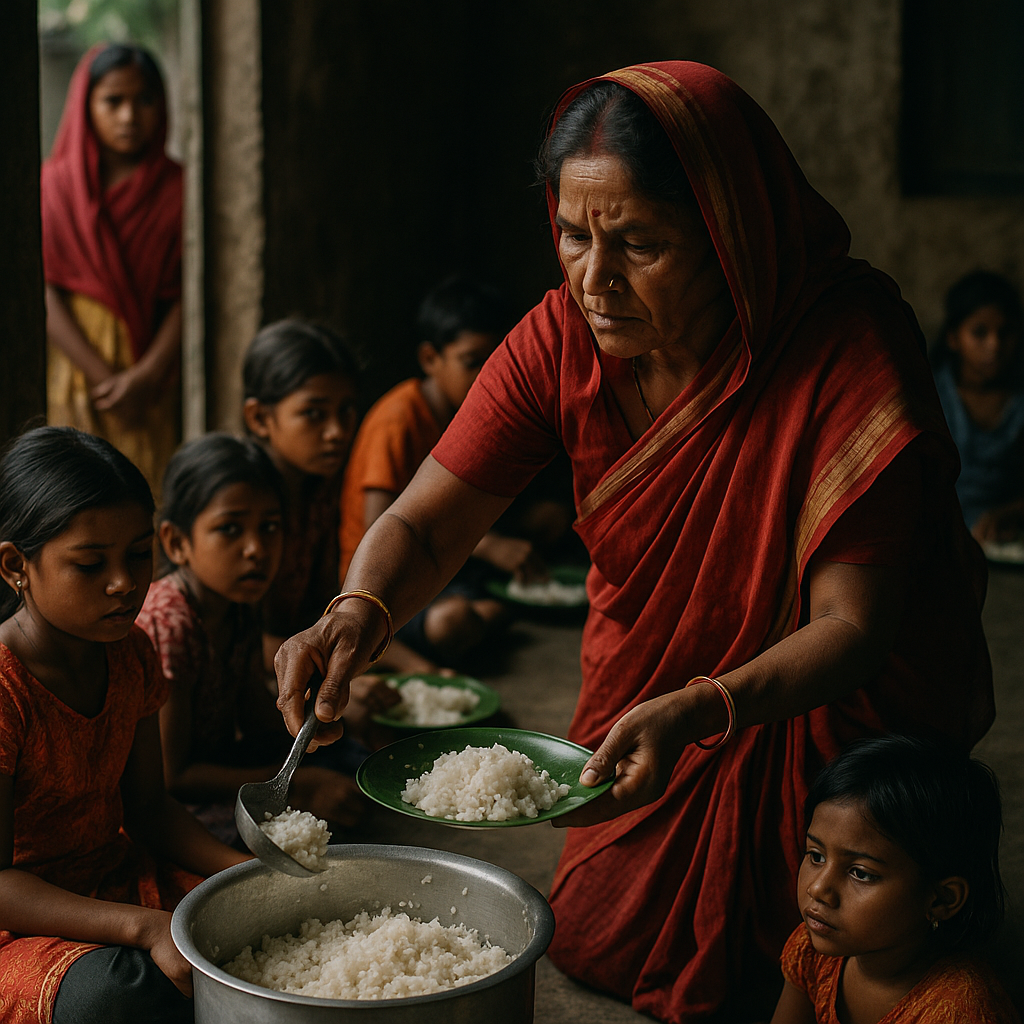
Annapurna Yojana is a government initiative aimed at enhancing food security by providing subsidized food grains to vulnerable sections of society. This scheme is part of India's broader efforts to tackle hunger and malnutrition, particularly in rural areas. Implemented across various states, its impact in regions like Bengal, where social challenges such as child marriage persist, is particularly noteworthy.
The Context of Food Security in India
India faces significant challenges in ensuring food security for its population. Despite being one of the largest producers of food grains, issues like poverty and distribution inefficiencies lead to widespread hunger and malnutrition. Government schemes like Annapurna Yojana aim to address these gaps by providing essential food supplies to those most in need.
The Annapurna Yojana specifically targets senior citizens and other vulnerable groups who might not have access to adequate nutrition. By ensuring a steady supply of food grains, the scheme seeks to alleviate the immediate pressures of food insecurity.
The Role of Annapurna Yojana in Bengal
Bengal, like many other states, grapples with social issues such as child marriage, often linked to economic hardship and lack of education. The Annapurna Yojana, by ensuring food security, can indirectly influence these social dynamics. When families have access to basic necessities, they may be less pressured to marry off their children at a young age due to financial constraints.
In Bengal, the implementation of Annapurna Yojana has been crucial in rural areas where poverty is more pronounced. The scheme provides a safety net that can help stabilize communities and reduce the economic pressures that contribute to social issues like child marriage.
Challenges in Implementation
While Annapurna Yojana has the potential to make a significant impact, its success depends heavily on effective implementation. Challenges such as bureaucratic hurdles, corruption, and logistical issues can impede the distribution of food grains. Ensuring transparency and efficiency in the process is crucial for the scheme to achieve its intended outcomes.
In Bengal, logistical challenges include reaching remote areas and ensuring that food grains are distributed fairly and without delay. Corruption at various levels can also divert resources away from those who need them most, undermining the scheme's effectiveness.
Impact on Child Marriage
Child marriage remains a pressing issue in Bengal despite existing social schemes. The Annapurna Yojana, by alleviating some economic pressures, could contribute to reducing child marriage rates. However, the direct correlation between food security and child marriage is complex and influenced by various socio-economic factors.
While access to food can reduce immediate economic pressures, addressing child marriage requires a multi-faceted approach that includes education and community awareness. The Annapurna Yojana can be part of this broader strategy by providing economic relief.
Benefits of Annapurna Yojana
- Improved Nutrition: Access to subsidized food grains can significantly improve nutritional intake among vulnerable populations.
- Economic Relief: By reducing the cost burden of food, families can allocate resources to other areas, potentially reducing the incidence of child marriage.
- Social Stability: Ensuring food security can contribute to broader social stability, reducing the likelihood of social unrest.
Limitations and Considerations
While Annapurna Yojana is a step in the right direction, its impact on complex social issues like child marriage is not straightforward. The scheme addresses immediate food needs but does not directly tackle the root causes of child marriage, such as poverty and lack of education.
Moreover, the effectiveness of the scheme can vary significantly depending on local governance and the efficiency of distribution networks. Continuous monitoring and evaluation are necessary to ensure that the benefits reach the intended recipients.
What Readers Should Watch Next
For those interested in the intersection of social policy and development, monitoring the implementation of Annapurna Yojana in Bengal can provide insights into how government schemes can be optimized. Observing how local governments address logistical challenges and corruption can offer lessons for similar initiatives elsewhere.
Additionally, keeping an eye on complementary programs that address education and economic empowerment will be crucial in understanding the broader impact on social issues like child marriage.
Sources and Method
This analysis draws on information from various News18 Bengali articles discussing social issues in Bengal, including child marriage and government schemes. These articles provide context on the challenges faced by the state and the potential role of initiatives like Annapurna Yojana. Relevant sources include: News18 Bengali, News18 Bengali.
Additional source links:
Comments
Post a Comment