Eid ul Adha Ki Namaz: Why This Prayer Matters
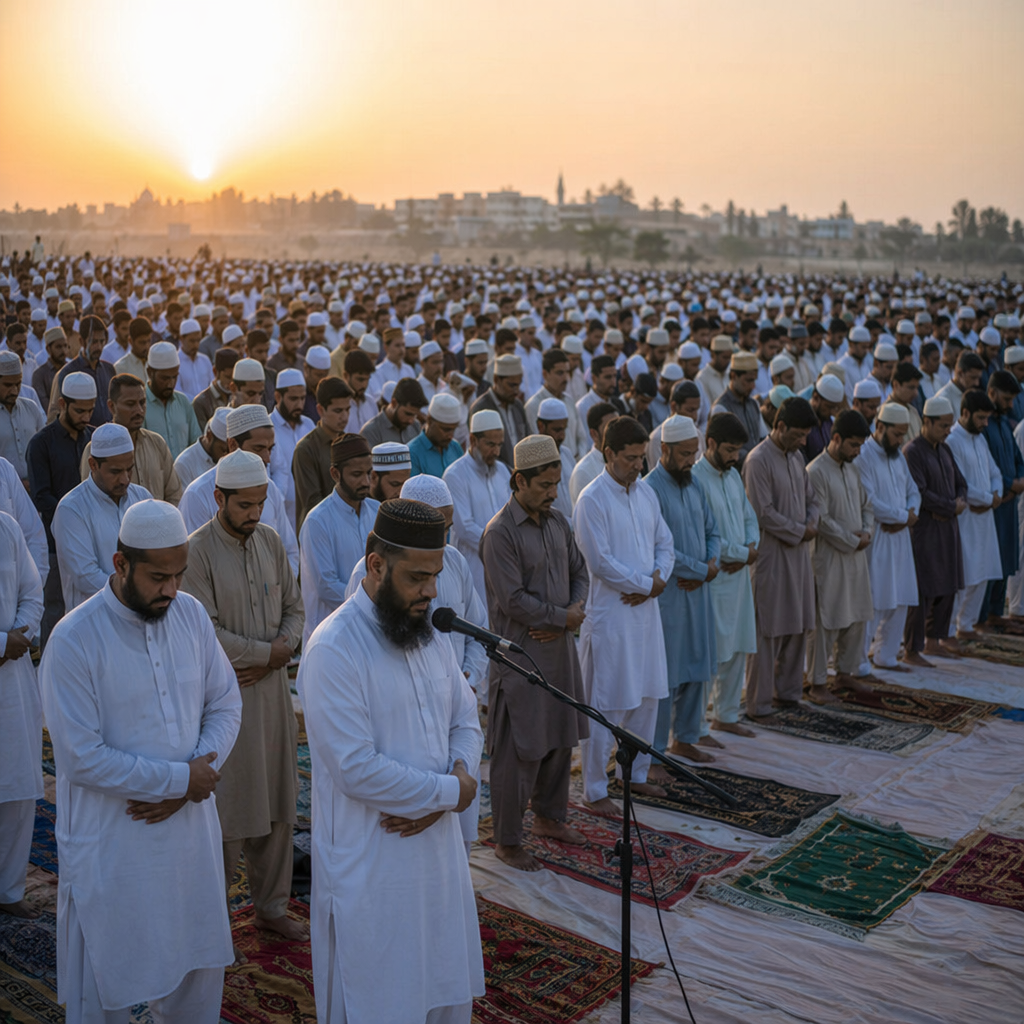
Eid ul Adha ki namaz is one of the most recognisable public acts of worship in the Islamic calendar, bringing together families, neighbourhoods and large congregations soon after sunrise. In India and across South Asia, the phrase is widely searched because worshippers want clear information on prayer timing, the method of performing the prayer, the role of the khutbah, and practical arrangements for mosques and Eidgahs.
Eid ul Adha, also known as Bakrid in many parts of India, falls on the 10th day of Dhul Hijjah, the final month of the Islamic lunar calendar. Its exact date varies by country because the Islamic calendar is based on lunar sighting or officially adopted lunar calculations. The day is linked to the Hajj pilgrimage in Saudi Arabia and to the tradition of sacrifice associated with Prophet Ibrahim, known in Islamic tradition for his obedience to God.
The prayer itself is short, but it carries important religious and social meaning. It is generally performed in congregation after sunrise and before the time of Dhuhr prayer begins. In most communities, the prayer is followed by a sermon, or khutbah, and then by greetings, family visits and, where applicable, the qurbani or udhiyah sacrifice.
What Is Eid ul Adha Ki Namaz?
Eid ul Adha ki namaz is a special congregational prayer offered on the morning of Eid ul Adha. It is different from the five daily prayers because it includes additional takbirs, meaning extra declarations of “Allahu Akbar.” The prayer is traditionally performed in two rakats, followed by the khutbah delivered by the imam.
Islamic schools of jurisprudence differ in some details, including whether Eid prayer is considered wajib, sunnah mu’akkadah or fard kifayah. In everyday practice, most Muslims treat it as a highly emphasised act of worship and make arrangements to attend unless prevented by illness, travel difficulty or another genuine reason.
Many congregations are held in Eidgahs, large open grounds traditionally used for Eid prayers, because they can accommodate more people than a neighbourhood mosque. In cities, local administrations and mosque committees often coordinate traffic routes, crowd flow and separate arrangements for women where such facilities are available.
When Is Eid ul Adha Prayer Performed?
The usual time for Eid ul Adha ki namaz begins after sunrise has fully risen above the horizon, commonly understood as around 15 to 20 minutes after sunrise, and continues until just before Dhuhr time. Local mosques announce exact times based on local sunrise and community arrangements.
For Eid ul Adha, many scholars recommend performing the prayer earlier than Eid ul Fitr prayer. The practical reason is that the qurbani sacrifice, where observed, is performed after the Eid prayer. By holding the prayer early, communities have more time for the sacrifice, distribution of meat and family obligations during the day.
Because India is geographically large, Eid prayer timings differ significantly from city to city. A congregation in Guwahati will not follow the same sunrise time as one in Mumbai, Delhi, Bengaluru or Srinagar. Worshippers should rely on local mosque announcements, verified Islamic organisations in their city, or officially circulated timetables from recognised religious bodies.
How to Perform Eid ul Adha Ki Namaz
The exact method can vary slightly between Hanafi, Shafi‘i, Maliki and Hanbali traditions. In India, many mosques follow the Hanafi method, though worshippers should follow the imam leading their congregation. The most important point is unity behind the imam and avoiding confusion during the prayer.
A common Hanafi method is as follows:
- Make the intention in the heart for two rakats of Eid ul Adha prayer behind the imam.
- After the opening takbir, recite the opening supplication quietly.
- The imam then calls additional takbirs. Worshippers raise their hands with each takbir and follow the imam.
- The imam recites Qur’an aloud in the first rakat, then completes ruku and sujood as in regular prayer.
- In the second rakat, the imam recites Qur’an aloud and then calls additional takbirs before ruku, depending on the local method followed.
- The prayer ends with tashahhud, durood, dua and salam, as in other two-rakat prayers.
In many South Asian mosques following the Hanafi practice, there are six extra takbirs: three in the first rakat after the opening supplication and three in the second rakat before going into ruku. In other traditions, the number and placement of extra takbirs may differ. Worshippers who are unsure should simply follow the imam’s movements.
Role of the Khutbah After Eid Prayer
The khutbah is an important part of the Eid gathering. Unlike Jumu‘ah prayer, where the khutbah comes before the prayer, the Eid khutbah comes after the two-rakat prayer. The imam usually reminds the congregation about gratitude, sacrifice, compassion, family duties, lawful qurbani practices and care for the poor.
Although many people leave immediately after the prayer, scholars commonly encourage worshippers to remain seated and listen to the khutbah. The sermon helps place the celebration in its moral and spiritual context. It also allows mosque committees to share practical instructions, such as distribution arrangements, sanitation guidance and community announcements.
2024-2026 Dated Context: Why the Search Remains Important
The interest in eid ul adha ki namaz is not just seasonal curiosity. It reflects the practical need for local, date-sensitive information. According to the Google Trends RSS feed for India referenced in this topic, the term “eid ul adha ki namaz” appeared as a trending search item, indicating that users were looking for timely guidance on the prayer and related arrangements.
Several dated facts from 2024 to 2026 help explain why the topic remains important:
First, the Saudi Press Agency reported in June 2024 that Hajj 1445 AH included more than 1.8 million pilgrims, showing the global scale of Dhul Hijjah observances linked to Eid ul Adha. While Hajj is performed only in Saudi Arabia, Eid ul Adha is observed worldwide by Muslim communities on or around the same lunar period.
Second, India’s Ministry of Minority Affairs announced arrangements for Hajj 2024 through the Haj Committee of India, with official guidance on applications, travel and pilgrim services. These official processes increased public attention around Dhul Hijjah, Hajj and Eid-related observances.
Third, the Central Ruet-e-Hilal Committee in Pakistan announced in June 2024 that Eid ul Adha would be observed on June 17, 2024, after the sighting of the Dhul Hijjah moon. This example illustrates how national moon-sighting bodies determine Eid dates in many countries.
Fourth, in Saudi Arabia, the Supreme Court traditionally calls for moon sighting testimony to determine the beginning of Dhul Hijjah. Such announcements affect the dates of Arafat Day and Eid ul Adha in the kingdom and are closely followed by Muslims worldwide.
Fifth, Google Trends data for India in 2024-2026 continues to show spikes in searches for festival-related prayer terms around major religious dates. The trend feed provided for this article specifically identifies “eid ul adha ki namaz” as a search topic, which is why practical, neutral and accurate guidance remains useful for readers.
Before Leaving for Eid Namaz
Preparation for Eid ul Adha prayer begins before reaching the mosque or Eidgah. Many worshippers bathe, wear clean or special clothes, apply perfume where culturally appropriate, and leave early to avoid congestion. It is also common to recite takbir while going to the prayer place, especially from Fajr on the day of Eid.
For Eid ul Fitr, Muslims give zakat al-fitr before the prayer. For Eid ul Adha, the focus after prayer is often qurbani, though charity and assistance to the needy remain important. Families should plan the day carefully so that the prayer, sacrifice, distribution and visits are handled respectfully and lawfully.
Local rules must also be followed. In Indian cities, municipal bodies and police departments may issue traffic advisories, identify designated prayer grounds, and regulate animal markets or slaughter arrangements. Residents should rely on official local notices rather than unverified social media posts.
Can Eid ul Adha Namaz Be Prayed at Home?
The standard practice is to perform Eid ul Adha prayer in congregation. However, questions about praying at home became more common during the COVID-19 pandemic, when restrictions affected public gatherings in several countries. Since then, many people still ask what to do if they miss the congregation or cannot attend.
Scholarly answers vary. Some scholars permit a person or family to perform Eid prayer at home in exceptional circumstances, while others advise praying optional prayer instead if the official congregation is missed. The safest approach for a worshipper is to consult a trusted local scholar or follow the guidance of the mosque they normally attend.
If a person is sick, elderly, caring for someone vulnerable or facing travel constraints, Islam’s broader legal tradition recognises genuine hardship. The emphasis should remain on sincerity, lawful conduct and respect for local scholarly guidance.
Women and Eid ul Adha Prayer
Women’s attendance at Eid prayer varies by region, mosque capacity and local custom. In many communities, women attend Eidgahs or mosques where separate prayer spaces and facilities are arranged. In other places, limited space means women pray at home or attend larger venues that can accommodate families.
Where women’s arrangements are available, organisers should provide clear entry points, safe access, sanitation and crowd management. Families should check in advance whether the venue has designated spaces for women and children. This reduces confusion on Eid morning, especially when large crowds gather within a short time window.
Qurbani and Its Link With Eid Prayer
Qurbani, also called udhiyah, is associated with Eid ul Adha but is separate from the prayer itself. In many communities, the sacrifice is performed only after Eid prayer. This is why prayer timing is important: a sacrifice performed before the valid time may not fulfil the intended religious requirement according to many scholars.
Rules for eligible animals, sharing, distribution and timing vary by school of thought. In India, the legal and civic aspects also matter. Animal welfare laws, municipal sanitation rules, transport regulations and local administration orders must be followed. People should use lawful facilities and avoid public inconvenience, unsafe disposal or unverified claims about permissions.
Common Mistakes to Avoid
Many difficulties on Eid morning are avoidable with planning. One common mistake is arriving late and missing the first rakat or the whole prayer. Another is arguing over the number of takbirs. Since valid scholarly differences exist, worshippers should follow the imam rather than disrupt the congregation.
A third mistake is leaving during the khutbah without necessity. Although circumstances differ, the sermon is part of the Eid gathering’s guidance. A fourth is relying on forwarded messages for prayer timings. Because timings are local, a message from another city can cause confusion.
Finally, qurbani arrangements should not overshadow the prayer’s purpose. Eid ul Adha is not only a day of meat distribution or social visits. It is a day centred on worship, obedience, charity and gratitude.
How Mosques and Eidgahs Manage Large Gatherings
Large Eid congregations require coordination. Mosque committees often arrange mats, sound systems, drinking water, first-aid support and volunteer lines for entry and exit. In major cities, police and traffic departments may divert vehicles near Eidgahs for a few hours. These arrangements are meant to prevent overcrowding and help families attend safely.
Organisers should announce the prayer time clearly, including whether there will be multiple jamaats. They should also communicate parking restrictions and weather-related changes. During the monsoon season in parts of India, open-ground Eid prayers may shift to mosques or covered halls if rain makes Eidgahs unusable.
A Practical Summary for Worshippers
For most readers, the essential guidance is straightforward: confirm the local Eid date, check the prayer time from a trusted mosque or Eidgah, arrive early, follow the imam, listen to the khutbah and complete qurbani only in a lawful and hygienic manner after the prayer. The details of takbirs may vary, but the congregation’s unity is more important than individual preference.
Eid ul Adha ki namaz is brief in duration but wide in meaning. It connects the worshipper to the days of Dhul Hijjah, the memory of Prophet Ibrahim, the global Hajj season and the local community gathered shoulder to shoulder. With accurate timing, respectful conduct and reliable guidance, the prayer becomes the calm and disciplined beginning of a significant day.
Comments
Post a Comment