Introduction: A New Era for Mental Health in Indian Schools
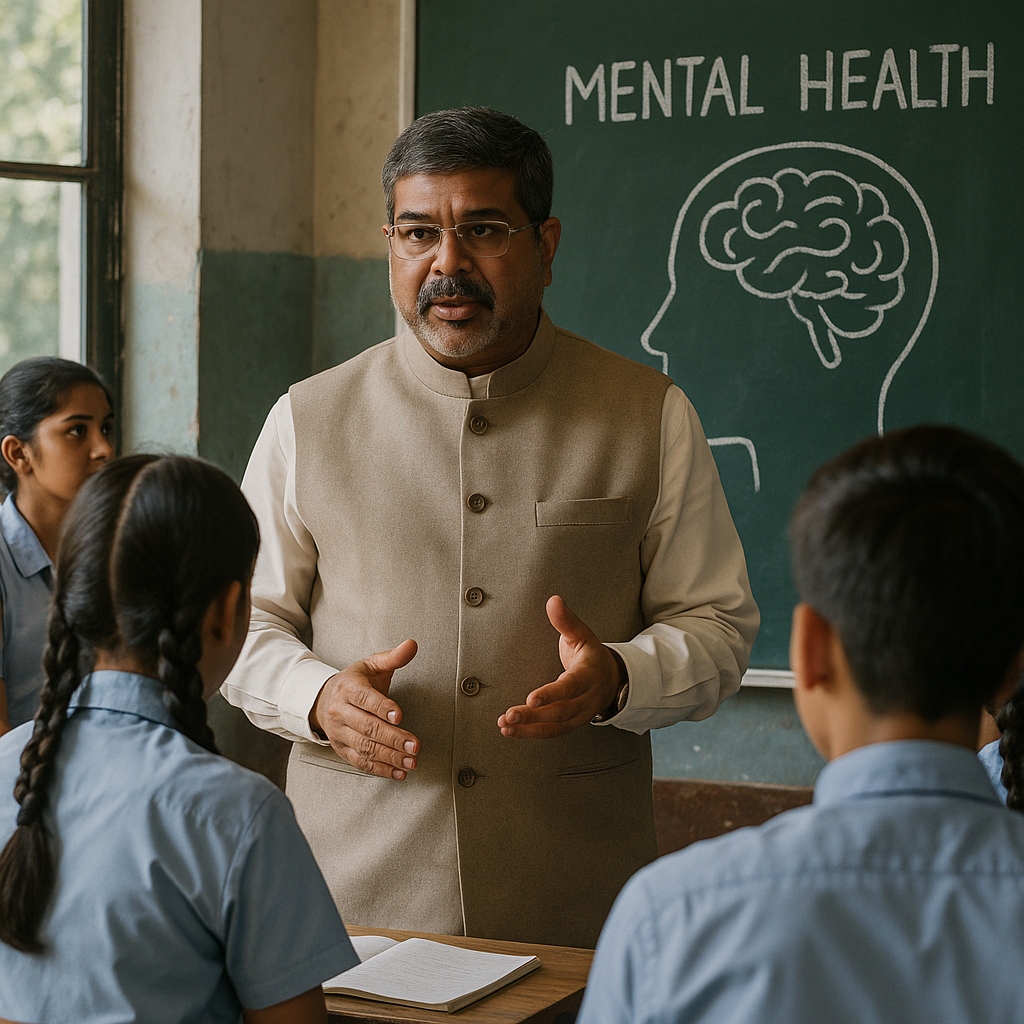
India's educational landscape is undergoing a transformative shift with the introduction of policies aimed at enhancing mental health support in schools. Spearheaded by Education Minister Dharmendra Pradhan, these initiatives focus on improving student well-being, a crucial aspect often overshadowed by academic achievements. This article delves into the details of these initiatives, their potential impact, and the challenges they face.
Background: The Growing Need for Mental Health Support
Mental health in educational settings has become an increasingly important topic globally. In India, the pressures of academic success, societal expectations, and competitive environments contribute to stress and anxiety among students. Recognizing these challenges, the Indian government has started to address mental health as a priority within schools. This move aligns with global trends where mental health is being integrated into educational frameworks to promote holistic development.
Dharmendra Pradhan's Vision for Mental Health
As the Education Minister of India, Dharmendra Pradhan has taken a proactive stance in addressing mental health issues within the educational framework. His recent review of a draft mental health policy for schools underscores the government's commitment to fostering a supportive environment for students. Pradhan's vision is to integrate mental health support into the fabric of educational institutions, making it a fundamental component of student development.
The Draft Mental Health Policy: Key Focus Areas
The draft policy, as reviewed by Pradhan, places a strong emphasis on student well-being. While specific details about the policy's content are not fully disclosed, the focus is clear: to create a nurturing atmosphere that addresses the mental health needs of students, potentially reducing stress and anxiety prevalent in academic settings. The policy aims to provide frameworks for schools to implement mental health programs and resources effectively.
Why Mental Health in Schools Matters
Mental health is a critical component of a student's overall development. With increasing academic pressures, students often face stress, anxiety, and other mental health challenges. Addressing these issues is essential for creating a balanced educational experience that promotes both academic and personal growth. By prioritizing mental health, schools can foster environments where students feel supported and are better equipped to succeed.
Challenges in Implementing Mental Health Policies
Implementing mental health policies in schools is not without challenges. Key issues include:
- Resource Allocation: Ensuring adequate funding and resources to support mental health programs.
- Training Educators: Providing teachers and staff with the necessary training to identify and address mental health issues.
- Stigma Reduction: Overcoming societal stigma associated with mental health to encourage open discussions.
Potential Impact on Students
If effectively implemented, the mental health policy could have far-reaching impacts on students. These include improved academic performance, better coping strategies, and a reduction in dropout rates due to mental health issues. Such outcomes would not only benefit individual students but also enhance the overall educational environment, contributing to a more inclusive and supportive school culture.
Global Perspectives: Learning from Other Countries
India's approach to mental health in education can benefit from examining successful models in other countries. Nations like Finland and Canada have integrated mental health education into their curricula, providing valuable insights into effective strategies. These countries have demonstrated the importance of early intervention and comprehensive support systems in schools.
Limitations and Areas for Improvement
While the initiative is promising, several aspects remain unclear. The specifics of the policy, including its implementation strategy and funding sources, are yet to be detailed. Additionally, the success of these initiatives depends on the collaboration between government bodies, educational institutions, and mental health professionals. Continuous evaluation and adaptation of the policy will be necessary to ensure its effectiveness.
What Readers Should Watch Next
Stakeholders in the education sector, including students, educators, and parents, should stay informed about these developments to understand how they might be affected. Monitoring the rollout of the policy and its impact on schools will be crucial. Advocating for transparency and engagement with policymakers can help ensure that the needs of students are met effectively.
Sources and Method
This analysis is based on information from Telegraph India and additional context from News On AIR.
Practical Takeaway for Readers
For students, educators, and parents, staying engaged with the evolving educational policies is crucial. Understanding the implications of mental health initiatives can help in advocating for necessary resources and support systems within schools. By fostering open discussions about mental health, stakeholders can contribute to a more inclusive and supportive educational environment.
Additional source links:
Comments
Post a Comment