The Push for Rural Development in India
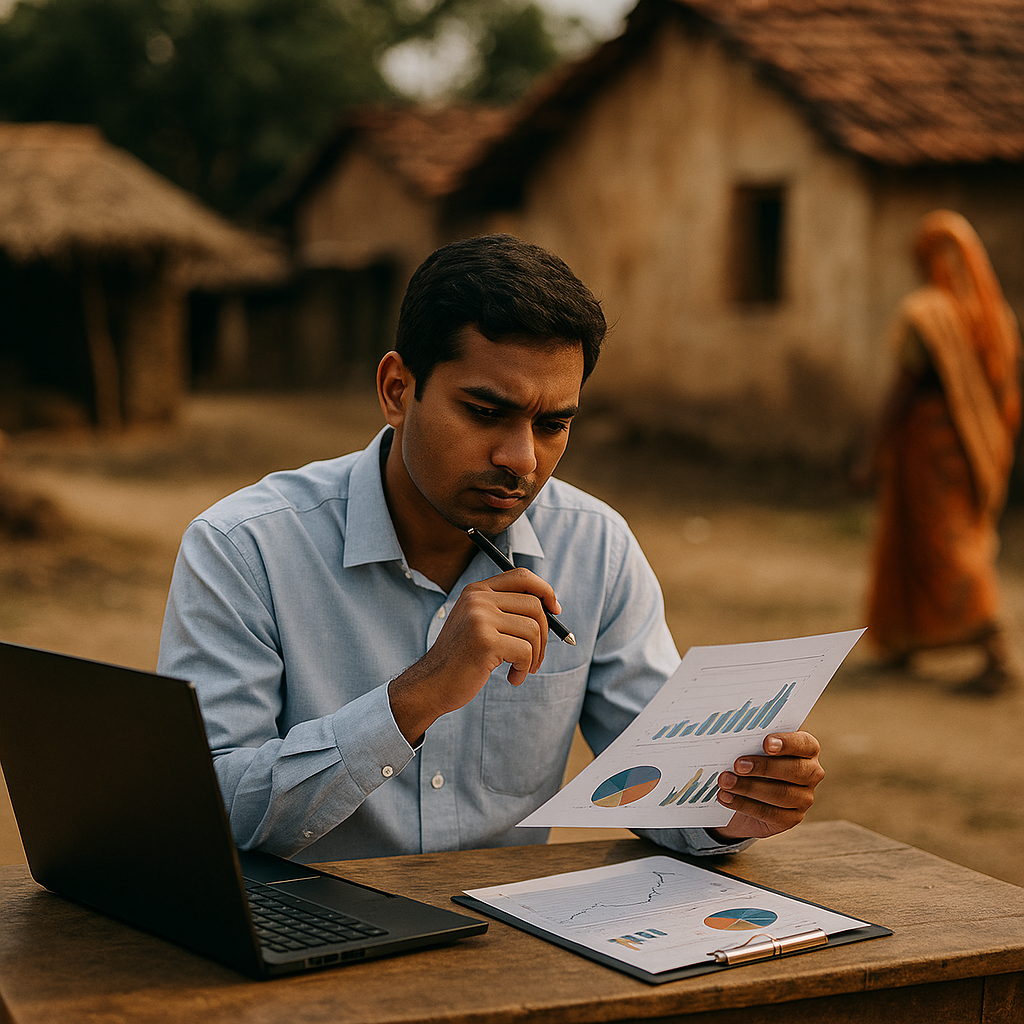
India's rural development has been a focal point for policymakers aiming to transform the nation into a more equitable and prosperous society. With over 65% of the population residing in rural areas, the government's initiatives in this sector are crucial for national progress. Recently, the "Rashtriya Gramin Vikas Sammelan" chaired by Union Minister Shivraj Singh Chouhan emphasized the theme "Developed Villages – Developed India," highlighting a shared roadmap for sustainable development.
Background: The Importance of Rural Development
Rural development in India is not just a matter of economic growth; it is a critical component of social equity and national integration. Historically, rural areas have lagged behind urban centers in terms of infrastructure, education, and healthcare. Addressing these disparities is essential for achieving balanced national progress. The government has recognized this need, and various initiatives have been launched to bridge the gap.
Key Initiatives and Their Objectives
The Indian government has launched several initiatives to address the diverse needs of rural communities. These include infrastructure development, agricultural support, skill enhancement, and digital inclusion. A noteworthy recent development is the launch of an AI-enabled Rural Internal Audit Portal designed to enhance transparency and efficiency in rural governance. This portal is expected to streamline processes and ensure accountability in the implementation of rural projects.
AI-Enabled Tools for Transparency
The introduction of AI tools in rural development marks a significant step towards modernizing governance. The AI-enabled Rural Internal Audit Portal aims to streamline processes and ensure accountability in the implementation of rural projects. This initiative reflects the government's commitment to leveraging technology for better governance. By automating audit processes, the portal can potentially reduce human errors and increase the speed of data processing.
Challenges in Implementation
While the initiatives are ambitious, several challenges persist. The successful implementation of AI tools depends on factors such as digital literacy, infrastructure availability, and data privacy concerns. Moreover, the effectiveness of these tools in achieving the desired transparency and efficiency is yet to be fully assessed. Rural areas often face connectivity issues, which can hinder the deployment of digital solutions.
Impact on Local Communities
Local communities stand to benefit significantly from these initiatives. Improved infrastructure and transparent governance can lead to better access to services and opportunities. However, the actual impact will depend on how well these initiatives are implemented and the extent to which they address the unique needs of each community. Tailoring solutions to local contexts is crucial for maximizing benefits.
Focus on Women's Empowerment
Women's empowerment is a critical aspect of rural development. The SARAS Aajeevika initiative, showcased at the Rashtriya Gramin Vikas Sammelan, highlights the role of women-led enterprises in driving economic growth in rural areas. Supporting women entrepreneurs can have a multiplier effect, enhancing household incomes and community well-being. Empowering women can lead to broader social changes, including improved health and education outcomes.
Monitoring and Evaluation
Effective monitoring and evaluation mechanisms are essential to assess the impact of these initiatives. The government needs to establish clear metrics and regularly review progress to ensure that the objectives of rural development programs are being met. Transparent reporting and feedback loops can help refine strategies and improve outcomes over time.
What Readers Should Watch Next
- Updates on the implementation and outcomes of the AI-enabled Rural Internal Audit Portal.
- Further policy announcements related to rural infrastructure and digital inclusion.
- Case studies or reports on the impact of women's empowerment initiatives like SARAS Aajeevika.
Limitations and Areas for Improvement
While the initiatives are promising, specific outcomes or metrics of success for the AI-enabled portal have not been detailed. Additionally, the roadmap for "Developed Villages – Developed India" lacks clarity on implementation strategies and timelines. Addressing these gaps will be crucial for achieving the desired impact.
Sources and Method
This analysis is based on information from reputable sources, including the Press Information Bureau and OpenGov Asia. These sources provide consistent information on the government's efforts and ongoing projects in rural development.
Additional source links:
Why this matters
For readers following Analyzing India's Rural Development Initiatives: Progress and Challenges, the useful takeaway is not just the headline. The important part is understanding what the available report confirms, what it leaves open, and why later updates may change the picture.
This article keeps the wording cautious because the source material is the factual boundary. The added context is meant to help readers understand the development without turning early information into unsupported claims.
Comments
Post a Comment