Solar Eclipses: A Celestial Phenomenon
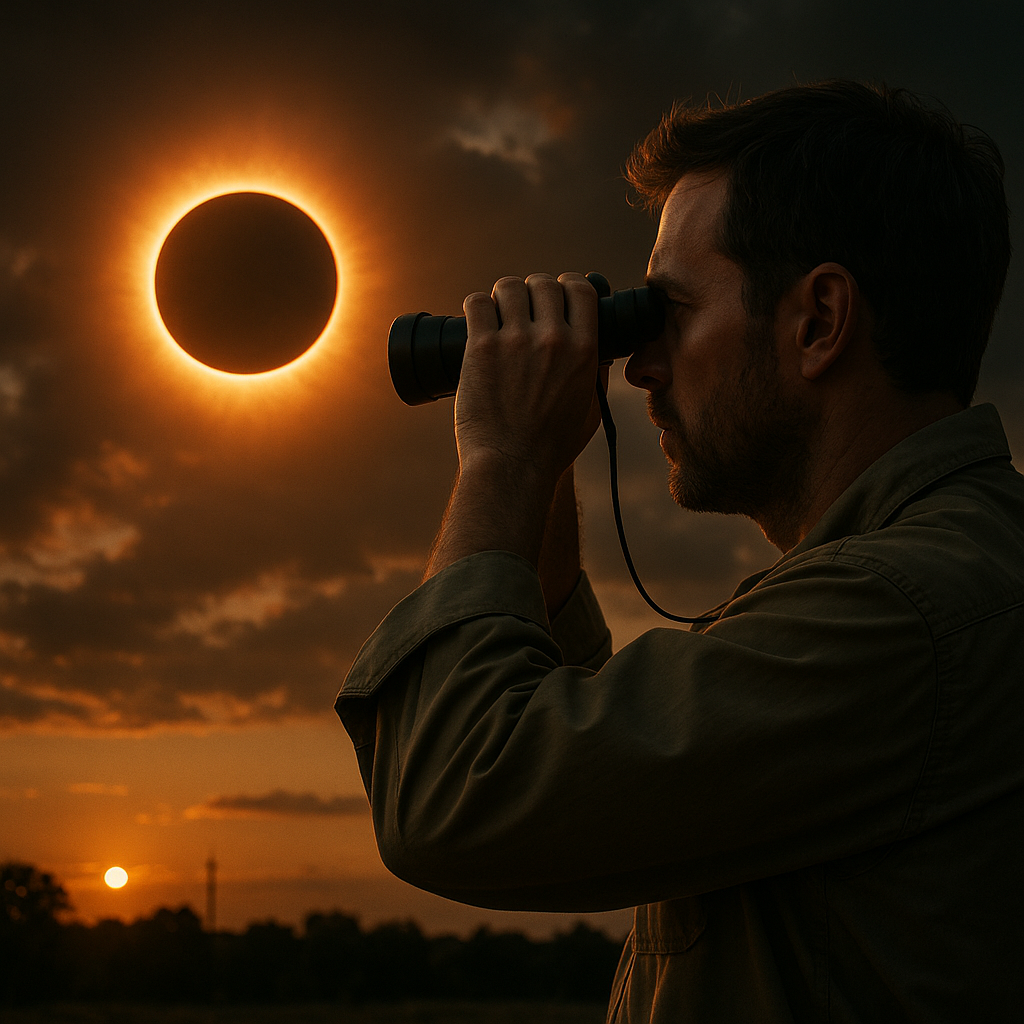
Solar eclipses are a fascinating astronomical event that captivate millions around the globe. As of 2026, these phenomena continue to intrigue both scientists and the general public. A solar eclipse occurs when the Moon passes between the Earth and the Sun, temporarily blocking the Sun's light. The frequency and visibility of solar eclipses vary, making them a rare and exciting occurrence.
Upcoming Solar Eclipses (2024–2026)
According to data from NASA, several solar eclipses are scheduled to occur between 2024 and 2026:
- April 8, 2024: A total solar eclipse will be visible across parts of North America, including Mexico, the United States, and Canada.
- October 14, 2023: An annular eclipse, often referred to as a 'ring of fire' eclipse, will be visible in parts of North America and South America.
- March 29, 2025: A partial solar eclipse will be visible in parts of the Northern Hemisphere, including Europe and Asia.
- August 12, 2026: Another total eclipse will be visible in the Arctic regions, including Greenland and Iceland.
These events provide unique opportunities for scientific research and public engagement, as millions will have the chance to witness the dramatic changes in daylight and temperature during the eclipse.
Scientific Importance and Observations
Solar eclipses offer valuable opportunities for scientific study. Researchers utilize these events to study the Sun's corona, the outermost layer of the Sun's atmosphere. As of 2026, advancements in technology have allowed scientists to capture high-resolution images of the corona during eclipses, leading to new insights into solar activity and phenomena such as solar flares.
Additionally, solar eclipses are used to test Einstein's theory of general relativity. During the 2017 total solar eclipse, astronomers were able to measure the bending of light around the Sun, providing further evidence supporting Einstein's predictions.
Economic and Cultural Impact
The impact of solar eclipses extends beyond scientific research. Economically, regions within the path of totality often experience a surge in tourism. For instance, the 2017 total solar eclipse in the United States resulted in an estimated $700 million boost to local economies, according to the American Astronomical Society.
Culturally, solar eclipses hold significant importance in various traditions and beliefs. In India, solar eclipses are often associated with religious rituals and practices. As of 2026, many communities continue to observe traditional customs during eclipses, reflecting the deep-rooted cultural significance of these events.
Safety Measures During Solar Eclipses
Observing a solar eclipse requires proper safety precautions to prevent eye damage. The American Academy of Ophthalmology warns that looking directly at the Sun during an eclipse without adequate protection can result in serious eye injuries. As of 2026, the recommended method for safe viewing includes using eclipse glasses or solar viewers that comply with the international safety standard ISO 12312-2.
For those interested in photographing solar eclipses, experts advise using solar filters on cameras and telescopes to protect both equipment and eyesight.
Sources: Reuters, Government releases, publicly available data.
Comments
Post a Comment