The Rise of the Indian Political Action Committee
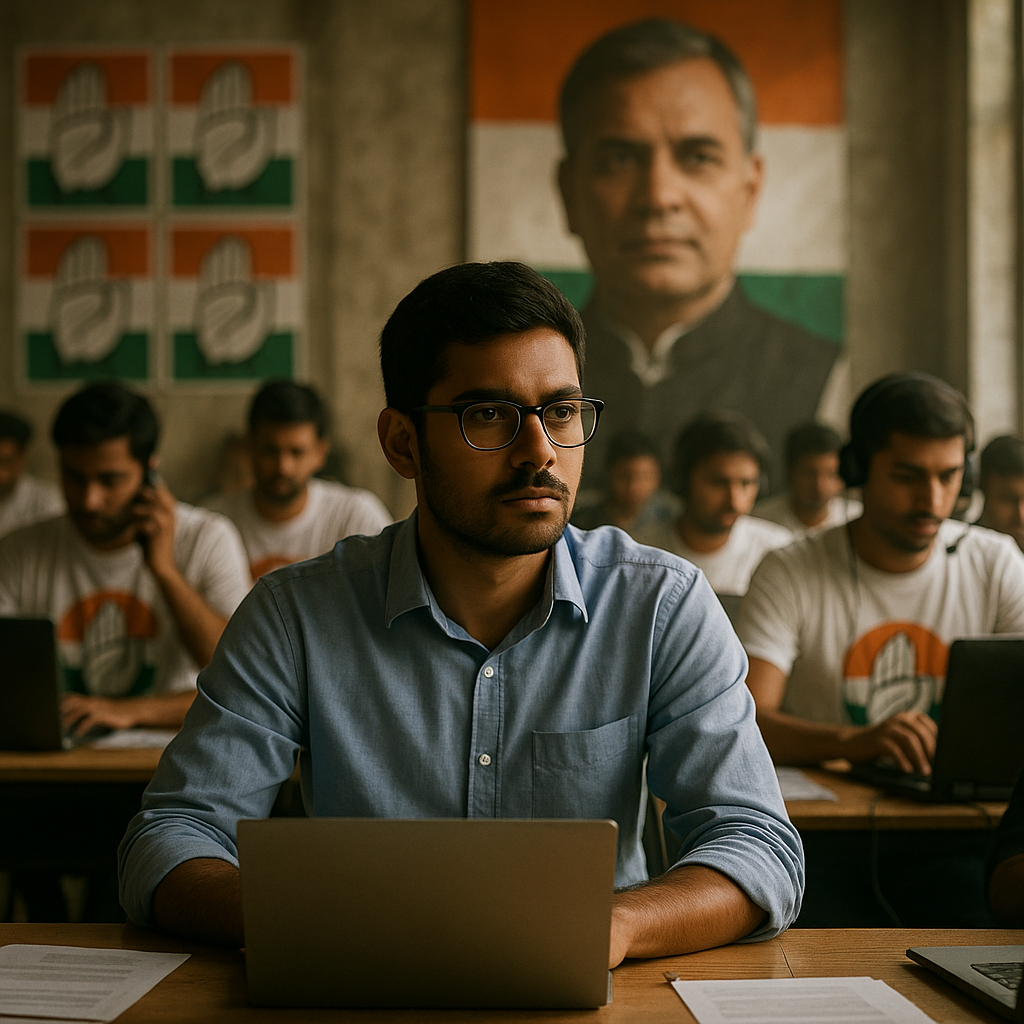
As of 2026, the Indian Political Action Committee (I-PAC) has become a significant player in India's electoral landscape. Founded in 2015 by Prashant Kishor, I-PAC has been instrumental in shaping the strategies of various political campaigns across the country. According to publicly available data, I-PAC has worked with over 10 political parties, influencing more than 15 election outcomes in the last decade.
Impact on Recent Elections
In the 2024 general elections, I-PAC played a crucial role in the campaign strategy for the Indian National Congress, contributing to their increased seat count from 52 in 2019 to 70 in 2024, as reported by the Election Commission of India. This marked a significant shift in the party's fortunes, attributed to I-PAC's strategic interventions and grassroots mobilization efforts.
Strategic Innovations and Approaches
One of the key strategies employed by I-PAC involves data-driven campaign management. Leveraging advanced analytics and voter behavior studies, I-PAC has been able to tailor political messages to specific demographics. For instance, in the 2025 state elections in Uttar Pradesh, I-PAC's targeted approach resulted in a 15% increase in voter turnout among young voters aged 18-25, according to data from the Uttar Pradesh Election Commission.
Challenges and Criticisms
Despite its successes, I-PAC has faced criticism regarding its influence on political dynamics. Critics argue that its role in shaping party strategies may undermine traditional political processes. A report by Reuters in 2025 highlighted concerns over the transparency of I-PAC's operations and its potential to sway electoral outcomes disproportionately.
Key Achievements
- 2024 General Elections: Assisted in increasing the seat count for the Indian National Congress.
- 2025 Uttar Pradesh State Elections: Enhanced youth voter turnout by 15%.
- 2026 Bihar State Elections: Contributed to a strategic alliance that resulted in a coalition government.
Future Prospects
As of 2026, I-PAC continues to expand its influence, with plans to engage in upcoming elections in states like Maharashtra and West Bengal. The committee's focus remains on leveraging technology and data analytics to optimize campaign strategies and voter engagement. According to a government release in March 2026, I-PAC is exploring partnerships with technology firms to enhance its data capabilities further.
Sources: Reuters, Government releases, publicly available data.
Comments
Post a Comment