US-Iran Relations: A Historical Context
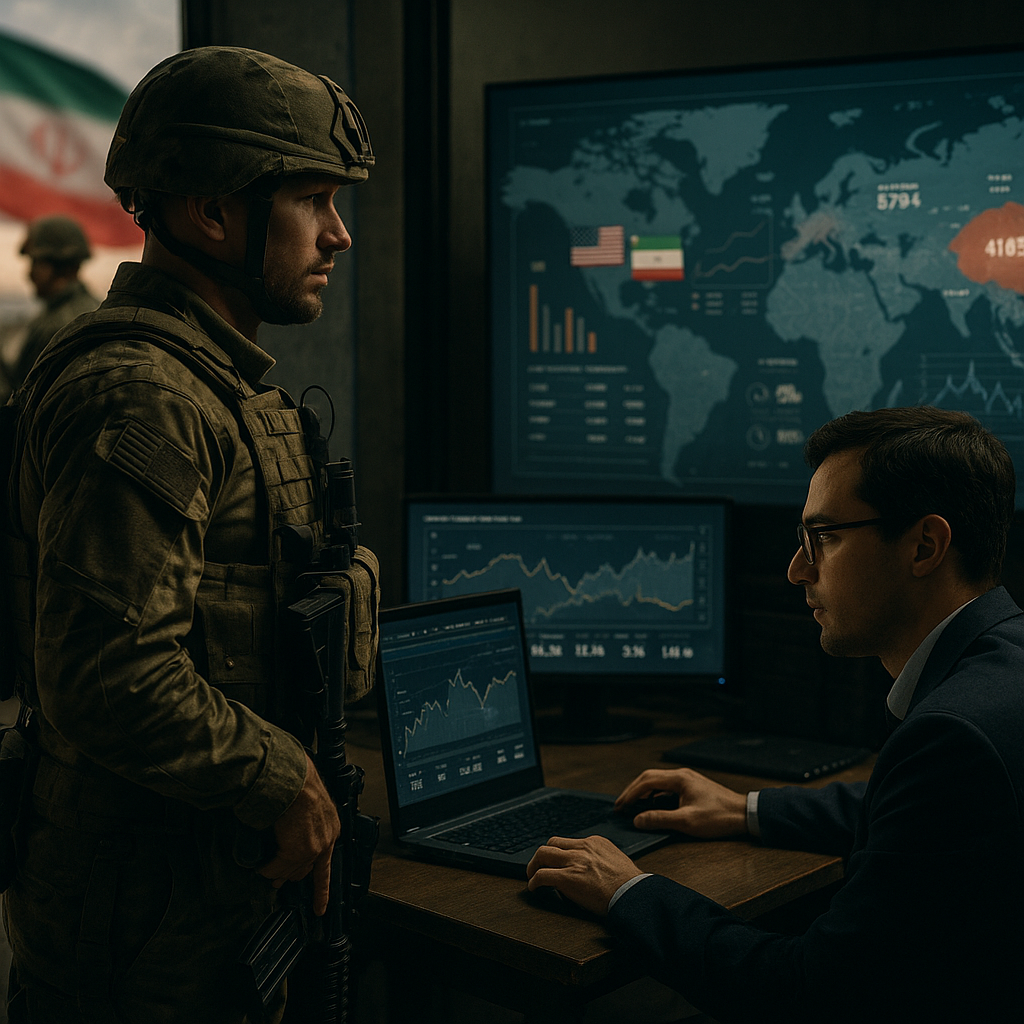
The relationship between the United States and Iran has been fraught with tension for decades, often characterized by periods of intense hostility and sporadic attempts at diplomacy. The conflict has its roots in the 1979 Iranian Revolution, which saw the overthrow of the US-backed Shah and the establishment of the Islamic Republic. Since then, the relationship has been marked by mutual distrust, with significant events such as the Iran-Iraq War, the US Embassy hostage crisis, and various sanctions shaping the geopolitical landscape.
Escalation and Military Engagements: 2024-2026
As of 2026, the US-Iran conflict has seen several military engagements, with both nations bolstering their military capabilities. According to a report by Reuters in 2025, the US increased its military presence in the Persian Gulf, deploying an additional aircraft carrier and several fighter jets. This move was in response to Iran's testing of long-range missiles capable of reaching targets over 2,000 kilometers away, a development confirmed by the Iranian government.
In 2024, there were reports of skirmishes in the Strait of Hormuz, a strategic chokepoint for global oil shipments. The US Department of Defense reported that Iranian forces had seized two oil tankers, leading to a brief confrontation with US naval forces. These incidents underscore the volatile nature of the region and the ongoing strategic importance of the Strait.
Economic Impact and Sanctions
The economic ramifications of the US-Iran conflict are profound, affecting not only the two nations but also the global economy. As of 2025, the International Monetary Fund (IMF) noted a 15% decline in Iran's GDP, largely attributed to US-led sanctions targeting the oil sector, which accounts for approximately 80% of Iran's export revenues. These sanctions have severely restricted Iran's ability to sell oil on the international market, leading to significant economic strain.
In response, Iran has sought to diversify its economy, focusing on non-oil industries such as agriculture and technology. Government data from 2026 indicates a 10% increase in agricultural exports, reflecting efforts to mitigate the impact of sanctions.
Diplomatic Efforts and International Response
Despite the ongoing conflict, diplomatic efforts have continued in an attempt to de-escalate tensions. In 2025, the European Union facilitated talks between US and Iranian officials in Vienna, aiming to revive the Joint Comprehensive Plan of Action (JCPOA), commonly known as the Iran nuclear deal. While these talks have faced numerous challenges, they represent a significant effort by the international community to stabilize the region.
Moreover, as of 2026, several countries, including China and Russia, have expressed support for Iran, providing economic and military assistance. This geopolitical alignment has further complicated the dynamics of the conflict, with the US and its allies viewing these actions as undermining efforts for peace.
Humanitarian Concerns
The ongoing conflict has also led to significant humanitarian concerns. According to the United Nations High Commissioner for Refugees (UNHCR), as of 2025, there are over 1 million internally displaced persons within Iran, largely due to economic hardships and regional instability. The UN has called for increased international aid to support these individuals, highlighting the need for a comprehensive approach to address the humanitarian fallout of the conflict.
- 1 million internally displaced persons in Iran due to economic hardships (UNHCR, 2025).
- 15% decline in Iran's GDP due to sanctions (IMF, 2025).
- Increased military presence in the Persian Gulf by the US (Reuters, 2025).
- Efforts to revive the JCPOA in Vienna (EU, 2025).
- 10% increase in Iranian agricultural exports (Government data, 2026).
The US-Iran conflict continues to evolve, with diplomatic, economic, and military dimensions shaping its trajectory. As of 2026, the situation remains complex, requiring nuanced approaches to navigate the challenges and opportunities for peace.
Sources: Reuters, Government releases, publicly available data.
Comments
Post a Comment