Mumbai: A City of Growth and Challenges
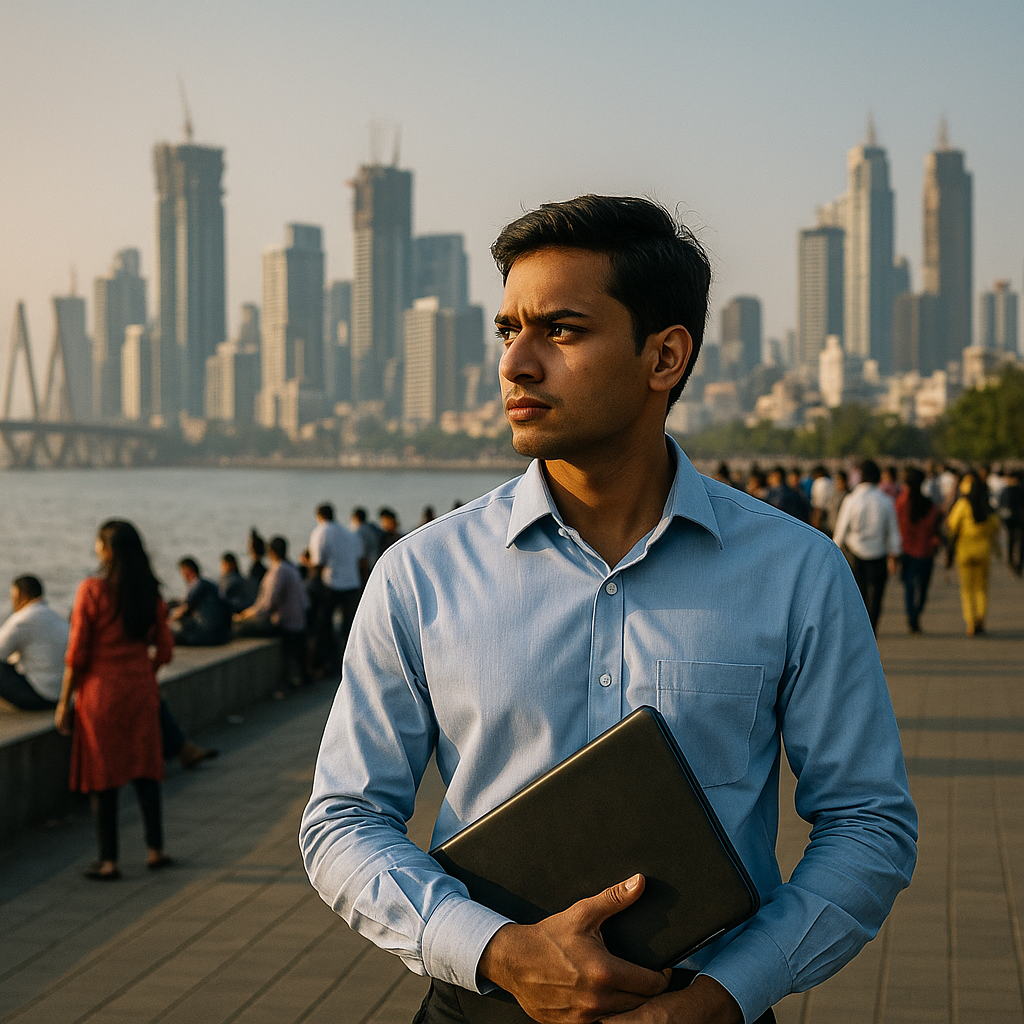
As of 2026, Mumbai, India's financial capital, stands as a bustling metropolis with a population exceeding 21 million people, according to the United Nations. The city's growth trajectory is a testament to its economic and cultural significance, drawing people from across the country and the world.
Economic Powerhouse
Mumbai is often referred to as the economic engine of India. The city contributes approximately 6% of India's GDP, as reported by the Ministry of Finance in 2025. The financial sector in Mumbai, which includes the Bombay Stock Exchange (BSE) and the Reserve Bank of India, plays a pivotal role in the nation's economy.
In 2024, the BSE reported a market capitalization of over USD 3.5 trillion, making it one of the largest stock exchanges in the world. This financial prowess is complemented by a diverse economy that includes industries such as textiles, petrochemicals, and information technology.
Infrastructure Developments
To accommodate its growing population and economic activities, Mumbai has embarked on several infrastructure projects. The Mumbai Metro expansion is a significant step towards improving urban mobility. As of 2026, the metro network spans over 200 kilometers, serving millions of commuters daily, according to the Mumbai Metropolitan Region Development Authority (MMRDA).
Additionally, the Coastal Road Project, expected to be completed by 2026, aims to reduce traffic congestion along the western coast of the city. This project is part of a broader initiative to enhance the city's infrastructure, which also includes the expansion of the Chhatrapati Shivaji Maharaj International Airport to handle more than 60 million passengers annually by 2025.
Social and Cultural Fabric
Mumbai's cultural landscape is as diverse as its population. The city is home to Bollywood, the world's largest film industry in terms of production numbers, which produced over 1,800 films in 2024, according to the Indian Motion Picture Producers' Association. This vibrant industry not only contributes to the economy but also shapes the cultural narratives of the nation.
The city also hosts numerous cultural festivals such as the Ganesh Chaturthi, which attracts millions of devotees each year. The festival's scale and organization highlight the city's ability to manage large crowds and ensure public safety.
Environmental Concerns
Despite its economic and cultural achievements, Mumbai faces significant environmental challenges. The city's coastline is highly vulnerable to rising sea levels. According to a 2025 report by the Intergovernmental Panel on Climate Change (IPCC), Mumbai could experience a sea-level rise of up to 0.5 meters by 2050, threatening low-lying areas.
Efforts are underway to address these issues. The Brihanmumbai Municipal Corporation (BMC) has initiated several projects aimed at improving the city's resilience to climate change, including the construction of sea walls and the development of green spaces.
Key Statistics
- Population: Over 21 million (2026)
- GDP Contribution: 6% of India's GDP (2025)
- BSE Market Capitalization: USD 3.5 trillion (2024)
- Metro Network: 200 kilometers (2026)
- Film Production: Over 1,800 films (2024)
Conclusion
Mumbai's journey is one of contrasts and opportunities. As the city continues to grow, it must balance its economic ambitions with environmental sustainability and social inclusivity. The decisions made today will shape the city's future, impacting millions of lives.
Sources: Reuters, Government releases, publicly available data.
Comments
Post a Comment