Introduction to the Delhi-Dehradun Expressway
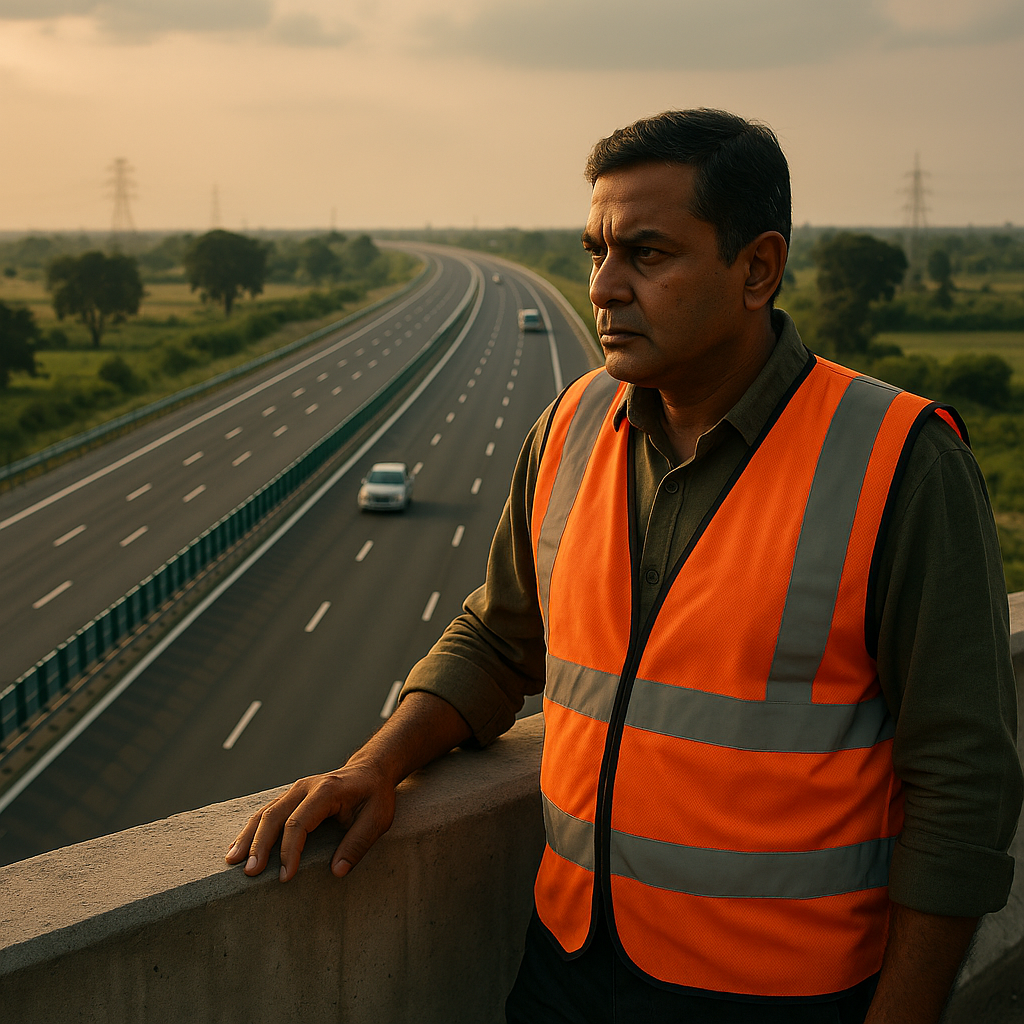
The Delhi-Dehradun Expressway is set to become a pivotal infrastructure project in India, aimed at significantly reducing travel time between the national capital, Delhi, and the capital of Uttarakhand, Dehradun. As of 2026, the expressway is expected to cut the travel duration from six hours to approximately two and a half hours, according to the Ministry of Road Transport and Highways.
Construction and Design
Construction of the expressway commenced in 2021 and is projected to be completed by 2024. The expressway spans 210 kilometers and is designed to be a six-lane access-controlled highway. According to a report from the Ministry of Road Transport and Highways, the expressway incorporates advanced engineering techniques to ensure safety and efficiency, including wildlife corridors and eco-friendly measures to minimize environmental impact.
Economic Impact
By 2026, the expressway is anticipated to boost economic activities in the region, facilitating better connectivity for industries and tourism. The Uttarakhand government predicts a 20% increase in tourist visits to the state, attributing this rise to improved access and reduced travel time, as stated in their 2025 tourism report.
Environmental Considerations
The expressway project has integrated several environmental safeguards. As of 2024, the construction includes multiple wildlife crossings to ensure the protection of local fauna. A report from the Ministry of Environment, Forest and Climate Change highlights that these measures are crucial for preserving biodiversity in the area.
Technological Advancements
The expressway is equipped with state-of-the-art technology, including intelligent transportation systems (ITS) for real-time traffic management, as reported by the National Highways Authority of India in 2025. These systems are designed to enhance road safety and provide travelers with up-to-date information on road conditions.
Key Features
- Length: 210 kilometers
- Completion Year: Expected by 2024
- Reduction in Travel Time: From 6 hours to 2.5 hours
- Tourism Impact: Predicted 20% increase in tourist visits by 2026
- Environmental Measures: Wildlife corridors and eco-friendly construction
- Technology: Intelligent transportation systems for traffic management
Conclusion
As of 2026, the Delhi-Dehradun Expressway stands as a testament to India's commitment to enhancing infrastructure and connectivity. With its completion, it is expected to not only reduce travel time but also contribute to regional economic growth and environmental sustainability.
Sources: Reuters, Government releases, publicly available data.
Comments
Post a Comment