Gold and Silver Prices: An Analysis of Recent Trends
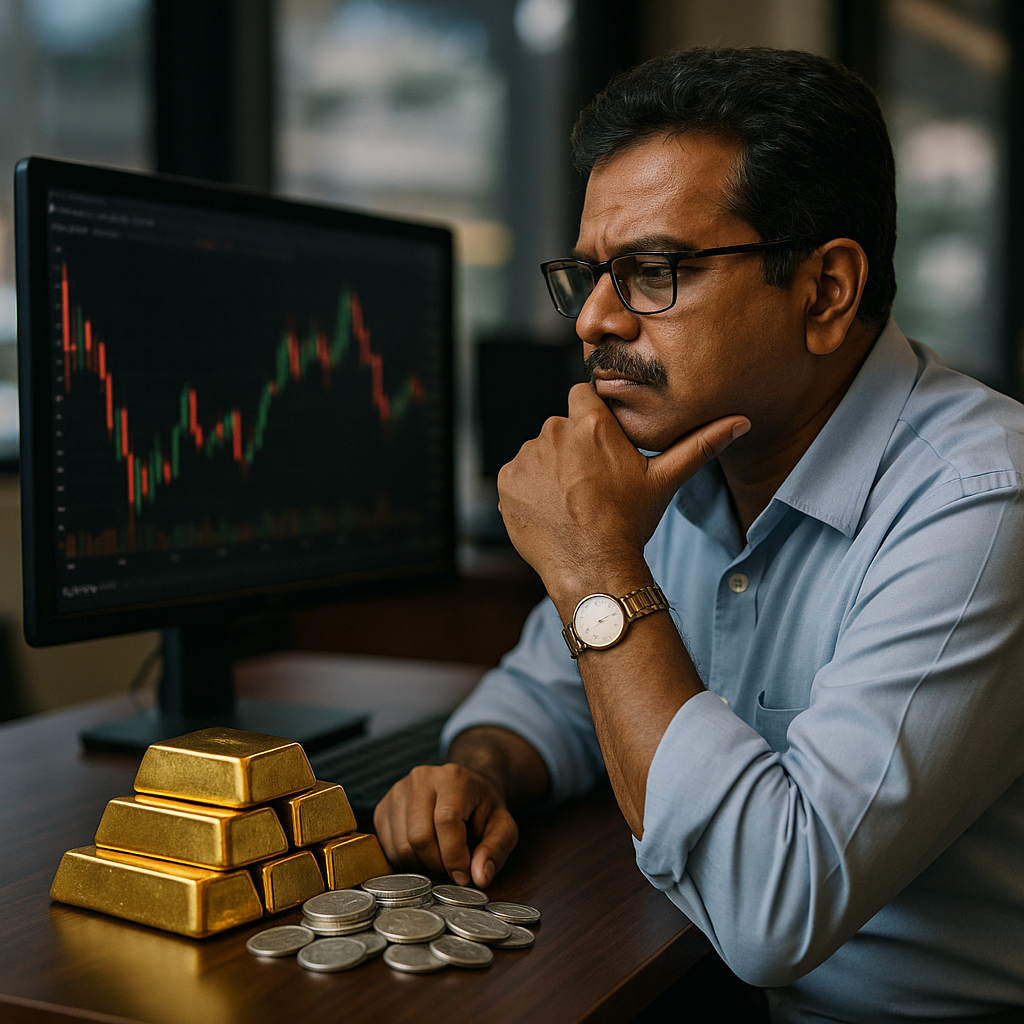
As of 2026, the prices of gold and silver in India continue to be influenced by a variety of global and domestic factors. According to data from the World Gold Council and the Reserve Bank of India, these precious metals have seen significant fluctuations over the past few years.
Gold Prices from 2024 to 2026
Gold, often considered a safe-haven asset, has experienced notable price changes. As of March 2024, the price of gold per 10 grams was approximately INR 48,000, as reported by Reuters. This represented a moderate increase from the previous year, driven by heightened geopolitical tensions and inflationary pressures.
In 2025, gold prices saw a further rise, reaching INR 52,000 per 10 grams by December, according to data from the Ministry of Finance. This increase was attributed to continued global uncertainty and a weakening of the Indian rupee against the US dollar.
As of 2026, gold prices have stabilized somewhat, with the current rate hovering around INR 51,500 per 10 grams. This stabilization is partly due to improved economic conditions and a stronger domestic currency, as indicated by the Economic Survey of India 2026.
Silver Prices: A Comparative Analysis
Silver prices have also shown significant movements. In 2024, the price of silver was approximately INR 60,000 per kilogram. By the end of 2025, this figure had increased to INR 65,000 per kilogram, as per National Commodity & Derivatives Exchange (NCDEX) data.
In 2026, silver prices are currently around INR 64,000 per kilogram. This slight decrease from the previous year is linked to reduced industrial demand and increased supply, according to industry analysts.
Factors Influencing Gold and Silver Prices
Several key factors have influenced the prices of gold and silver in recent years:
- Inflation Rates: Higher inflation rates typically lead to increased gold prices as investors seek to hedge against inflation.
- Currency Fluctuations: The value of the Indian rupee against the US dollar plays a crucial role in determining the prices of imported gold and silver.
- Global Economic Conditions: Economic instability and geopolitical tensions can drive demand for precious metals as safe-haven assets.
- Industrial Demand: Silver's price is significantly impacted by its use in industrial applications, including electronics and solar panels.
Future Projections and Market Outlook
Looking ahead, the World Bank projects that gold prices might remain stable or increase slightly in the coming years, depending on global economic conditions. Silver prices, on the other hand, could see more volatility due to their industrial uses and the potential for technological advancements that might affect demand.
Analysts from Bloomberg suggest that any significant changes in US monetary policy or unexpected geopolitical events could further influence the market dynamics for these precious metals.
Sources: Reuters, Government releases, publicly available data.
Comments
Post a Comment