Introduction to Ayushman Bharat
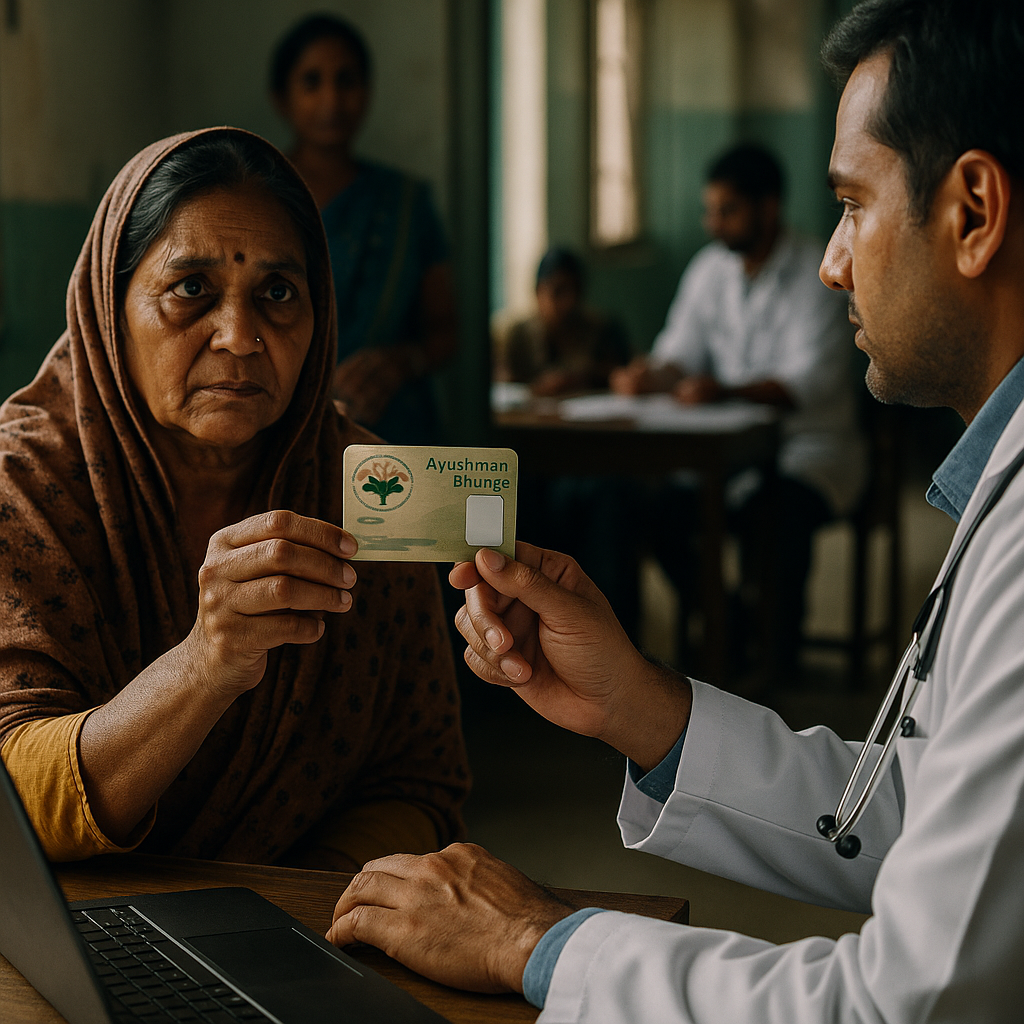
Ayushman Bharat, also known as the Pradhan Mantri Jan Arogya Yojana (PM-JAY), is one of the world's largest government-funded healthcare schemes. Launched in 2018 by the Government of India, it aims to provide health insurance coverage to over 100 million families, which translates to approximately 500 million individuals. As of 2026, PM-JAY continues to expand its reach and impact, offering significant benefits to the Indian population.
Key Features of Ayushman Bharat Card
The Ayushman Bharat Card serves as a gateway for beneficiaries to access healthcare services under PM-JAY. The card provides coverage for hospitalization expenses up to INR 5 lakh per family per year. This coverage includes pre and post-hospitalization expenses, making it comprehensive in nature.
As of 2026, the following features are central to the Ayushman Bharat Card:
- Cashless and paperless access to healthcare services.
- Coverage across public and empaneled private hospitals.
- Focus on secondary and tertiary healthcare services.
- Portability across India, allowing beneficiaries to avail services anywhere in the country.
Impact on Healthcare Access
According to data released by the Ministry of Health and Family Welfare in 2025, more than 200 million Ayushman Bharat Cards have been issued, significantly increasing access to healthcare services for India's low-income population. This initiative has led to a marked increase in hospital admissions among beneficiaries, with over 50 million treatments carried out under PM-JAY by 2026.
A study published in the Indian Journal of Public Health in 2024 highlighted that hospital admissions among PM-JAY beneficiaries rose by 23% compared to non-beneficiaries. This indicates that the scheme is effectively reducing financial barriers to healthcare access.
Challenges and Areas for Improvement
Despite its success, Ayushman Bharat faces several challenges. As of 2026, reports from Reuters indicate that some beneficiaries still encounter difficulties in accessing services due to lack of awareness and issues with hospital empanelment. The government is actively working to address these challenges by enhancing outreach programs and streamlining the empanelment process.
Additionally, there is a need to improve the quality of care provided under the scheme. A report by the National Health Authority in 2025 noted disparities in service quality between public and private hospitals, urging for standardized protocols across all empaneled facilities.
Future Prospects
The Indian government has ambitious plans to expand the reach and effectiveness of Ayushman Bharat. As of 2026, initiatives are underway to integrate digital health solutions, such as telemedicine, to further enhance healthcare access, especially in remote areas. The government aims to increase the number of empaneled hospitals and improve service delivery through technology-driven solutions.
Moreover, the focus is on increasing awareness among eligible families to ensure maximum utilization of the scheme's benefits. The government plans to collaborate with non-governmental organizations (NGOs) and community health workers to achieve this goal.
Conclusion
Ayushman Bharat Card represents a significant step forward in India's quest to provide universal healthcare coverage. While challenges remain, the ongoing efforts to improve and expand the scheme promise a brighter future for healthcare access in India. As the program continues to evolve, it holds the potential to transform healthcare delivery and reduce the financial burden on millions of families across the nation.
Sources: Reuters, Government releases, publicly available data.
Comments
Post a Comment