Introduction to the Scheme
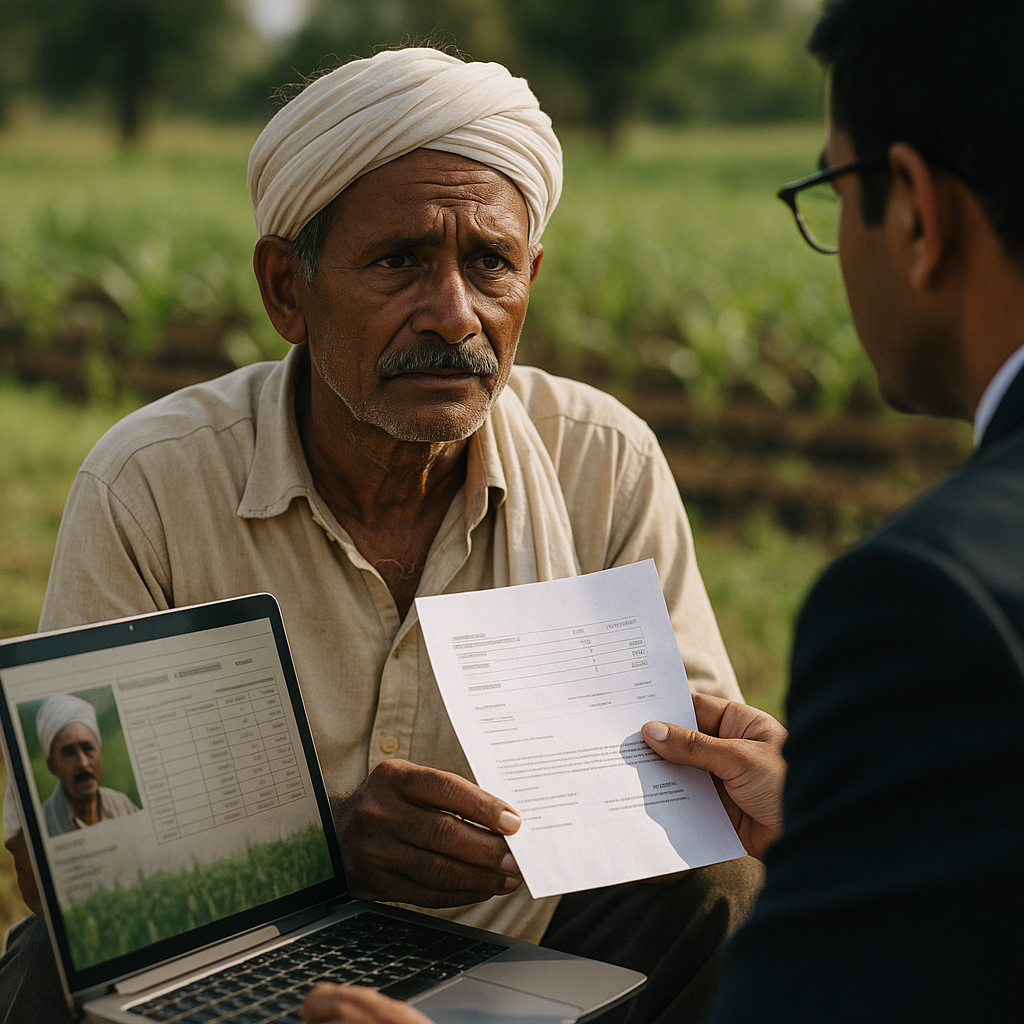
As of 2026, the प्रधानमंत्री किसान सम्मान निधि (PM-KISAN) scheme continues to be a cornerstone of India's agricultural policy, providing direct income support to farmers across the nation. Launched in December 2018, the initiative aims to supplement the financial needs of small and marginal farmers by offering them a fixed income support of ₹6,000 per year, distributed in three equal installments.
Impact and Reach
The scheme has significantly expanded since its inception, reaching millions of beneficiaries. According to data from the Ministry of Agriculture and Farmers Welfare, as of 2024, the PM-KISAN scheme had disbursed over ₹1.8 lakh crore to more than 11 crore farmers. By 2026, this number is projected to increase, reflecting the government's commitment to supporting the agricultural sector.
Furthermore, the scheme's impact is evident in its widespread reach across various states. For instance, Uttar Pradesh, the most populous state in India, has seen over 2 crore farmers benefit from the scheme as of 2025, making it one of the largest beneficiaries. Similarly, states like Maharashtra and Madhya Pradesh have reported significant numbers of beneficiaries, contributing to the scheme's national impact.
Key Features
The PM-KISAN scheme is designed to provide financial security to farmers, enabling them to invest in agricultural inputs and sustain their livelihood. Key features of the scheme include:
- Direct Benefit Transfer: The scheme ensures that funds are directly transferred to the bank accounts of eligible farmers, minimizing bureaucratic delays.
- Universal Coverage: Initially aimed at small and marginal farmers, the scheme was later expanded to include all farmers, irrespective of landholding size.
- Regular Installments: Farmers receive ₹2,000 every four months, ensuring a steady flow of income.
- Transparency: The use of digital platforms for registration and fund transfer enhances transparency and reduces the scope for corruption.
Challenges and Criticisms
Despite its widespread acclaim, the PM-KISAN scheme faces several challenges. As of 2026, reports indicate that some farmers are yet to receive their due installments due to issues like incorrect documentation and bank account discrepancies. The government has been actively working to resolve these issues by streamlining the registration process and improving data accuracy.
Additionally, critics argue that the financial support provided by the scheme may not be sufficient to meet the rising costs of agricultural inputs. As per a report by the Reserve Bank of India in 2025, inflation in agricultural commodities has increased, necessitating a review of the scheme's financial provisions.
Future Prospects
Looking ahead, the government has expressed its intention to enhance the PM-KISAN scheme further. As part of its 2026 budget, there are discussions about increasing the annual financial support to ₹8,000 per farmer to better align with the current economic environment. This proposed change underscores the government's ongoing commitment to the agricultural sector and its recognition of the scheme's role in rural development.
Moreover, the integration of technology in the scheme's implementation is expected to improve efficiency and transparency. The use of blockchain technology and artificial intelligence for monitoring and evaluation is being explored to ensure timely delivery of benefits.
Sources: Reuters, Government releases, publicly available data.
Comments
Post a Comment