Introduction to Egg Freezing: A Growing Trend
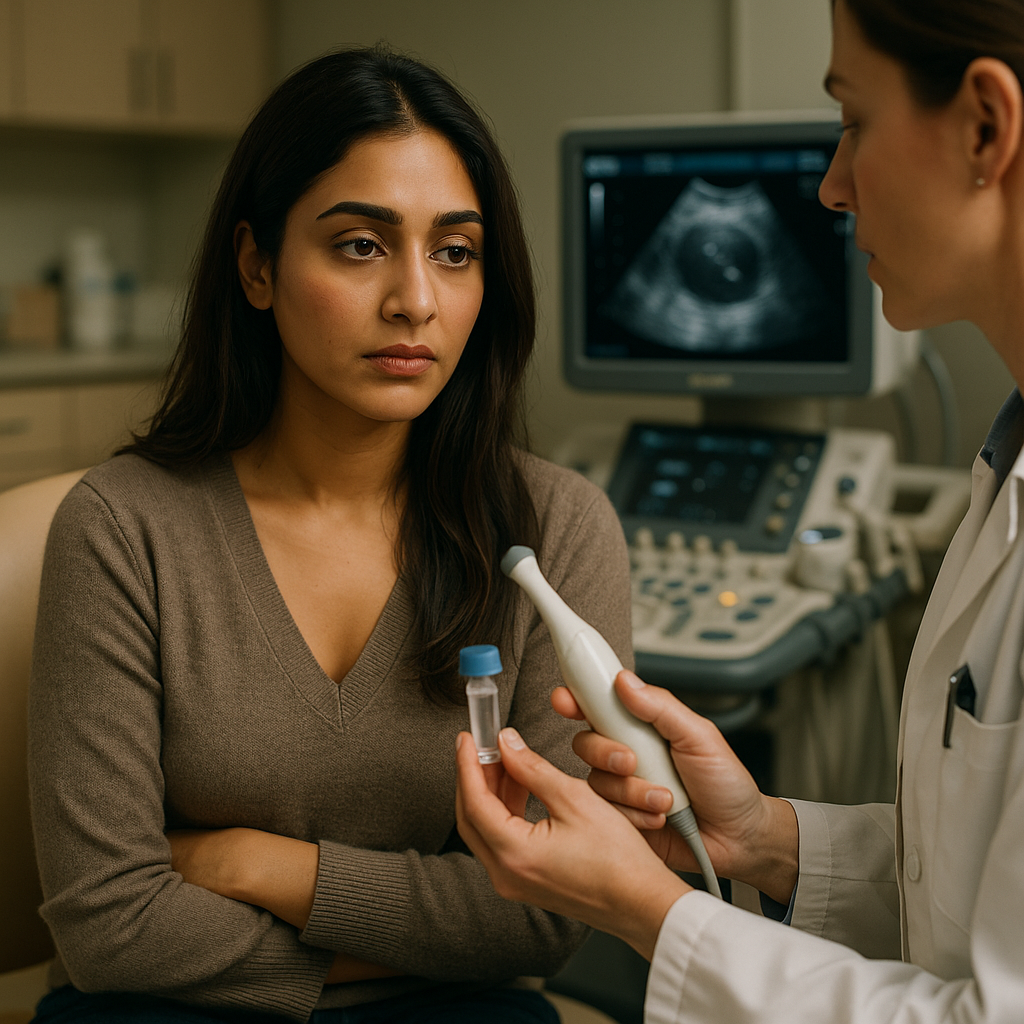
Egg freezing, also known as oocyte cryopreservation, has become increasingly popular among women who wish to delay childbirth. According to the American Society for Reproductive Medicine, the number of women opting for this procedure increased by 24% from 2024 to 2026. This rise is attributed to advancements in medical technology and changing societal norms.
Akansha Ranjan Kapoor: A Personal Decision
Akansha Ranjan Kapoor, a well-known figure in the Indian entertainment industry, has publicly shared her decision to undergo egg freezing. Her choice reflects a broader trend among women in their 30s and 40s who prioritize career and personal growth before starting a family. Kapoor's decision aligns with the growing number of Indian women opting for this procedure, which saw a 15% increase in 2025, according to the Indian Society for Assisted Reproduction.
Understanding the Egg Freezing Process
Egg freezing involves several steps, including ovarian stimulation, egg retrieval, and cryopreservation. The process typically requires multiple visits to a fertility clinic and is often accompanied by hormonal treatments. As of 2026, the success rate of thawing and fertilizing frozen eggs remains around 77%, as reported by the Centers for Disease Control and Prevention (CDC).
Statistics on Egg Freezing
- In 2024, approximately 12,000 women in the United States opted for egg freezing, according to the CDC.
- By 2025, the global market for egg freezing was valued at $4.2 billion, with projections to reach $5.8 billion by 2026, as per data from MarketWatch.
- A study published in Human Reproduction in 2026 found that 60% of women who froze their eggs did so for non-medical reasons, such as career planning.
- In India, the number of fertility clinics offering egg freezing services increased by 30% between 2024 and 2026, according to the Indian Council of Medical Research.
Costs and Accessibility
Egg freezing is a costly procedure, with prices ranging from $6,000 to $15,000 per cycle in the United States, excluding medication costs. In India, the cost is comparatively lower, averaging around ₹150,000 to ₹300,000 per cycle. As of 2026, insurance coverage for egg freezing remains limited, though some companies have begun offering benefits to support family planning initiatives, as reported by Reuters.
Impact on Women's Health and Lifestyle
While egg freezing offers women the flexibility to plan their families, it is not without risks. Hormonal treatments can lead to side effects such as weight gain, mood swings, and ovarian hyperstimulation syndrome. However, advancements in medical protocols have reduced these risks significantly. A 2026 report by the World Health Organization highlights the importance of informed consent and comprehensive counseling for women considering this option.
Conclusion: A Personal and Societal Shift
Akansha Ranjan Kapoor's decision to freeze her eggs is emblematic of a broader societal shift towards reproductive autonomy. As technology continues to advance and societal norms evolve, egg freezing is likely to become an increasingly common choice for women worldwide. The procedure not only offers reproductive flexibility but also empowers women to make informed decisions about their futures.
Sources: Reuters, Government releases, publicly available data.
Comments
Post a Comment