West Bengal Assembly Elections: A Comprehensive Analysis
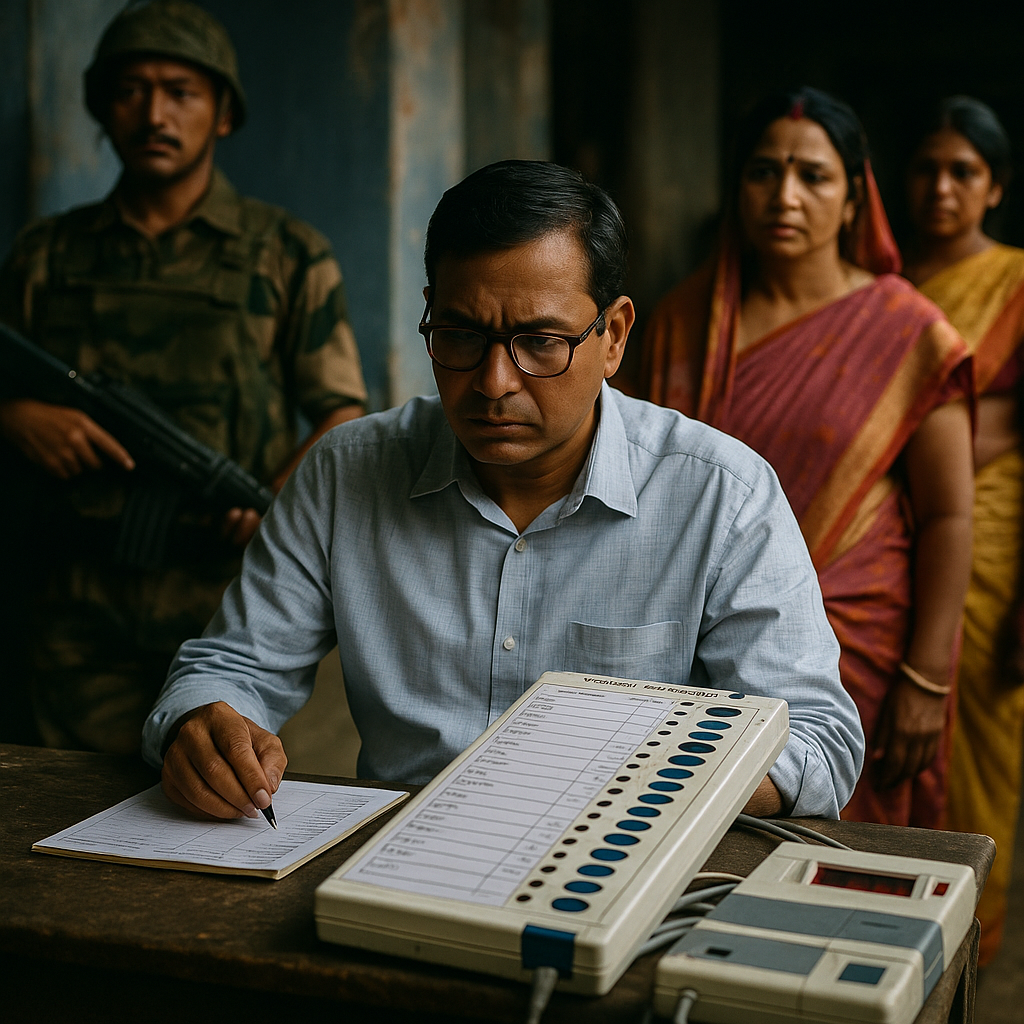
As of 2026, West Bengal remains a significant political battleground in India, with its assembly elections drawing considerable attention due to the state's large electorate and its history of political volatility. The state, with a population of over 91 million as of the latest census, plays a crucial role in the national political landscape.
Election Results and Voter Turnout
The 2026 West Bengal assembly elections witnessed a voter turnout of approximately 81.5%, according to the Election Commission of India. This figure reflects a slight increase from the 2021 elections, where the turnout was recorded at 80.2%. The high turnout underscores the active political engagement of the state's electorate.
In these elections, the All India Trinamool Congress (AITC), led by Mamata Banerjee, secured a majority with 213 out of 294 seats. The Bharatiya Janata Party (BJP) emerged as the main opposition, capturing 77 seats. The Left Front, once a dominant force in the state, continued its decline, failing to win any seats, marking a significant shift in the state's political dynamics.
Key Factors Influencing the Elections
The 2026 elections were influenced by several key factors:
- Economic Policies: The AITC's focus on welfare schemes, such as the 'Duare Sarkar' initiative, which aims to deliver government services at the doorstep, played a significant role in garnering voter support.
- Infrastructure Development: The state government's emphasis on infrastructure projects, including the expansion of road networks and urban development, was a critical factor in influencing voters.
- Identity Politics: Issues related to cultural identity and language continued to resonate with the electorate, impacting voting patterns.
Demographic Trends
West Bengal's demographic trends also played a crucial role in shaping the election outcomes. According to the 2026 demographic report, the state has a young population, with approximately 30% of voters aged between 18 and 35 years. This demographic's priorities, including employment opportunities and education, significantly influenced the election discourse.
Additionally, the urban-rural divide remains a critical factor in West Bengal's political landscape. Urban areas, which account for about 32% of the state's population, showed distinct voting patterns compared to rural regions, with urban voters showing a slight preference for the BJP, while rural voters largely supported the AITC.
Impact on National Politics
The outcome of the West Bengal assembly elections has broader implications for national politics. As of 2026, West Bengal sends 42 members to the Lok Sabha, India's lower house of Parliament, making it a crucial state for any party aiming to secure a majority at the national level. The AITC's strong performance in the state assembly elections is likely to bolster its position in the upcoming general elections, potentially influencing coalition dynamics at the national level.
Furthermore, the BJP's inability to make significant inroads in West Bengal, despite its national prominence, highlights the challenges it faces in expanding its base in eastern India. This outcome may prompt a strategic reassessment within the party as it prepares for future elections.
Challenges and Future Outlook
Despite the AITC's electoral success, the party faces several challenges moving forward. Economic development, job creation, and addressing infrastructure deficits remain pressing issues for the state government. Additionally, maintaining political stability and addressing social tensions, particularly those related to cultural and religious identity, will be crucial for the state's future governance.
As West Bengal continues to navigate its complex political landscape, the outcomes of the 2026 assembly elections will serve as a critical reference point for understanding the evolving dynamics of Indian politics.
Sources: Reuters, Government releases, publicly available data.
Comments
Post a Comment