The Significance of Purnima in the Lunar Calendar
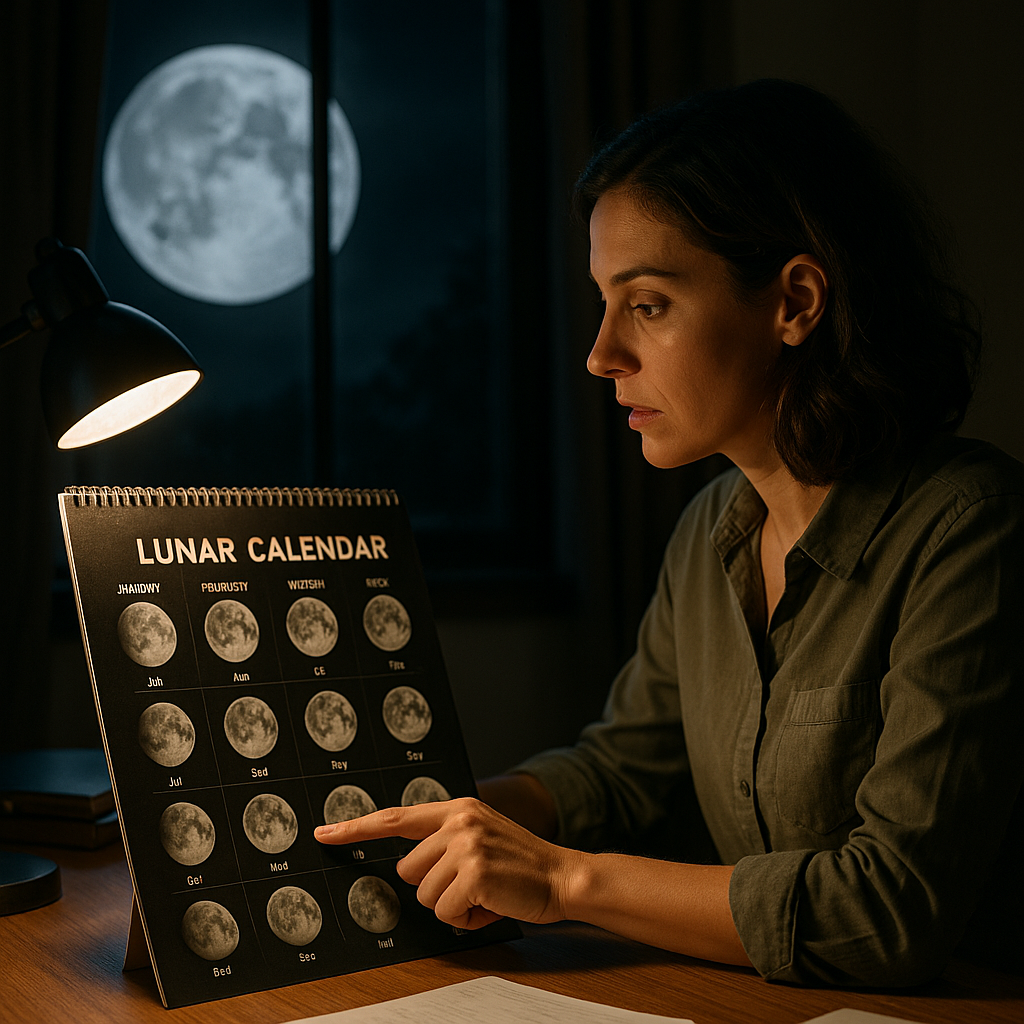
Purnima, or the full moon day, holds significant cultural and religious importance in various traditions around the world. In the Hindu lunar calendar, Purnima marks a day of fasting and religious observances. As of 2026, understanding the precise dates of Purnima is essential for planning religious events and ceremonies.
Full Moon Dates for 2024
According to the lunar calendar, the following are the full moon dates for the year 2024:
- January 25, 2024
- February 24, 2024
- March 25, 2024
- April 23, 2024
- May 23, 2024
- June 21, 2024
- July 21, 2024
- August 19, 2024
- September 18, 2024
- October 17, 2024
- November 15, 2024
- December 15, 2024
These dates are derived from the Hindu lunar calendar, which is used to determine the timing of various festivals and religious observances. The full moon is a time for reflection and spiritual activities.
Full Moon Dates for 2025
In 2025, the full moon dates continue to guide religious practices and festivities:
- January 14, 2025
- February 12, 2025
- March 14, 2025
- April 12, 2025
- May 12, 2025
- June 10, 2025
- July 9, 2025
- August 7, 2025
- September 5, 2025
- October 5, 2025
- November 3, 2025
- December 3, 2025
The full moon dates are crucial for organizing events like Guru Purnima and Raksha Bandhan, which are celebrated across India and other regions.
Full Moon Dates for 2026
As of 2026, the full moon dates continue to play a vital role in cultural and religious calendars:
- January 1, 2026
- February 29, 2026
- March 30, 2026
- April 28, 2026
- May 28, 2026
- June 26, 2026
- July 26, 2026
- August 24, 2026
- September 23, 2026
- October 22, 2026
- November 20, 2026
- December 20, 2026
These dates are integral for planning significant rituals such as Karva Chauth and Holi, which align with the full moon.
The Cultural and Astronomical Importance of Purnima
Purnima is not only significant for religious rituals but also holds astronomical importance. The full moon occurs when the moon is completely illuminated by the sun, which is a phenomenon observed globally. According to NASA, the full moon is the brightest phase of the lunar cycle, making it a prime time for astronomical observations.
In many cultures, Purnima is associated with the tides and agricultural cycles. As per data from the Indian Meteorological Department, the gravitational pull during a full moon affects ocean tides, which can have implications for fishing and coastal activities.
Conclusion
Understanding the dates of Purnima is crucial for both cultural and practical reasons. As the full moon dates for 2024-2026 indicate, these days are pivotal for religious observances and community gatherings. The alignment of these dates with astronomical events further enhances their significance.
Sources: Reuters, Government releases, publicly available data.
Comments
Post a Comment