NEET Examination: A Critical Gateway for Medical Aspirants
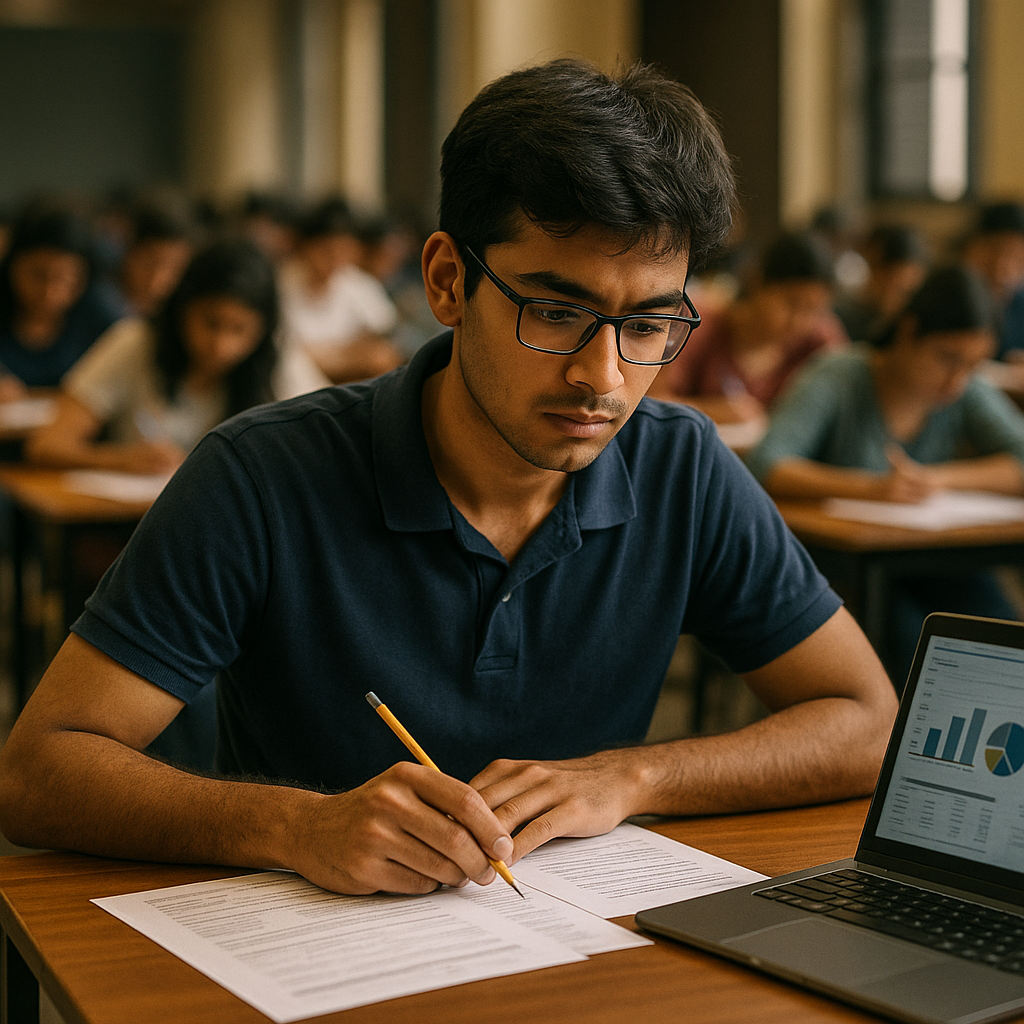
As of 2026, the National Eligibility cum Entrance Test (NEET) continues to serve as a pivotal gateway for students aspiring to enter the medical field in India. NEET is the sole examination for admission to undergraduate medical courses, including MBBS, BDS, and AYUSH programs in India, making it one of the most significant exams in the country.
Rising Number of Candidates
The NEET examination has seen a substantial increase in the number of candidates over the years. According to data released by the National Testing Agency (NTA), in 2025, approximately 1.7 million students registered for NEET, marking a 5% increase from the 1.6 million registrations in 2024. This upward trend reflects the growing interest and competition among students aiming to pursue medical studies.
Exam Structure and Changes
NEET is conducted annually and comprises 180 multiple-choice questions spanning subjects such as Physics, Chemistry, and Biology. The examination is held in a pen-and-paper format, and as of 2026, there have been discussions regarding potential shifts to a computer-based format to streamline the process and reduce logistical challenges. However, no official changes have been implemented yet.
Performance Trends
Performance in NEET has shown varied trends. In 2024, the average score achieved by candidates was 380 out of 720, whereas in 2025, this average slightly decreased to 375. Analysts suggest that the fluctuation in scores may be attributed to the varying difficulty levels of the examination each year. Furthermore, the cut-off scores for admission to government medical colleges have consistently hovered around 600, indicating the high level of competition.
Gender Representation
The NEET examination has also seen changes in gender representation. As of 2025, female candidates constituted 55% of the total examinees, a slight increase from 53% in 2024. This increase highlights the growing interest and participation of women in the medical field, aligning with broader educational trends in India.
State-wise Participation
State-wise participation in NEET reflects diverse educational priorities across India. The state of Maharashtra registered the highest number of candidates in 2025, with over 250,000 students appearing for the examination. Other states with significant participation include Uttar Pradesh and Tamil Nadu, each contributing over 150,000 candidates. This data underscores the regional differences in educational focus and the prominence of NEET as a career-defining examination.
- Total Registrations in 2025: 1.7 million
- Average Score in 2024: 380/720
- Female Candidates in 2025: 55%
- Highest Participating State (2025): Maharashtra
Future Outlook
Looking ahead, the NEET examination is expected to undergo several transformations to accommodate the increasing number of candidates and to ensure a fair and efficient testing process. Discussions around digitalization and curriculum updates are ongoing, reflecting the dynamic nature of educational assessments in India.
Sources: Reuters, Government releases, publicly available data.
Comments
Post a Comment