कर्ज माफी: A Closer Look at the Economic Implications
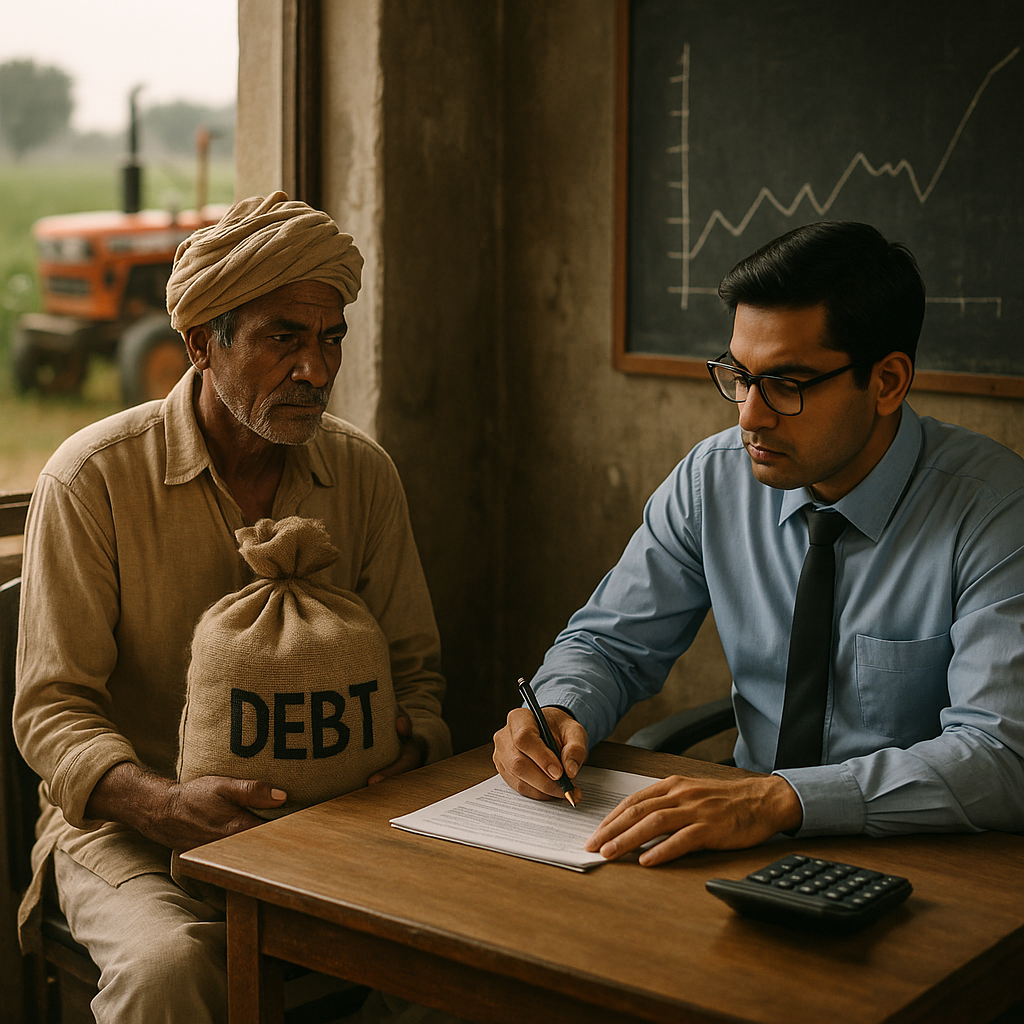
As of 2026, the concept of कर्ज माफी (loan waiver) remains a significant point of discussion in India's economic landscape. According to data from the Reserve Bank of India, approximately INR 2.72 trillion worth of loans have been waived off by various state governments since 2024. This figure highlights the substantial financial commitment involved in providing relief to farmers and other sectors affected by economic challenges.
Impact on State Economies
Loan waivers have been a common policy tool used by state governments to alleviate the financial burden on farmers. Maharashtra, one of the largest states in India, announced a loan waiver of INR 30,000 crore in 2024. As reported by Reuters, this initiative aimed to benefit over 3.1 million farmers struggling with debt. However, the economic ramifications of such measures are complex. A report by the State Bank of India in 2025 indicated that while loan waivers provide immediate relief, they also strain state finances, leading to potential cutbacks in other developmental expenditures.
National Implications
At the national level, loan waivers can influence fiscal policies and budget allocations. The Union Budget of 2025 allocated INR 75,000 crore for agricultural support, including loan waivers. This allocation reflects the government's commitment to supporting the agricultural sector, which employs nearly 50% of India's workforce, according to government data.
Challenges and Criticisms
Despite the intended benefits, loan waivers have faced criticism. Economists argue that such measures may not address the root causes of agricultural distress, such as inadequate infrastructure, climate change, and market access. A study published by the Indian Council for Research on International Economic Relations in 2026 highlighted that loan waivers could potentially discourage financial discipline among borrowers, leading to a cycle of dependency.
Recent Developments
- In 2025, Punjab announced a loan waiver scheme worth INR 18,000 crore, aiming to relieve 1.5 million farmers.
- Rajasthan followed suit with a INR 20,000 crore waiver in 2026, targeting small and marginal farmers.
- According to the Ministry of Agriculture, the cumulative effect of such waivers has impacted the credit growth rate in the agricultural sector, which slowed to 7.1% in 2025 from 9.3% in 2024.
Looking Ahead
As India moves forward, the debate over loan waivers continues to evolve. Policymakers are increasingly focusing on sustainable solutions that address the underlying issues affecting farmers. Initiatives such as improved irrigation systems, better access to markets, and investment in agricultural technology are being prioritized to enhance productivity and reduce the need for future waivers.
Sources: Reuters, Government releases, publicly available data.
Comments
Post a Comment