Ration Cards: A Vital Tool in India's Public Distribution System
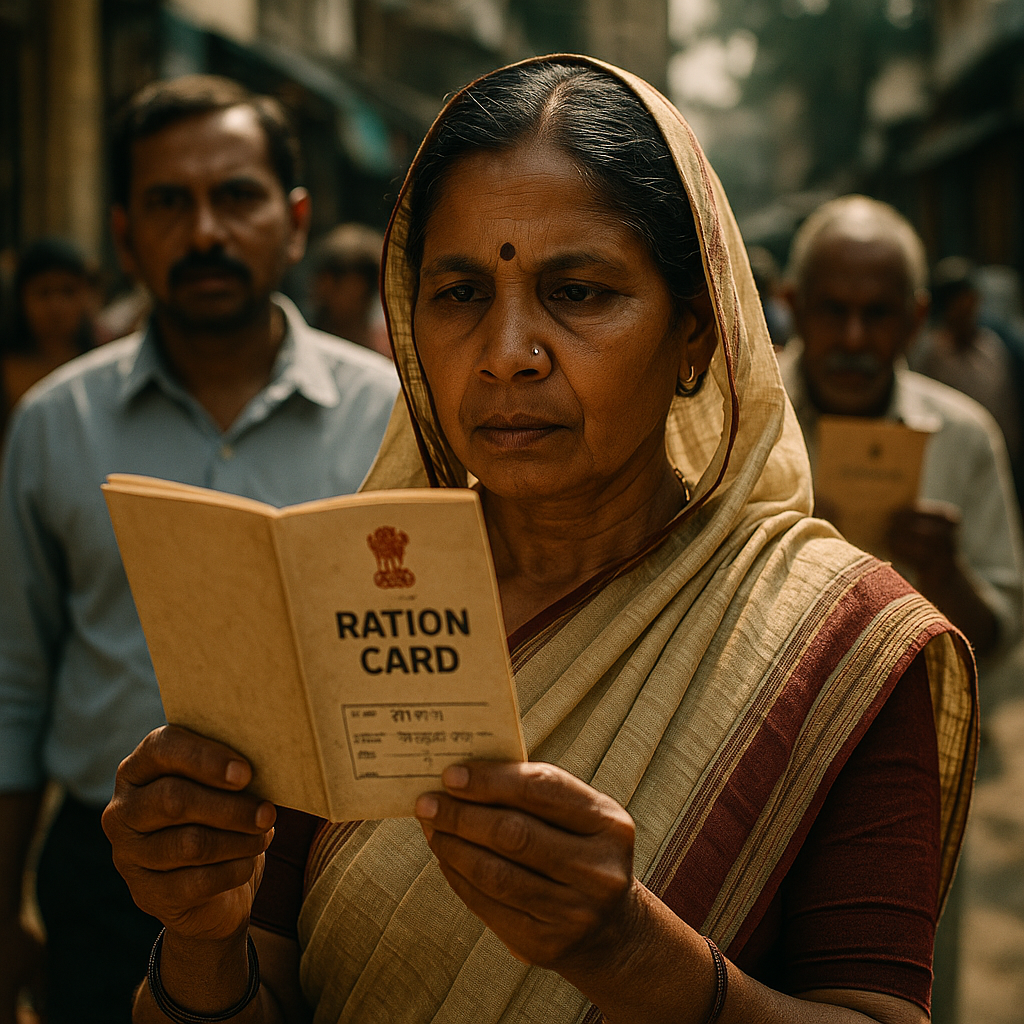
As of 2026, the Public Distribution System (PDS) in India continues to be a cornerstone in the country’s effort to ensure food security for its population. With over 800 million beneficiaries, the ration card system plays a critical role in distributing subsidized food grains to the economically disadvantaged sectors of society. According to the Ministry of Consumer Affairs, Food, and Public Distribution, around 75% of the rural population and 50% of the urban population are covered under the National Food Security Act, 2013.
Types of Ration Cards and Their Distribution
Ration cards in India are categorized primarily into three types: Antyodaya Anna Yojana (AAY) cards, Priority Household (PHH) cards, and Above Poverty Line (APL) cards. As per the 2025 data from the Ministry of Consumer Affairs, approximately 24 million families hold AAY cards, which are issued to the poorest of the poor, while about 230 million families possess PHH cards. APL cards, although less common, are still in circulation among families who fall above the poverty line.
The Role of Technology in Ration Distribution
Technology has significantly transformed the distribution of ration cards and food grains. The implementation of the 'One Nation One Ration Card' (ONORC) scheme, launched in 2019, allows beneficiaries to access their food grain entitlements from any Fair Price Shop (FPS) across the country. As of 2026, the ONORC scheme has been successfully implemented in 32 states and union territories, covering about 96% of the eligible population, according to a report by the Press Information Bureau.
Challenges Facing the Ration Card System
Despite its extensive reach, the ration card system faces several challenges. The Economic Survey of India 2024 reported that approximately 10% of the beneficiaries still experience exclusion errors, where eligible individuals are left out of the system. Moreover, there are challenges related to the quality of food grains distributed and the transparency of the distribution process.
Government Initiatives to Improve the System
The Indian government has initiated several measures to address these challenges. The introduction of electronic Point of Sale (ePoS) devices at Fair Price Shops aims to improve transparency and reduce pilferage. As of 2025, over 5 lakh ePoS devices have been installed nationwide, according to the Ministry of Consumer Affairs.
Statistics Highlighting the Ration Card System
- As of 2026, approximately 75% of rural and 50% of urban populations are covered under the National Food Security Act (Source: Ministry of Consumer Affairs).
- The 'One Nation One Ration Card' scheme covers about 96% of the eligible population (Source: Press Information Bureau).
- Over 5 lakh ePoS devices installed by 2025 to ensure transparency (Source: Ministry of Consumer Affairs).
- Around 10% exclusion errors reported in 2024 (Source: Economic Survey of India).
The ration card system remains a crucial element of India's strategy to combat hunger and ensure food security. Continuous improvements and technological advancements are vital to overcoming existing challenges and enhancing the efficiency of the Public Distribution System.
Sources: Reuters, Government releases, publicly available data.
Comments
Post a Comment