The Delimitation Bill: A Legislative Overview
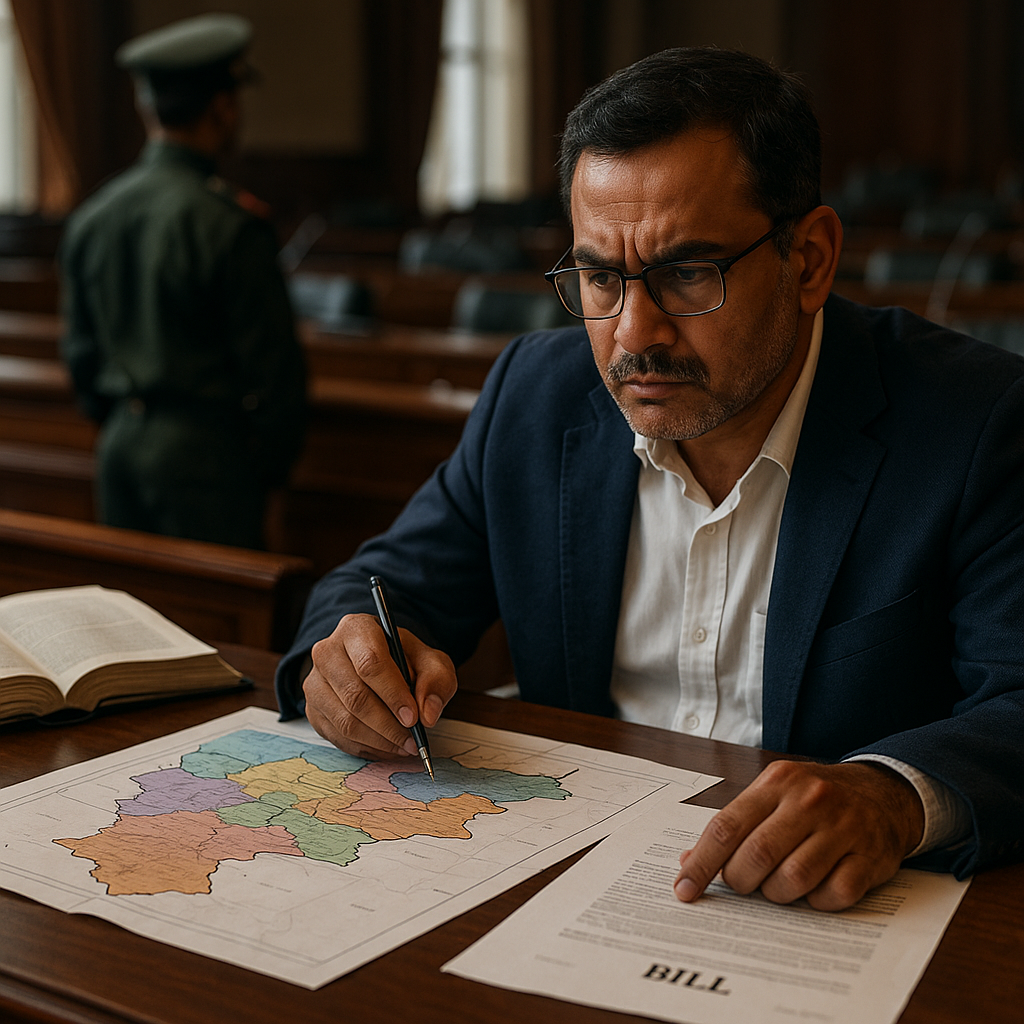
As of 2026, the Delimitation Bill has become a focal point in political discussions across the nation, aiming to redraw the boundaries of electoral constituencies based on the latest demographic data. This legislative initiative is grounded in the need for equitable representation in the democratic process.
Historical Context and Legislative Framework
The concept of delimitation is not new; it has been a part of the political landscape since the early years of independence. The Delimitation Commission, established under the Delimitation Act of 2002, is responsible for carrying out the delimitation exercise. The most recent delimitation was conducted in 2008, based on the 2001 census data. However, significant demographic changes have occurred since then, necessitating a fresh evaluation.
Demographic Shifts and Electoral Representation
According to the 2021 Census data, the population of India has increased by approximately 17.7% since the last delimitation exercise. This growth is uneven across regions, with urban areas experiencing a higher increase compared to rural areas. As of 2024, urban population constituted 34.9% of the total population, a significant rise from the previous census figures.
Key Provisions of the Delimitation Bill
The Delimitation Bill introduces several key provisions aimed at ensuring fair representation:
- Redrawing Constituency Boundaries: Adjusting the boundaries to reflect the current population distribution.
- Increasing the Number of Constituencies: Proposing an increase to accommodate the growing population.
- Ensuring Representation for Marginalized Groups: Special provisions to enhance representation for scheduled castes and tribes.
- Utilizing Technological Advances: Incorporating GIS and other technologies for accurate mapping.
Impact on Political Landscape
As of 2025, political analysts predict that the implementation of the Delimitation Bill could lead to a shift in the balance of power in several states. Regions with increased urbanization are likely to gain more representation, which could influence policy priorities and resource allocation. According to a report by Reuters, this could potentially alter the political dynamics in states like Uttar Pradesh and Maharashtra, which have seen substantial demographic changes.
Challenges and Controversies
The delimitation process is not without its challenges. Critics have raised concerns about the potential for gerrymandering, where boundaries are manipulated to favor certain political parties. Additionally, the logistical challenges of conducting a nationwide delimitation exercise are significant, requiring coordination across various government departments and agencies.
Future Prospects and Legislative Timeline
The government has set an ambitious timeline for the completion of the delimitation exercise by the end of 2026. This timeline is crucial for ensuring that the next general elections, scheduled for 2029, reflect the new constituency boundaries. The Election Commission of India is expected to play a pivotal role in overseeing the implementation of the changes proposed by the Delimitation Bill.
Sources: Reuters, Government releases, publicly available data.
Comments
Post a Comment