The Rise of Electric Vehicles in India
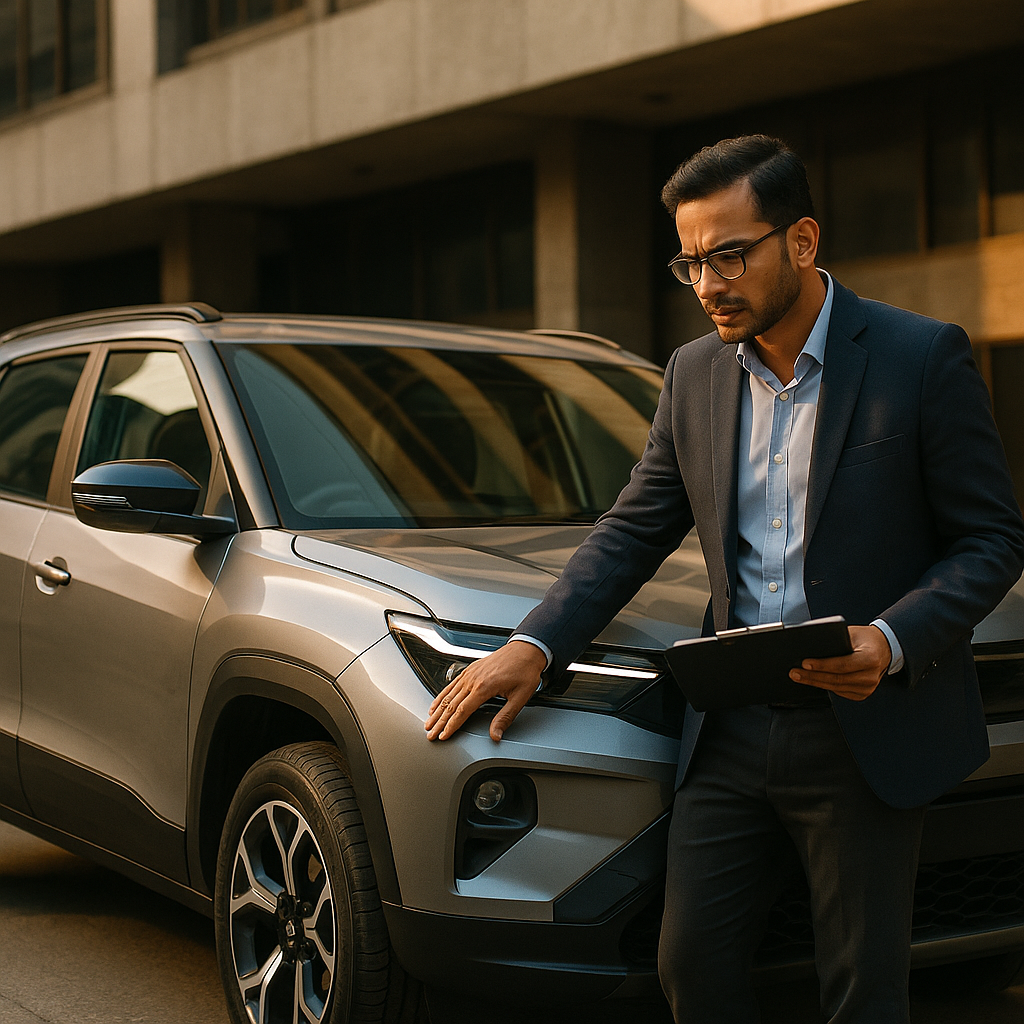
As of 2026, India has emerged as one of the fastest-growing markets for electric vehicles (EVs), with a projected growth rate of 44% annually, according to the International Energy Agency (IEA). This rapid expansion is driven by government incentives, increasing environmental awareness, and advancements in technology. Among the prominent players in this sector is Tata Motors, which has made significant strides with its Tata Sierra EV.
Introduction to Tata Sierra EV
Launched in 2024, the Tata Sierra EV represents Tata Motors' commitment to sustainable mobility solutions. The vehicle is part of Tata's broader strategy to capture a significant share of the EV market, which the company estimates will constitute 30% of its total sales by 2025. The Sierra EV is a modern reinterpretation of the classic Tata Sierra, a popular model from the 1990s, now equipped with cutting-edge electric technology.
Technical Specifications and Features
The Tata Sierra EV is powered by a 150 kW electric motor, offering a range of approximately 400 kilometers on a single charge, according to Tata Motors' official data. The vehicle supports fast charging, allowing it to charge up to 80% in just 60 minutes. These features make the Sierra EV a competitive option for consumers looking for efficiency and convenience.
Key features of the Tata Sierra EV include:
- Battery Capacity: 60 kWh lithium-ion battery
- Charging Time: Fast charging capability (80% in 60 minutes)
- Range: 400 kilometers per charge
- Motor Power: 150 kW
- Safety Features: Advanced driver-assistance systems (ADAS)
Market Performance and Consumer Reception
By 2025, Tata Motors reported that the Sierra EV had captured a 12% share of the electric SUV market in India, according to data released by the Society of Indian Automobile Manufacturers (SIAM). This market performance is attributed to the vehicle's competitive pricing, which is set between INR 20-25 lakhs, making it accessible to a broader range of consumers. Additionally, the Sierra EV's design, which pays homage to its predecessor while incorporating modern aesthetics, has been well-received by consumers.
Government Policies and Support
The Indian government's support for EVs has been pivotal in the growth of the sector. Under the Faster Adoption and Manufacturing of Hybrid and Electric Vehicles (FAME) scheme, the government has allocated INR 10,000 crores to promote EV adoption through subsidies and infrastructure development. As of 2026, these policies have significantly reduced the cost barriers for consumers, contributing to the Sierra EV's success.
Challenges and Future Prospects
Despite its success, the Tata Sierra EV faces challenges such as infrastructure development for charging stations and consumer concerns regarding battery life and performance. According to a report by BloombergNEF, the availability of charging infrastructure is expected to increase by 25% annually, which will likely alleviate some of these concerns.
Looking ahead, Tata Motors plans to expand its EV lineup and increase its production capacity to meet growing demand. By 2026, the company aims to introduce more models and enhance its technological offerings, positioning itself as a leader in India's EV market.
Sources: Reuters, Government releases, publicly available data.
Comments
Post a Comment