Understanding the Importance of ਮਜ਼ਦੂਰ ਦਿਵਸ
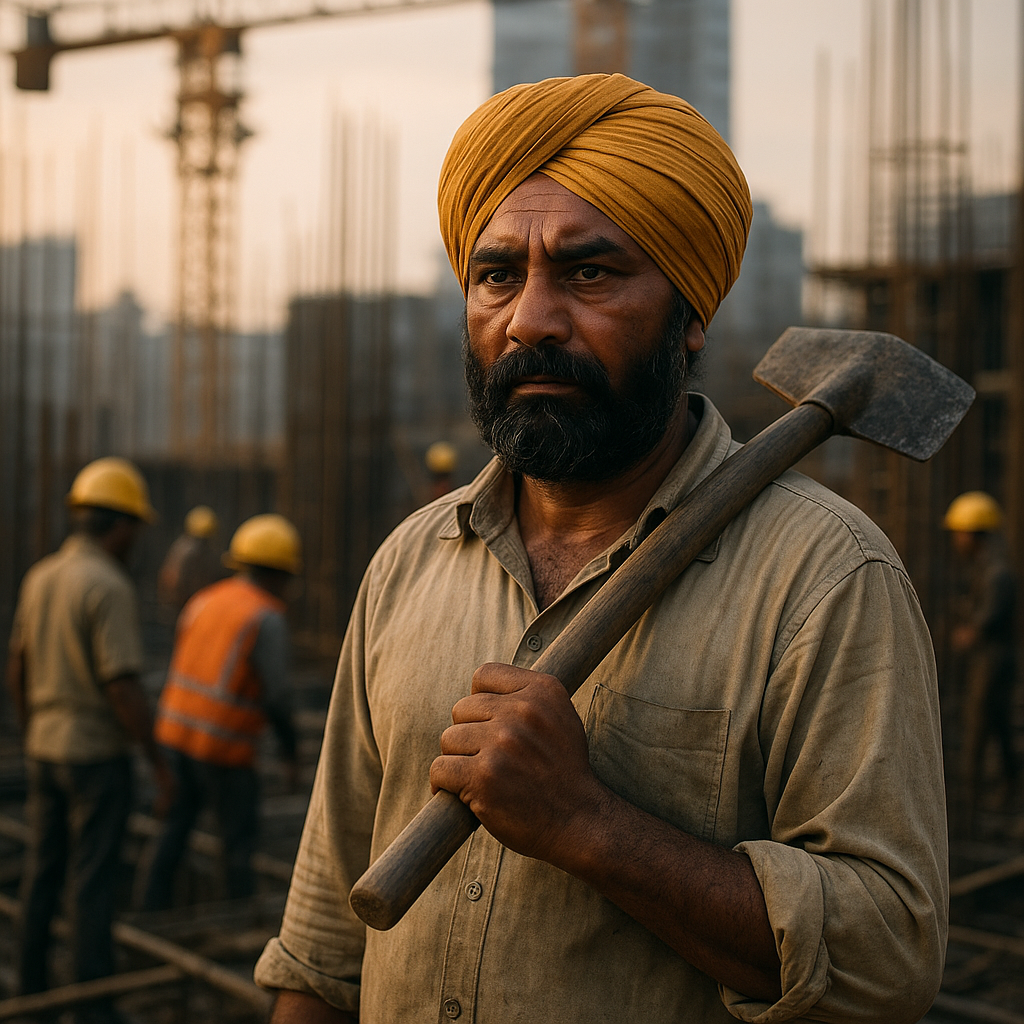
As of 2026, the global workforce comprises approximately 3.5 billion individuals, according to data from the International Labour Organization (ILO). ਮਜ਼ਦੂਰ ਦਿਵਸ, or International Workers' Day, is observed annually on May 1st to honor the contributions of workers worldwide. This day holds particular significance in regions with a large labor force, such as India, where over 500 million people are part of the workforce as reported by the Ministry of Labour and Employment in 2025.
The Historical Context
Originating in the late 19th century, ਮਜ਼ਦੂਰ ਦਿਵਸ commemorates the Haymarket affair in Chicago in 1886, a pivotal event in the labor movement. The day is now recognized in over 80 countries, including India, which adopted May Day as a public holiday in 1923. The observance underscores the ongoing struggle for fair labor practices and improved working conditions, themes that remain relevant today.
Current Labor Market Trends
In recent years, the global labor market has undergone significant transformations. As of 2024, the ILO reported a global unemployment rate of 5.7%, with youth unemployment remaining a pressing issue at 14.4%. In India, the unemployment rate stood at 6.8% in 2025, according to the Centre for Monitoring Indian Economy (CMIE). These statistics highlight the challenges faced by workers and the importance of advocating for their rights.
Key Issues Facing Workers Today
Despite progress in some areas, workers continue to face numerous challenges. These include:
- Wage Inequality: As of 2026, wage disparity remains a critical issue, with the top 10% of earners taking home 52% of global income, as per the World Inequality Report.
- Job Security: The rise of the gig economy has led to an increase in precarious employment, affecting job stability for millions of workers.
- Working Conditions: Reports from the ILO indicate that over 2 million workplace-related deaths occur annually, underscoring the need for improved safety standards.
Efforts to Improve Labor Conditions
Governments and organizations worldwide are taking steps to address these challenges. In 2025, the Indian government launched the National Employment Policy aimed at creating more job opportunities and enhancing skill development. Similarly, the European Union has implemented policies to ensure fair wages and better working conditions across member states.
The Role of Technology
Technology continues to reshape the labor market, offering both opportunities and challenges. Automation and artificial intelligence are expected to displace certain jobs but also create new ones. According to a 2026 report by McKinsey & Company, up to 25% of current jobs could be automated by 2030, emphasizing the need for workers to adapt through continuous learning and skill development.
The Future of ਮਜ਼ਦੂਰ ਦਿਵਸ
As the world of work evolves, the significance of ਮਜ਼ਦੂਰ ਦਿਵਸ remains steadfast. It serves as a reminder of the ongoing struggle for workers' rights and the necessity for collective action to address the challenges faced by the global workforce. With continued advocacy and policy reforms, there is hope for a more equitable and inclusive labor market in the coming years.
Sources: Reuters, Government releases, publicly available data.
Comments
Post a Comment